The Hidden Potential in Every Container
In every refrigerator across America, untapped culinary potential awaits discovery. Those containers holding yesterday’s dinners aren’t merely leftovers—they’re culinary opportunities in waiting. This guide explores practical methods for transforming ordinary leftovers into extraordinary second meals, turning what many consider an obligatory reheat into a creative kitchen adventure.
The Mindset Shift: From Leftover to “Second-Serve”
Redefining Our Vocabulary
The term “leftover” carries negative connotations, suggesting something secondary or diminished. Instead, consider these alternative perspectives:
-
Pre-prepped ingredients ready for new applications
-
Flavor foundations for tomorrow’s creations
-
Time-saving components that reduce cooking labor
The Psychological Advantage
Approaching previously cooked food with creativity rather than obligation transforms the entire experience. What feels like a chore becomes a creative challenge, turning routine meal preparation into an opportunity for culinary innovation.
Strategic Transformation Principles
Texture Reengineering
Leftovers often suffer textural changes that can be strategically repurposed:
Softened Vegetables:
-
Puree into soups or sauces
-
Blend into dips or spreads
-
Incorporate into batters for fritters or pancakes
Dried Proteins:
-
Shred and moisten with sauces or broths
-
Chop finely for incorporation into mixtures
-
Simmer gently in liquid to restore tenderness
Stale Bread:
-
Transform into breadcrumbs or croutons
-
Use in bread pudding (savory or sweet)
-
Create panzanella or bread salads
Flavor Revitalization
Simple additions can resurrect and elevate flavors:
The Brightness Boost:
-
Fresh citrus juice or zest
-
Vinegars of various types
-
Pickled vegetables or their brine
The Herbal Refresh:
-
Fresh herbs added at service
-
Herb-infused oils or sauces
-
Pesto or chimichurri drizzles
The Umami Enhancement:
-
Grated Parmesan or nutritional yeast
-
Soy sauce or tamari
-
Mushroom powder or tomato paste
Practical Transformation Methods
The Everything-Goes Soup Method
Concept: Nearly any combination of leftovers can become soup with proper technique.
Basic Process:
-
Assess your ingredients
-
Create flavor base with aromatics
-
Add main ingredients
-
Incorporate appropriate liquid
-
Simmer and adjust seasoning
-
Add fresh elements before serving
Example Application:
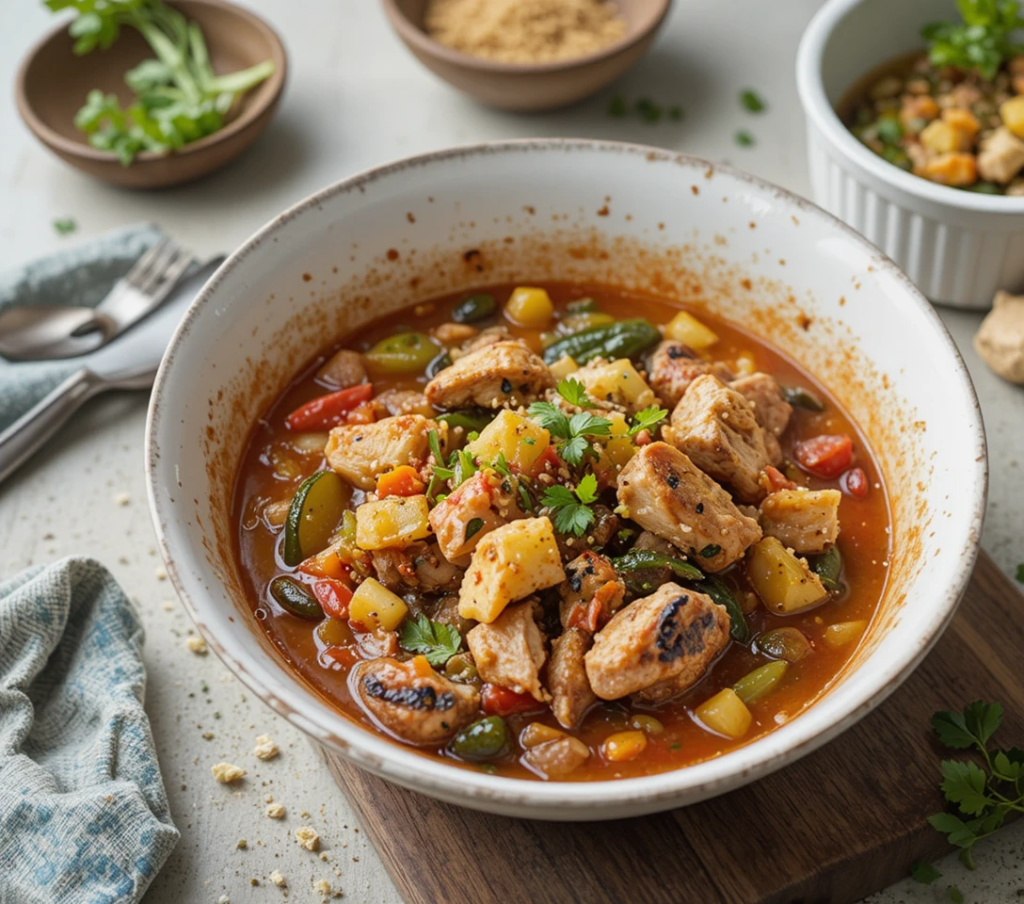
Sunday’s roasted chicken and vegetables become Monday’s hearty vegetable-chicken soup with the addition of broth, herbs, and perhaps some small pasta or rice.
The Grain Bowl Recomposition
Concept: Deconstruct and reconstruct for a completely new experience.
Assembly Framework:
-
Base Layer: Grains, greens, or noodles
-
Protein Element: Chopped or shredded leftovers
-
Vegetable Component: Both leftover and fresh elements
-
Sauce/Dressing: Unifying flavor component
-
Texture Contrast: Something crunchy or crispy
The Strategic Hash Creation
Concept: Diced uniformity creates cohesion from disparate elements.
Key Principles:
-
Dice all components to similar size
-
Cook in proper sequence (longest-cooking first)
-
Create a crispy crust through patient cooking
-
Season in layers throughout cooking
Category-Specific Strategies
Meat and Poultry Transformations
Large Cuts (Roasts, Whole Birds):
-
First meal: Sliced presentation
-
Second meal: Shredded for tacos, sandwiches, or salads
-
Third use: Diced for soups, stews, or hashes
-
Final utilization: Bones for broth
Ground Meat Applications:
-
Repurpose as filling for vegetables or pastries
-
Incorporate into sauce or chili
-
Use as pizza or flatbread topping
Vegetable Reincarnations
Cooked Vegetables:
-
Blend into soups or sauces
-
Incorporate into egg dishes
-
Use as pasta or grain mix-ins
-
Create vegetable pancakes or fritters
Salad Components:
-
Sauté wilting greens with garlic
-
Add to soups during last minutes
-
Blend into pesto or sauce
Starch Reimagining
Cooked Rice and Grains:
-
Fried rice or grain bowls
-
Soup additions
-
Salad foundations
-
Binding agents for patties
Pasta and Noodles:
-
Pasta salads with new dressings
-
Baked pasta dishes
-
Soup additions
-
Stir-fry components
Advanced Techniques for the Adventurous Cook
Flavor Profile Transformation
Change the entire character of leftovers by shifting culinary traditions:
American to Asian:
Add ginger, garlic, soy sauce, and sesame elements
Plain to Mediterranean:
Incorporate olive oil, lemon, herbs, and briny elements
Simple to Southwestern:
Introduce chili powders, cumin, corn, and avocado
Texture Engineering
Intentionally modify textures for improved results:
Crisping Methods:
-
Oven roasting at high heat
-
Pan-frying in minimal oil
-
Air frying for reduced fat
Creamifying Techniques:
-
Immersion blending
-
Food processor pureeing
-
Sieving for silky textures
Practical Implementation System
The Weekly Leftover Integration Plan
Sunday: Intentional overcooking for Monday’s foundation
Monday: Straightforward leftovers from Sunday
Tuesday: Creative transformation of Monday’s remnants
Wednesday: New cooking day with planned leftovers
Thursday: Wednesday’s leftovers reinvented
Friday: “Clean sweep” meal using all remaining bits
Saturday: Flexible day for either dining out or creative fridge clearance
Storage for Success
Optimal Practices:
-
Store components separately when possible
-
Use clear containers for visibility
-
Label with contents and dates
-
Portion appropriately for planned uses
-
Cool completely before refrigerating
Economic and Environmental Impact
Financial Benefits
Direct Savings:
-
Reduced grocery expenditures
-
Fewer convenience food purchases
-
Lower restaurant spending
Indirect Value:
-
Time savings from reduced cooking
-
Energy savings from efficient kitchen use
-
Reduced food waste disposal costs
Environmental Stewardship
Waste Reduction:
-
Decreased landfill contributions
-
Reduced methane production
-
Conservation of production resources
Resource Efficiency:
-
Maximized use of purchased items
-
Reduced packaging waste
-
Lowered carbon footprint from food production
Troubleshooting Common Challenges
The “Not Enough” Dilemma
Solutions:
-
Combine multiple leftover sources
-
Add inexpensive extenders (beans, grains, eggs)
-
Serve as part of a multi-component meal
-
Present as appetizer or side portions
The “Family Resistance” Factor
Overcoming Strategies:
-
Don’t announce leftovers—present transformed dishes
-
Involve family in transformation decisions
-
Create “make your own” bars or stations
-
Give dishes appealing new names
The “Texture Fatigue” Issue
Revitalization Methods:
-
Add contrasting textures
-
Change serving temperatures
-
Alter presentation styles
-
Incorporate surprising elements
Beyond the Basics: Creative Inspirations
Cultural Reinventions
Take ordinary leftovers on global journeys:
Italian Leftovers:
-
Bruschetta toppings
-
Polenta accompaniments
-
Risotto additions
Mexican Transformations:
-
Taco or burrito fillings
-
Quesadilla ingredients
-
Tostada toppings
Asian Reimaginings:
-
Stir-fry components
-
Rice or noodle bowl elements
-
Soup garnishes
Seasonal Adaptations
Adjust transformation methods by season:
Summer Approaches:
-
Chilled soups
-
Cold salads
-
No-cook applications
Winter Methods:
-
Hearty soups and stews
-
Baked casseroles
-
Rich, warming preparations
Conclusion: The Sustainable Satisfaction of Second Servings
Transforming leftovers represents more than mere economy or efficiency—it embodies a thoughtful approach to nourishment that honors the resources invested in our food. Each container in our refrigerators holds not just calories, but labor, energy, water, and care. By giving these foods second lives through creative transformation, we practice a form of culinary respect that benefits our budgets, our palates, and our planet.
The journey from seeing leftovers as obligation to viewing them as opportunity begins with a single transformed meal. Start with one container, apply one technique, and notice the satisfaction that comes from creating something delicious from what might have been wasted. This practice gradually builds not just a repertoire of techniques, but a mindset of resourcefulness that extends beyond the kitchen.
In a world of abundant choice, there’s profound value in learning to work creatively with what we already have. The art of the second-chance supper teaches flexibility, innovation, and appreciation—qualities that nourish us in ways that extend far beyond the dinner table.
Tonight, open your refrigerator with new eyes. See not leftovers waiting for reheating, but ingredients awaiting their next delicious incarnation. Your kitchen, your budget, and your taste buds will thank you.