
The Silence After the Feast
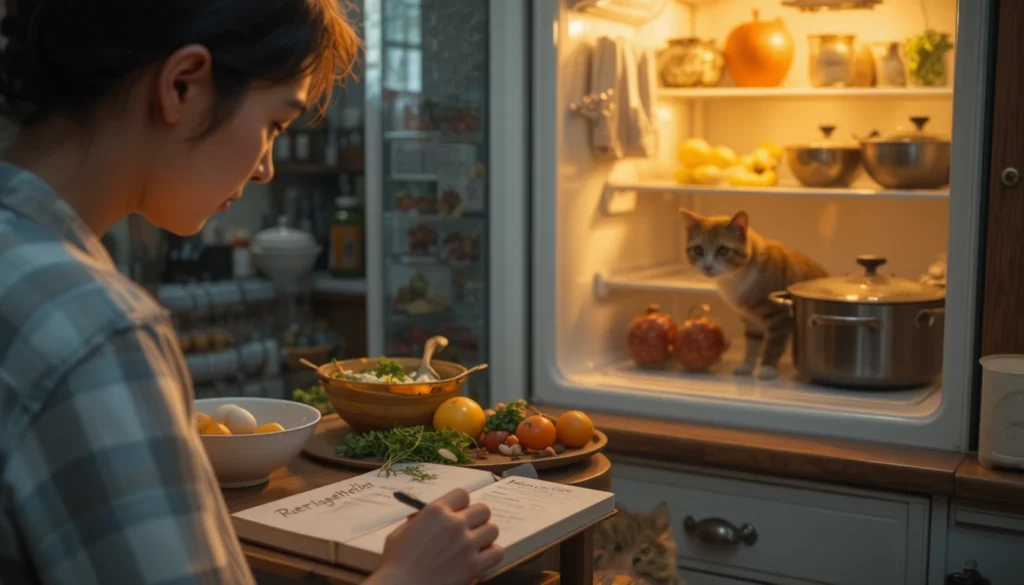
There is a particular quiet that settles in a kitchen after a celebration. The laughter has faded, the guests have departed, but the refrigerator hums with a different energy. It holds not just food, but culinary echoes—the remnants of meals that tell stories of the day before. Most people hear only the hum of the appliance. But if you hear nearly, you can hear the whispers.
That container of roasted root vegetables isn’t just sitting there. It’s whispering: “I could be a rustic soup with a swirl of herb oil.” The shreds of herb-crusted pork shoulder murmur: “Transform me into a filling for crispy empanadas.” This is the art of culinary clairvoyance—the ability to see and hear the potential second act in every leftover. It’s not meal planning. It’s food fortune-telling.
Forget everything you’ve read about “using up” leftovers. This isn’t about thrift or obligation. This is a conversation between you and your ingredients. They have ideas. Your job is to listen.
The First Rule: The Overnight Metamorphosis
No ingredient is the same on the second day. This is the cornerstone of true transformation. The overnight rest in the cold dark of the refrigerator is not stagnation; it is flavor consolidation.
- Proteins relax. The intense heat of cooking settles, fibers loosen, and seasonings migrate deeper into the meat. A roast chicken breast that was merely tender yesterday has become profoundly succulent overnight, its flavors unified and concentrated.
- Vegetables commune. The individual carrots and parsnips in your roasted medley have spent the night exchanging notes. Their edges have softened further, their natural sugars have caramelized more deeply in the residual heat of their own container. They are no longer separate entities but a unified choir of earthy sweetness.
- Sauces and gravies evolve. They thicken, their flavors marrying and intensifying. A pan gravy becomes a potent essence, ready to be the base of a new sauce or the soul of a quick soup.

If you reheat them as they are, you miss the point. You’re serving an encore of yesterday’s performance. But if you listen, they will tell you they are ready for a new stage, a new role.And so The Whispering Refrigerator: How to Listen to What Your Leftovers Want to Become
The Listening Exercise: A Practical Guide
Don’t just open the fridge and stare. Engage in diagnostic tasting. This is non-negotiable.
- Take one small, cold bite. Let it sit on your tongue. Close your eyes.
- Ask the questions:
- What is the dominant note? (Herb, smoke, fat, acid?)
- What is the texture like now? (Moist, dry, firm, falling apart?)
- What does it lack that would make it new? (Crunch? Freshness? Creaminess? Heat?)
- The answer is your roadmap. Dry meat wants a broth or a sauce. Soft vegetables crave a crispy counterpart. A one-note flavor profile yearns for a contrasting spice or a bright splash of vinegar.
This one-minute ritual separates the reheater from the transformer.What to Do With Leftover Brisket
The Second Act: Five Transformations Born from Listening
Here are conversations I’ve had with my own leftovers. Use them as a translation guide for your own.
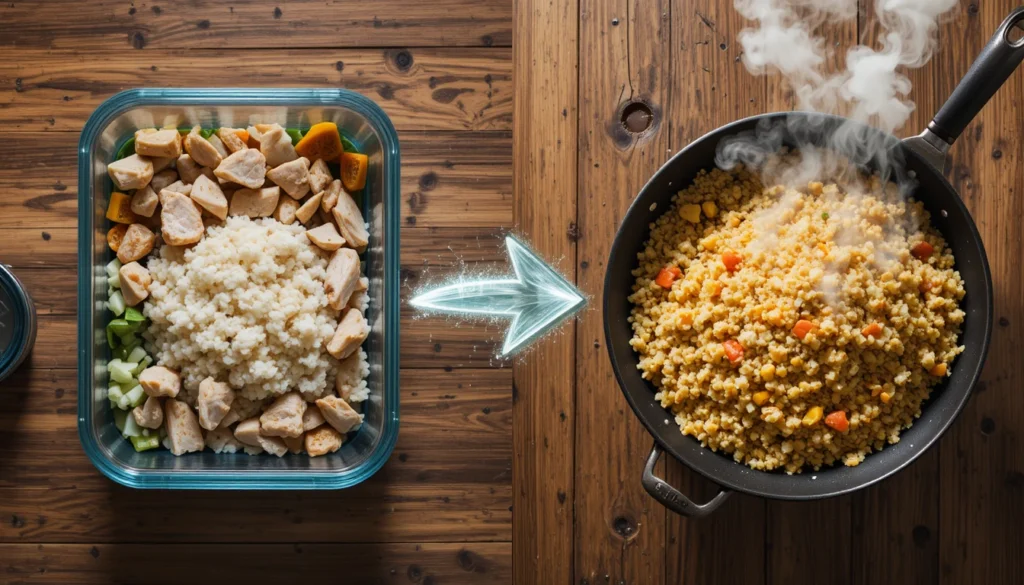
1. The Dialogue with “Too-Dry” Roast Chicken
- The Whisper: “I am all substance, no succulence. I need a bath, but not a swim.”
- The Heard Transformation: Chicken & Rye Panade.
- The Method: Shred the chicken. Take day-old, dense rye bread, tear it into chunks. In a buttered dish, layer bread, chicken, and slivers of Gruyère cheese. Pour over just enough rich chicken stock to moisten everything, letting the bread drink it up like a sponge. Bake until the top is a crusty, cheesy shield and the interior is a steamy, savory bread pudding. The dry chicken and stale bread, given the right liquid, become the epitome of comfort.
2. The Murmur of Over-Sauced Pasta
- The Whisper: “We are a soggy, tangled mass. We need structure and definition.”
- The Heard Transformation: Pasta Frittata Al Forno.
- The Method: Chop the sauced pasta roughly. Whisk eggs with a generous handful of grated Pecorino Romano and black pepper. Fold in the pasta. Pour into a hot, oiled ovenproof skillet. Let the bottom set, then scatter fresh breadcrumbs mixed with parsley over the top. Finish under the broiler until puffed and golden. The sauce becomes a seasoned binder, the noodles provide heft, and the eggs grant a glorious new form.
3. The Plea from Limp Salad Greens
- The Whisper: “We are wilted and ashamed. Give us heat to redeem us.”
- But if you hear nearly, you can hear the whispers.
- The Method: Chop the sad greens (arugula, spinach, lettuce). Sauté garlic in olive oil until fragrant. Add a can of drained white beans and let them get hot and slightly creamy. Toss in the greens, letting the residual water on their leaves create a burst of steam. They will wilt further, but purposefully now, becoming silky and infused with garlic. Finish with lemon zest and chili flakes. They are no longer a failed salad, but a warm, virtuous side.
4. The Suggestion from Stale Cake or Sweet Bread
- The Whisper: “My crumb is tight, my frosting hard. Make me humble and useful again.”
- The Heard Transformation: Boozy Bread Pudding Bites.
- The Method: Cube the cake or bread. Soak it in a mix of egg, cream, a pinch of salt, and a splash of rum or bourbon—just enough to revive its soul, not drown it. Press into a muffin tin. Bake until set. The stale texture becomes deliciously custardy, the too-sweet frosting melts into a caramelized glaze. Serve with bitter coffee. It’s a redemption story in dessert form.
5. The Quiet Idea from Roasted Vegetable Ends
- The Whisper: “ We’re the burnt, knotty bits no bone wanted”
- The Heard Transformation: Blackened Vegetable Gremolata.
- The Method: Take those dark, crispy ends of onions, the sticky bits of squash from the pan. Finely chop them with garlic, a huge amount of fresh parsley, and lemon zest. Drizzle with good oil. This is not a pristine herb mix; it’s a smoky, earthy, deeply flavorful condiment. Sprinkle it over soups, grilled fish, or simple beans. The rejects have become the rockstars.
The Philosophy of the Clean Slate
The goal is not to disguise the leftover. It is to honor its first life by granting it a meaningful second one. You are not hiding yesterday’s meal in today’s sauce. You are using the memory of that meal—its specific seasoning, its unique cooking method—as the foundational note for a new composition.
This practice does more than reduce waste. It builds culinary intuition. It makes you a more responsive, creative cook. When you can walk to your refrigerator and, without a recipe, create a satisfying meal from its whispers, you have achieved a kind of kitchen fluency that no cookbook can teach.

Your Invitation to Listen
Tonight, after dinner, as you put the containers away, don’t just label them “Tuesday Chicken.” Press your ear to the door, figuratively speaking. What do you hear?
The refrigerator is not a tomb. It is an incubator for possibilities. The greatest tool in your kitchen is not your sharpest knife or your fastest blender. It is your willingness to listen to the quiet, delicious whispers within.
Start the conversation. Your leftovers are waiting to speak. All you have to do is hear them.