Food possesses a unique, often overlooked power to dismantle the emotional barriers we build between ourselves and those we love. “Breaking down your wall” takes on literal and metaphorical meaning when we understand how preparing, sharing, and enjoying food together creates pathways to vulnerability, trust, and emotional intimacy. This guide explores the transformative role food plays in relationship healing and how you can use culinary experiences to bridge emotional. Edible Cocktail Glitter.
Why Food Breaks Down Emotional Barriers
The Science of Shared Meals
Research reveals compelling connections between shared eating and emotional bonding:
-
Oxytocin Release: Cooking and eating together triggers the “love hormone”
-
Mirror Neuron Activation: Synchronized eating creates neural alignment
-
Reduced Cortisol: Shared meals lower stress hormones by up to 30%
-
Enhanced Trust: Breaking bread together increases cooperation chemicals
Psychological Mechanisms:
-
Vulnerability Through Nourishment: Accepting food = accepting care
-
Collaborative Creation: Cooking together requires teamwork and communication
-
Sensory Connection: Taste and smell bypass intellectual defenses
-
Ritual Security: Regular meals create predictable emotional safety
Food Rituals That Break Down Specific Walls
For Communication Barriers: The “Chopping Board Confessionals”
Technique: Work side-by-side preparing vegetables
Why It Works:
-
Avoids intense eye contact (reduces confrontation anxiety)
-
Hands stay busy (prevents fidgeting or defensive gestures)
-
Natural pauses in conversation feel organic
-
Creates metaphorical space: “Let’s chop through this issue”
Implementation:
Thursday Night Prep Ritual:
1. Choose one seasonal vegetable each
2. Work at adjacent cutting boards
3. Share one "hard to say" thing while chopping
4. No solutions offered—just listening
5. Combine vegetables into shared dish
For Trust Issues: The “Recipe of Vulnerability”
Concept: Exchange family recipes with stories attached
Healing Power:
-
Sharing recipes = sharing personal history
-
Teaching cooking techniques = demonstrating trust
-
Family food stories reveal childhood experiences
-
“My grandmother’s remedy” opens heritage conversations
Exercise:
-
Each person chooses a comfort food from childhood
-
Cook it together while sharing associated memories
-
Note emotional reactions to smells/tastes
-
Create a new variation together (symbolizing new connection)
Therapeutic Cooking Techniques for Emotional Opening
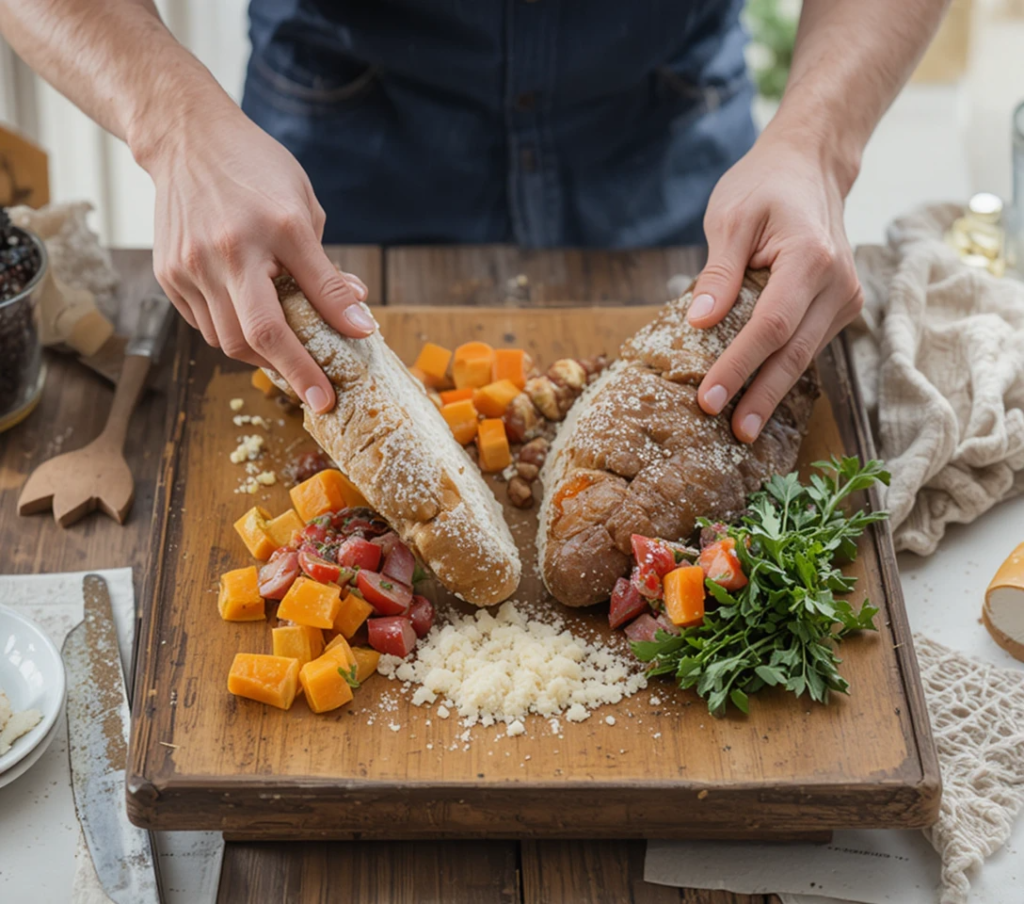
1. Bread-Making as Relationship Metaphor
Process as Progress:
-
Kneading: Working through relationship tensions physically
-
Rising: Practicing patience and trust in natural development
-
Punching Down: Releasing built-up frustrations safely
-
Baking: Transforming raw emotions into nourishing results
Weekly Practice:
-
Saturday morning dough preparation
-
Silent kneading while reflecting on the week
-
Shared shaping of loaves (representing shared life)
-
Breaking first bread together at dinner
2. “Taste of Emotion” Flavor Mapping
Connecting Flavors to Feelings:
-
Bitter: What leaves a bad taste? (resentments, disappointments)
-
Sweet: What brings joy? (appreciations, happy memories)
-
Sour: What makes you pucker? (jealousies, irritations)
-
Umami: What satisfies deeply? (connection, understanding)
-
Spicy: What adds excitement? (passion, adventure)
Communication Exercise:
Create a shared meal incorporating all five tastes while discussing corresponding emotions in your relationship.
3. The “Empty Bowl” Meditation
Practice:
-
Sit facing each other with empty bowls
-
Voice what you need to “fill your bowl” emotionally
-
Partner listens without interrupting
-
Together, prepare a meal that addresses expressed needs
-
Eat from now-filled bowls while discussing how needs can be met
Food-Based Connection Exercises for Couples
Exercise 1: The Blindfolded Trust Meal
Purpose: Building reliance and sensory connection
Setup:
-
One partner blindfolded
-
Other partner feeds them various foods
-
Focus on descriptive language and gentle care
-
Roles switch halfway through
Discussion Questions After:
-
How did it feel to be completely dependent?
-
What was challenging about being caretaker?
-
Which sensations brought unexpected emotions?
-
How can we bring this attentiveness to daily interactions?
Exercise 2: “Conflict Curry” Resolution Cooking
Turning Arguments Into Meals:
-
When conflict arises, agree to “cook it out”
-
Assign each contentious point a spice or ingredient
-
Work together to balance these into a harmonious dish
-
The act of creating something edible transforms energy
-
Eating the result symbolizes digesting and resolving differences
Exercise 3: The Memory Meal Recreation
Healing Past Hurts Through Food:
-
Identify a difficult relationship memory
-
Recreate what you ate that day (or wished you had eaten)
-
Cook it together with present-day awareness
-
Consciously replace old emotional associations with new ones
-
Create a “healing recipe” card with insights gained
Cultural and Ancestral Food Connections
Exploring Family Food Heritage
Why It Works:
-
Food stories reveal generational patterns
-
Preparing ancestral dishes connects to shared history
-
Modifying recipes together represents creating new traditions
-
Discovering “how grandma handled conflict” through her cooking
Implementation:
-
Each person researches one family recipe with its story
-
Cook them together on the first Sunday of each month
-
Discuss what you want to preserve and what to change
-
Create a new “our family” recipe combining elements
Building Your Food Culture as a Couple
Creating New Traditions:
-
Weekly: Taco Tuesdays or Stir-Fry Fridays
-
Monthly: “New Recipe Night” where you try something challenging together
-
Seasonal: Apple picking and pie making in fall
-
Annual: Anniversary recreation of your first meal together
Nutritional Approaches to Emotional Openness
Foods That Support Emotional Vulnerability
Science identifies specific nutrients that aid emotional regulation:
For Reducing Defensiveness:
-
Omega-3s (salmon, walnuts): Improve brain communication
-
Magnesium (spinach, almonds): Calms nervous system
-
Probiotics (yogurt, kimchi): Gut-brain axis balance
For Increasing Connection:
-
Dark chocolate: Phenylethylamine promotes attraction
-
Oysters: Zinc supports emotional stability
-
Avocados: Healthy fats for brain function
The Shared Meal Blueprint for Connection
Ideal Connection Meal Contains:
-
Protein: For sustained energy through difficult conversations
-
Complex Carbs: For serotonin production (mood regulation)
-
Colorful Vegetables: Antioxidants reduce stress inflammation
-
Shared Dessert: Creates positive association with sweetness
Overcoming Common Food-Related Barriers
When One Partner Doesn’t Cook
Solutions:
-
Start with “assembling” meals (charcuterie, taco bars)
-
Take a cooking class together (equalizes skill levels)
-
Create “your job/my job” divisions (chopping vs. seasoning)
-
Focus on simple 3-ingredient recipes to build confidence
Different Dietary Needs or Restrictions
Turning Limitations Into Connection:
-
Research new options together
-
Create “his and hers” variations of the same base dish
-
Monthly “exploration night” trying cuisine that accommodates both
-
Frame restrictions as creative challenges rather than divides
Time Constraints and Busy Schedules
Connection in Minutes:
-
10-Minute Connection: Smoothie making with shared blending
-
15-Minute Bonding: Omelette making with filling choices
-
30-Minute Ritual: One-pot meals with pre-chopped ingredients
-
“Slow Cooker Therapy”: Morning prep together, evening reconnection over ready meal
Creating Your Relationship Food Timeline
Mapping Your Journey Through Meals
Exercise:
-
List significant relationship moments
-
Associate each with a food memory
-
Recreate these meals in chronological order
-
Discuss how both the relationship and your cooking have evolved
-
Plan “next chapter” meals for future goals
The “Recipe Box” Relationship Journal
Ongoing Practice:
-
Use recipe cards to document relationship insights
-
Create “relationship remedy recipes” for common issues
-
Include photos of shared meals and cooking moments
-
Pass to children or loved ones as edible heritage
Professional Food Therapy Techniques
When to Consider Culinary Therapy
Indicators That Professional Help Might Benefit:
-
Food becomes a consistent battleground
-
Emotional eating patterns affect relationship dynamics
-
One partner uses food control as power dynamic
-
Past trauma around food or eating together
Types of Food-Focused Therapy:
-
Culinary Therapy: Licensed therapists incorporating cooking
-
Nutritional Psychology: Addressing mental health through diet
-
Family Systems Food Therapy: Examining generational patterns
-
Couples Cooking Counseling: Guided cooking with therapeutic intervention
Digital Age Adaptations: Connection When Apart
Virtual Cooking Dates
Making Distance Delicious:
-
Choose recipe together via video chat
-
Shop for ingredients separately but simultaneously
-
Cook “together” on video call
-
Set virtual table and eat while conversing
-
Send photos of finished dishes
Food Delivery as Love Language
Modern Care Packages:
-
Surprise ingredient deliveries with cooking instructions
-
“Thinking of you” meal kit subscriptions
-
Virtual cooking class gift certificates
-
Recipe videos made specifically for each other
Seasonal Connection Opportunities
Spring: Planting Together
-
Start herb garden for shared cooking
-
Farmers’ market visits selecting produce together
-
Light, fresh meals reflecting renewed energy
Summer: Grilling and Chilling
-
Outdoor cooking reduces kitchen tension
-
Iced tea brewing while discussing “hot topics”
-
Fruit picking and preserving for future sweetness
Fall: Harvest and Heart
-
Canning/preserving as metaphor for saving good moments
-
Hearty stews representing emotional warmth
-
Baking pies with “what we’re thankful for” discussions
Winter: Nourishment and Light
-
Soup making for emotional warmth
-
Holiday cooking navigating family dynamics
-
Dark chocolate and fireside conversations
Measuring Progress Through Food
Relationship Nutrition Checklist
Signs Your Food Connection Is Healing Walls:
-
Cooking together feels cooperative rather than combative
-
Meal times are anticipated rather than avoided
-
You’ve created at least one original recipe together
-
Food arguments have decreased by at least 50%
-
You can identify emotional states through food preferences
-
Shared meals last 30+ minutes with engaged conversation
-
You’ve successfully cooked through a disagreement
-
Food has become a source of joy rather than tension
The “Taste Test” of Emotional Progress
Quarterly Check-in:
-
Prepare a meal that was previously problematic
-
Note emotional responses compared to previous attempts
-
Discuss changes in communication during preparation
-
Adjust your “relationship recipe” based on insights
Conclusion: The Lasting Nourishment of Shared Meals
Food’s power to break down emotional walls lies not in extravagant meals or perfect techniques, but in the consistent, caring act of nourishment—of both body and relationship. Each shared meal represents an opportunity to choose connection over protection, curiosity over assumption, and collaboration over isolation.
The table becomes both altar and workshop—a place where we ritualize care through preparation, practice trust through sharing, and celebrate connection through enjoyment. Whether through simple Tuesday tacos or elaborate anniversary feasts, the food we prepare together becomes the physical manifestation of emotional labor, love, and commitment.
Start tonight. Cook something simple together. Notice when walls begin to lower—perhaps when tasting for seasoning, or when laughing over a spilled ingredient. These are the moments when protection gives way to partnership, when barriers become bridges, and when two people at a stove become a team creating more than just dinner—they’re creating connection, one meal at a time.