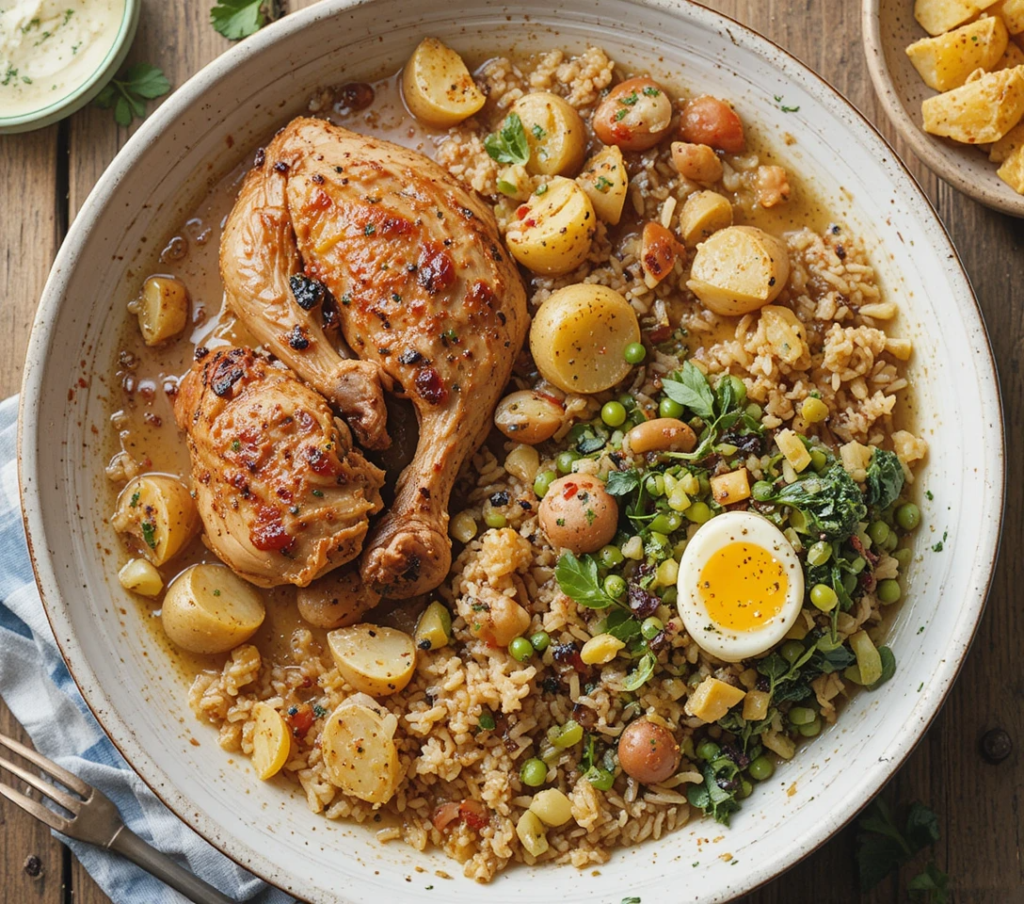
We all know the scene. You open the fridge and see them: the containers of last night’s dinner, the half-eaten side dish, the extra rice. We call them “leftovers,” and too often, they end up forgotten, then thrown away.
But what if we saw this not as an ending, but as a second chance?
This is the idea of The Second Harvest. There”s no need to eat the same dish multiple times. This approach is intelligent, budget-friendly and surprisingly imaginative.
Why Your Leftovers Are Actually Better
Food doesn’t just “go bad” overnight. In many ways, it gets better.
-
Flavors Marry: Overnight, herbs, spices, and sauces soak deeper into the food. That chili or stew often tastes richer and more balanced the next day.
-
Textures Transform: Stale bread is perfect for making crunchy croutons or a soft bread pudding. Dry rice fries up beautifully. These aren’t flaws; they’re new features.
-
It’s a Time-Saver: The base of your meal is already cooked. You’re halfway to dinner before you even start.
Simple Rules for Your Second Harvest
You don’t need to be a chef. Just follow these basic ideas.
1. The Soup & Stew Rule: Almost anything can become soup. That leftover roast chicken? Remove the meat, simmer the bones with an onion and carrot for broth, then add the shredded chicken back with some noodles or rice. Leftover veggies? Chop them up and add broth.
2. The Frittata & Omelet Rule: Eggs are the great unifier. Chop up last night’s potatoes, peppers, or meat, mix them with a few beaten eggs and some cheese, and cook. In 10 minutes, you have a brand-new breakfast or dinner.
3. The Stir-Fry & Fried Rice Rule: Day-old, cold rice is the secret ingredient for perfect fried rice. Sauté some onion and garlic, add your rice, a splash of soy sauce, and any leftover protein or veggies. Toss in a scrambled egg at the end. It’s fast, delicious, and uses up small bits of everything.
4. The “Bowl” Rule: Grain + Protein + Veggie + Sauce = An easy, healthy meal. Leftover quinoa? Check. Some grilled chicken? Check. A handful of spinach or roasted broccoli? Check. A dollop of yogurt or a squeeze of lime? Check. Assemble and eat. No cooking required.
A Real-Week Example
-
Sunday: You make a big roasted chicken with potatoes and green beans.
-
Monday (Harvest 1): Shred the leftover chicken for tacos or chicken salad sandwiches. Use the carcass to start a pot of broth.
-
Tuesday (Harvest 2): Use the broth and any remaining chicken for a quick chicken noodle soup. Chop the last few potatoes and pan-fry them as a side.
-
Wednesday: The cycle is complete. You’ve eaten well for days with almost no new waste.
The Mindset Shift: From “Have To” to “Get To”
The biggest change isn’t in your kitchen; it’s in your head. Stop thinking:
“Ugh, I have to eat leftovers again.”
Start thinking:
“I get to make something new from what I already have.”
This turns a chore into a small, creative challenge. It saves you significant money on your grocery bill and cuts down on food waste dramatically.
Start Your Second Harvest Tonight
Open your fridge. Pick one container. Ask yourself:
-
What is its texture now? (Soft, dry, crunchy?)
-
What could it become? (Soup topping, filling, salad mix-in?)
-
What one fresh thing does it need? (An egg? Some broth? A fresh herb?)