The Mint in Your Pantry
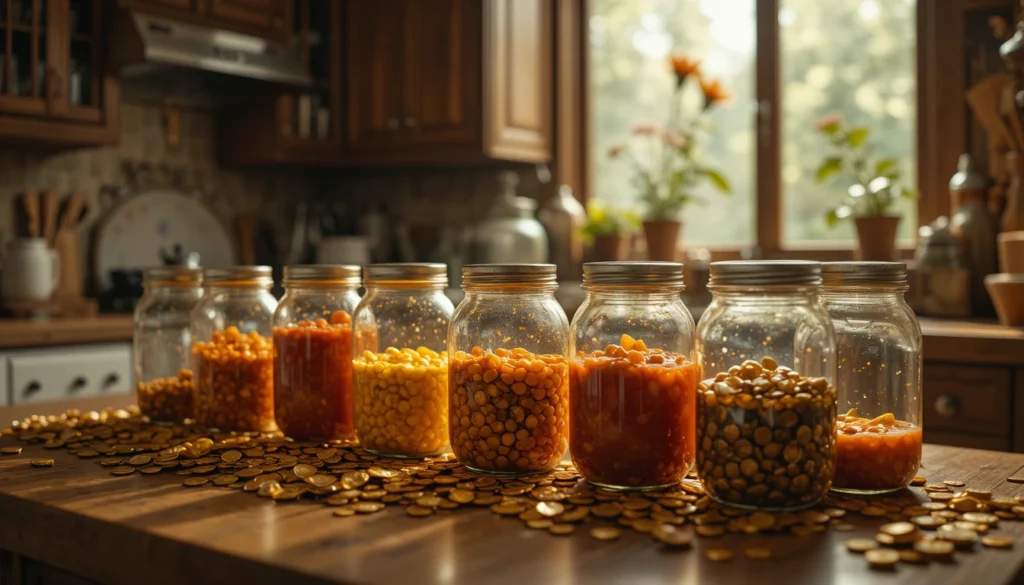
Every kitchen mints its own currency. It’s not printed on paper or struck from metal. It’s stored in jars, bottles, and containers that most people overlook. This currency doesn’t fluctuate on global markets—it appreciates in darkness, gains value through reduction, and reaches its highest worth precisely when it appears nearly gone.
We’re taught that full packages have the most value. A new jar of jam, an unopened bottle of oil, a pristine box of spices. But experienced cooks know the truth: culinary wealth is concentrated in the remnants. The last tablespoon in the jar holds more creative potential than the first cup. The scrapings have more flavor authority than the easy pour. The almost-empty is the kitchen’s most liquid asset.
This isn’t about frugality. This is about recognizing that scarcity in the kitchen doesn’t limit creativity—it defines it. The first ninety percent of any ingredient follows recipes. The final ten percent writes them.
Recognizing Denominations: Your Flavor Banknotes
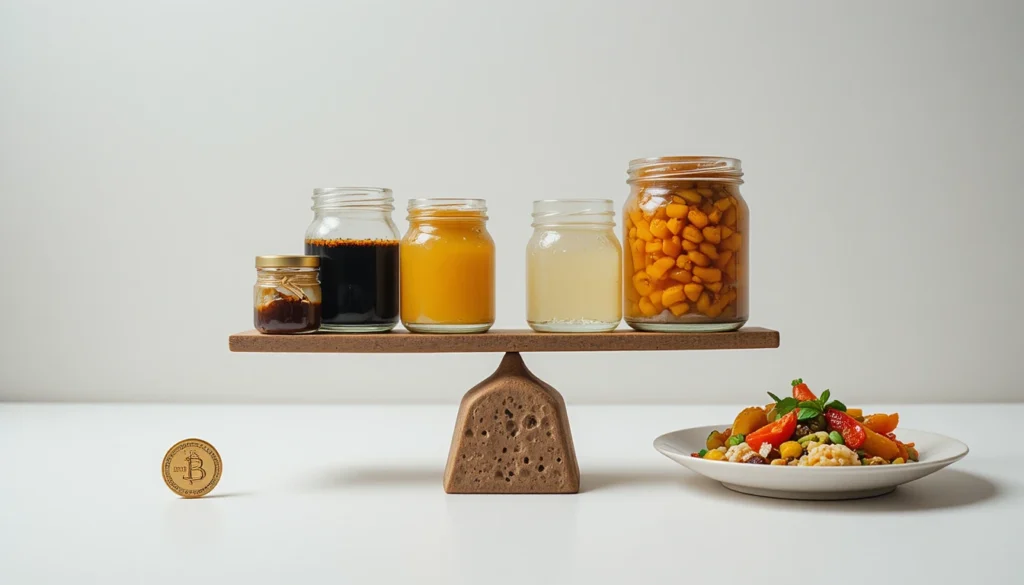
Your kitchen circulates several distinct currencies, each with unique properties and exchange rates.
The Acid Notes
Examples: Vinegar remnants, pickle brine, lemon juice bottoms, wine “too gone for drinking but perfect for cooking”
Character: Sharp, bright, penetrating
Exchange Rate: 1 tablespoon = The brightness for an entire salad
Appreciation Factor: Acidity intensifies as it concentrates. That last bit of pickle brine has absorbed maximum flavor from its contents.
The Umami Bonds
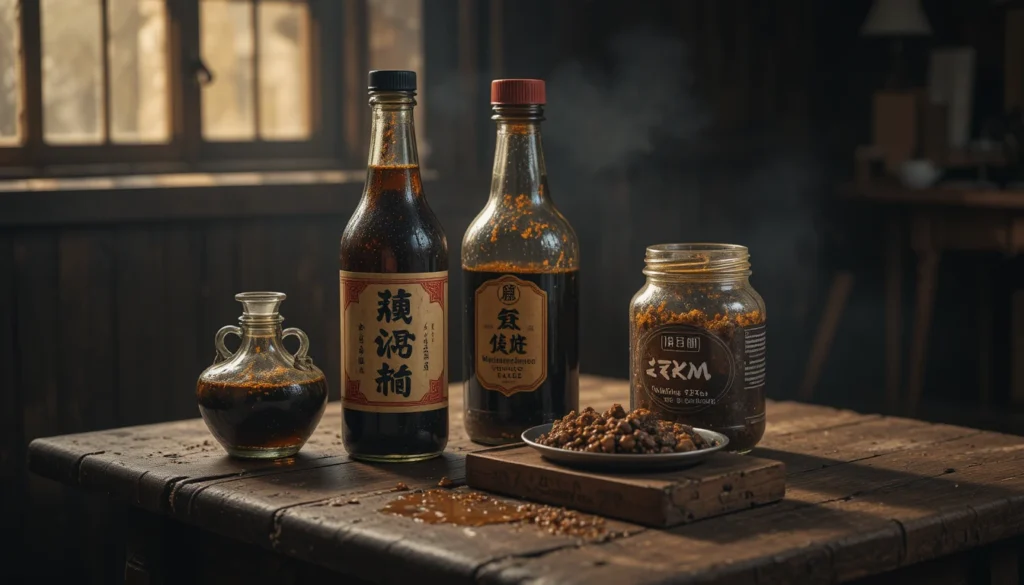
Examples: Soy sauce film, Worcestershire dregs, fish sauce residue, mushroom powder stuck to container
Character: Deep, savory, grounding
Exchange Rate: 1 teaspoon = The depth for a pot of soup
Appreciation Factor: Umami compounds become more pronounced as liquids reduce. The “empty” bottle actually holds the most concentrated flavor against its glass.
The Sweet Reserves
Examples: Honey crystallized at the spout, maple syrup coating the bottle, jam scrapings, sugar stuck in corners of packages
Character: Rounding, balancing, caramelizing
Exchange Rate: 1 scraping = The balance for a sharp vinaigrette
Appreciation Factor: Sweetness becomes more complex as it ages and oxidizes slightly. That “old” honey has notes the fresh stuff lacks.
The Fat Notes
Examples: Oil sheen on bottle, butter wrappers, mayonnaise clinging to jar, coconut milk solids
Character: Rich, carrying, uniting
Exchange Rate: 1 butter wrapper = The sauté medium for vegetables
Appreciation Factor: Fats have absorbed the flavors of what they’ve touched. That oil bottle has been seasoned by every previous use.
The Circulation System: How Currency Flows
Direct Exchange
The simplest transaction: one currency for immediate use.
- Example: Mustard remnants become today’s salad dressing emulsifier.
- Principle: Quick circulation prevents currency from going stale.
Compounding Interest
Combining multiple currencies for exponential growth.
- Example: Soy sauce ends + honey crystals + ginger bits = teriyaki glaze.
- Principle: Mixed currencies create new value greater than their sum.
Long-Term Investment
Preserving currency for future appreciation.
- Example: Herb stems in oil become infused cooking medium next week.
- Principle: Some currencies gain value through patience.

Market Dynamics: Supply and Demand in Your Kitchen
The Scarcity Principle
Observation: The less you have of something, the more creatively you use it.
Application: That final quarter-cup of pasta sauce inspires a meal. The full jar just waits.
The Concentration Curve
Observation: Flavor compounds concentrate as volume decreases.
Application: The last bit of jam has more fruit intensity than the first.
The Surface Area Advantage
Observation: Less product means more contact with container, creating infused residues.
Application: The mustard coating the jar has absorbed glass-kissed complexity.
Inflation Controls: Preventing Flavor Devaluation
The Dilution Danger
Adding water or bulk without balancing flavors destroys currency value.
Antidote: Always reinforce with complementary notes when expanding.
The Monopoly Risk
Using one currency exclusively overwhelms the palate.
Antidote: Maintain a diversified flavor portfolio.
Global Exchange: Cross-Condiment Conversion
Currencies gain value when exchanged across culinary borders.
East Meets West Trading
- Miso scrapings + mayonnaise ends = Japanese-inspired spread
- Fish sauce residue + butter = Southeast Asian compound butter
- Soy sauce film + olive oil = Fusion dressing base
Old World Conversions
- Wine remnants + herbs = Quick marinade
- Mustard dregs + cream = French-style sauce
- Jam scrapings + vinegar = Gastrique foundation
The Shadow Economy: Unconventional but Valuable Trades
Some transactions happen outside traditional systems but yield high returns.
The Sweet-Savory Underground
- Chocolate syrup remnants in chili
- Pancake syrup in barbecue glaze
- Fruit preserves in pan sauces for meat
The Texture Exchange
- Chip crumbs as casserole topping
- Cracker dust as binder for patties
- Stale bread transformed into breadcrumbs or strata
Your Central Bank: Managing the Flavor Economy
Monetary Policy for Palates
Interest Rates:
- High: Use sparingly when flavors are concentrated
- Low: Use generously when flavors are mild
Reserve Requirements:
Always maintain emergency reserves of:
- Basic acid (vinegar or citrus)
- Base sweetener
- Primary salt source
Quantitative Tasting:
Regularly audit your currency through tasting, not just visual inspection.
Black Swan Events: When the System Shocks You
Unexpected Windfalls
Sometimes scarcity creates accidental brilliance.
Example: Being out of cream leads to discovering coconut milk makes better curry.
Market Corrections
When combinations fail, providing valuable data.
Example: Too much fish sauce teaches precise measurement for next time.
The Human Element: Psychology of Scarcity
Why We Value What’s Almost Gone
The psychological shift from abundance to scarcity triggers creativity. When options seem limited, innovation begins.
From Consumer to Creator
Full packages encourage following instructions. Almost-empty containers demand improvisation.
The Ripple Effect: Beyond Your Kitchen
This economic system extends outward:
Micro Impact: Your grocery bills decrease as utilization approaches 100%.
Macro Vision: If every kitchen operated at full currency utilization, food waste would plummet.
Philosophical Shift: Moving from a mindset of constant acquisition to one of complete utilization.
Your First Transaction: A Practical Start
Today’s Market Order
Asset: Almost-empty mustard jar
Action: Don’t wash it. Don’t recycle it yet.
Transaction:
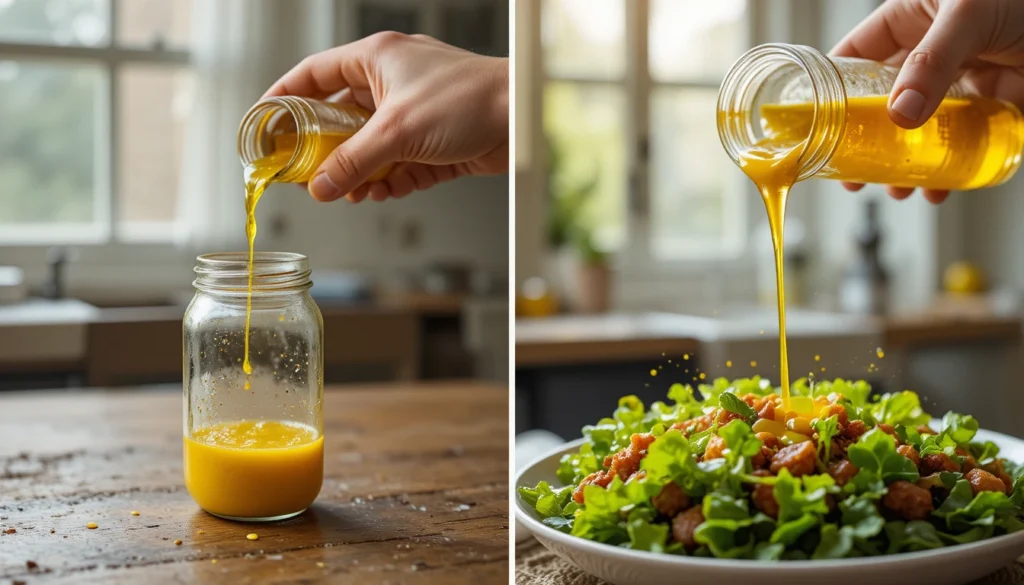
- Add vinegar to jar (any kind)
- Add oil (twice the vinegar)
- Add pinch of dried herbs
- Shake violently for 20 seconds
- Taste your first homemade vinaigrette
Return on Investment: A dressing with complexity that would cost $6-8 at a store, created from what you considered waste.
The Future of Flavor Finance
Where This Currency is Headed
Digital Tracking: Apps that help you track your “flavor portfolio” expiration and combinations.
Community Exchange: Neighborhood swaps of specialty condiment remnants.
Educational Integration: Cooking schools teaching “emptying techniques” alongside traditional skills.