Why Your Vegetables Are Plotting Against You (And How to Win Them Back)
The Secret War in Your Refrigerator
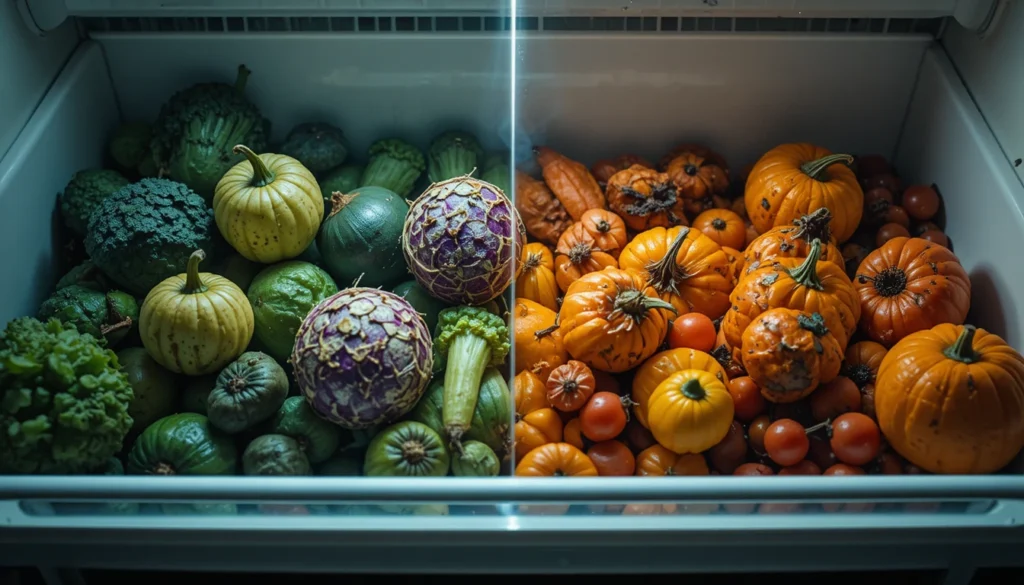
There is a silent rebellion happening right now in your kitchen. It’s not in the pantry with the orderly cans, or in the cupboard with the placid bags of rice. The insurrection is in the crisper drawer. That humid, dark chamber at the bottom of your refrigerator is not preserving your vegetables. It’s slowly, methodically, turning them into something else.The Crisper Drawer Crisis.
You bought them with the best intentions—the bright bell peppers for stir-fry, the crisp celery for soup, the fresh spinach for salads. But life happened. Now, they’re not ingredients. They’re accusations. The pepper has developed a soft spot that feels like a betrayal. The celery bends with a weary sigh. The spinach has collapsed into a dark, damp green heap, whispering of wasted potential with every opening of the fridge.
This is not a failure of planning. This is a failure of imagination. We see vegetables as finite items with one destiny: the recipe we bought them for. When that destiny fades, we see only decay. But what if that softening, that wilting, that slight sweetening as they edge past peak fresh… is not an end, but a transformation in progress?
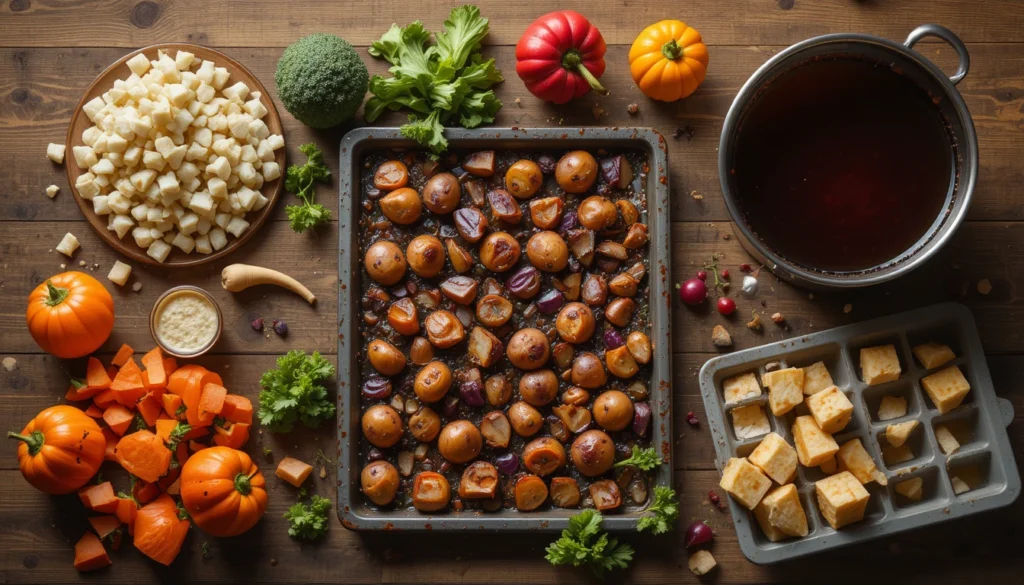
You are not looking at dying vegetables. You are looking at ingredients becoming something new. Your job is not to rescue them before they change, but to guide their transformation into something delicious. This is the art of the Second Spring—the culinary resurrection of what your crisper drawer has been secretly cultivating.
The Alchemy of Age—How Vegetables Change After Harvest
To save your vegetables, you must first understand what is actually happening to them. It’s not just “going bad.” It’s science.
The Three Stages of Post-Crisper Life:
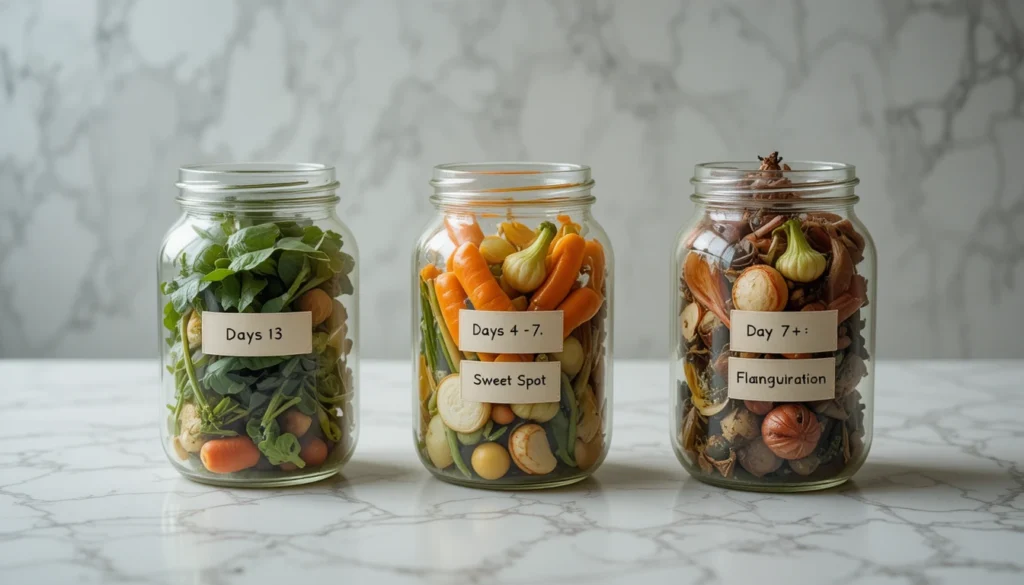
- The Firm Surrender (Days 1-3): Cells lose water. What we call “wilting” is actually the vegetable’s structure relaxing. This is good for cooking. It means faster softening, better absorption of flavors.
- The Sweet Spot (Days 4-7): Enzymes break down complex starches into simple sugars. That bell pepper isn’t getting “old”—it’s getting sweeter. That onion is becoming mellower. This is the peak moment for roasting, caramelizing, and blending.
- The Flavor Concentration (Day 7+): Water continues to evaporate. Flavors intensify. Herbs might look like a tragedy, but their essential oils are now highly concentrated. This is the moment for broths, infusions, and drying.
Your New Mantra: “This is not rot. This is evolution.”
The Resurrection Recipes—Guiding the Transformation
Stop trying to make that sad celery taste like fresh celery. Make it taste like what it has become.
The “Soup Stone” Method
The Situation: A drawer of miscellaneous, slightly tired veggies: a limp carrot, half an onion, a zucchini with one soft end, a few mushrooms going leathery.
The Old Thought: “Ugh, compost.”
The New Wisdom: This is free flavor gold.
The Method:
- Chop Everything. No need to peel. Just remove any truly rotten spots.
- Toss with Oil. Use the last bit of oil in that bottle. Coat well.
- Roast at 400°F (200°C) for 30-40 minutes until deeply browned and shrunken.
- Cover with Water. Just enough to submerge.
- Simmer for 1 hour.
- Strain. You now have a rich, dark, vegetable elixir.
You Have Not Made Soup. You have made a Soup Stone—a concentrated flavor bomb that will transform a simple lentil soup or a pot of rice into something profound. Freeze it in ice cube trays.
The Crisper Drawer Confit
The Situation: Herbs. Parsley, cilantro, dill—once fluffy green clouds, now slumping in their plastic bags, stems going yellow.
The Old Thought: Toss them, feeling guilty.
The New Wisdom: Their flavor is now in the stems and oils, not the leaves.
The Method:
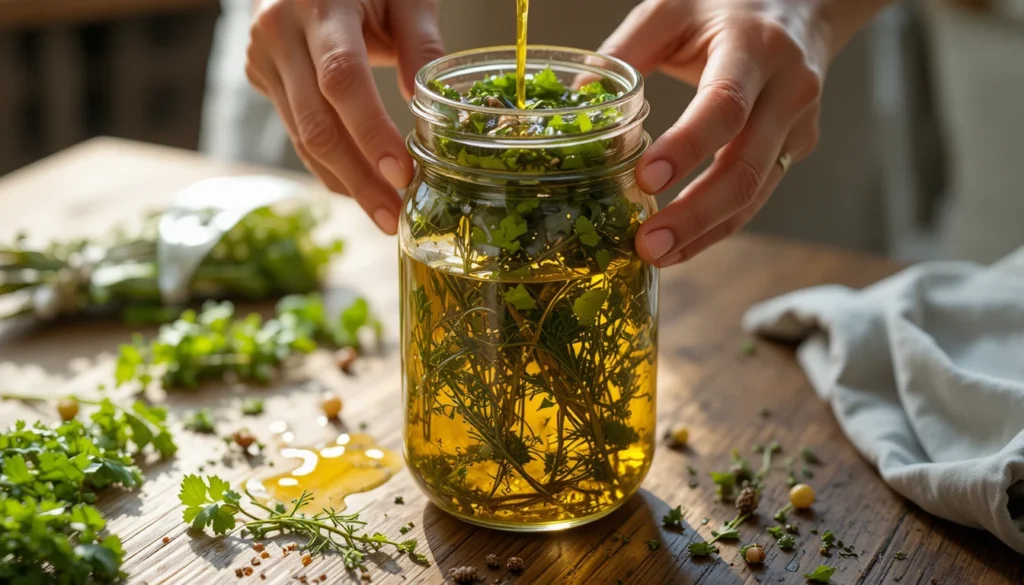
- Chop All of It. Stems, leaves, the whole lot. Don’t be precious.
- Pack into a Clean Jar.
- Cover Completely with Olive Oil.
- Refrigerate.
In a week, you have herb-infused oil for dressings and pastas. The herbs themselves become a potent, salty, preserved condiment to stir into stews or spread on bread. You haven’t saved the herbs. You’ve transmuted them.
The “Second Salad”
The Situation: Lettuce or greens that have lost their crunch. Spinach that’s gone dark.
The Old Thought: “Can’t use it for salad anymore.”
The New Wisdom: Of course you can. Just not a first-day salad.
The Method:
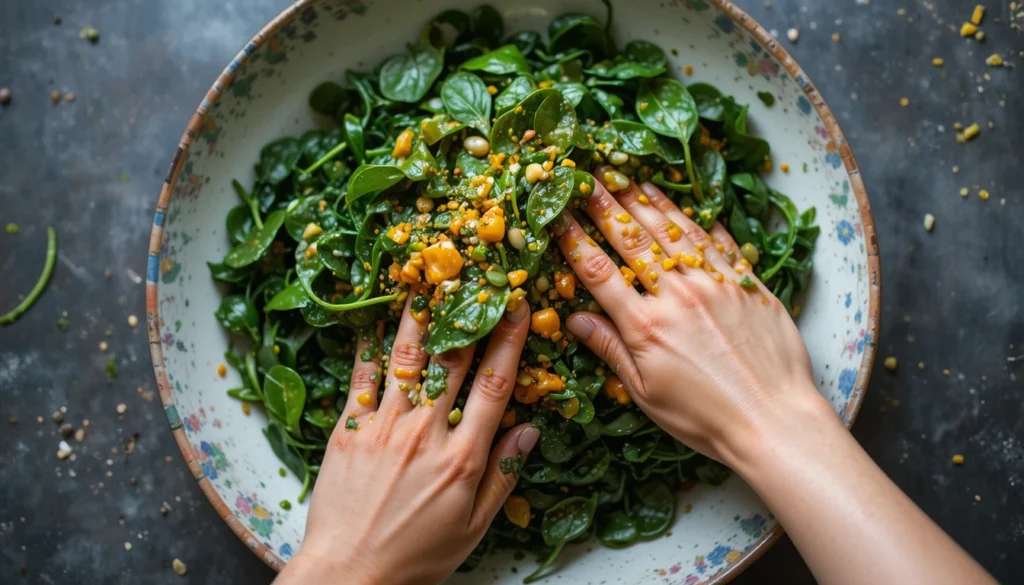
- Chop Finely. Treat it like an herb, not a leaf.
- Apply Aggressive Dressing. Use something with acid (lemon, vinegar) and fat (oil, tahini, yogurt) to break it down.
- Massage and Wait. Squeeze it with your hands. Let it sit for 30 minutes.
The wilted structure breaks down, becoming tender and silky. It absorbs the dressing completely. You have created a wilted salad—a different, often superior, dish with zero waste.
The Strategic Char
The Situation: Vegetables with localized soft spots: a tomato with a mushy side, an eggplant with a bruise.
The Old Thought: Cut away half and use the “good” half.
The New Wisdom: Apply direct, high heat to the flaw.
The Method:
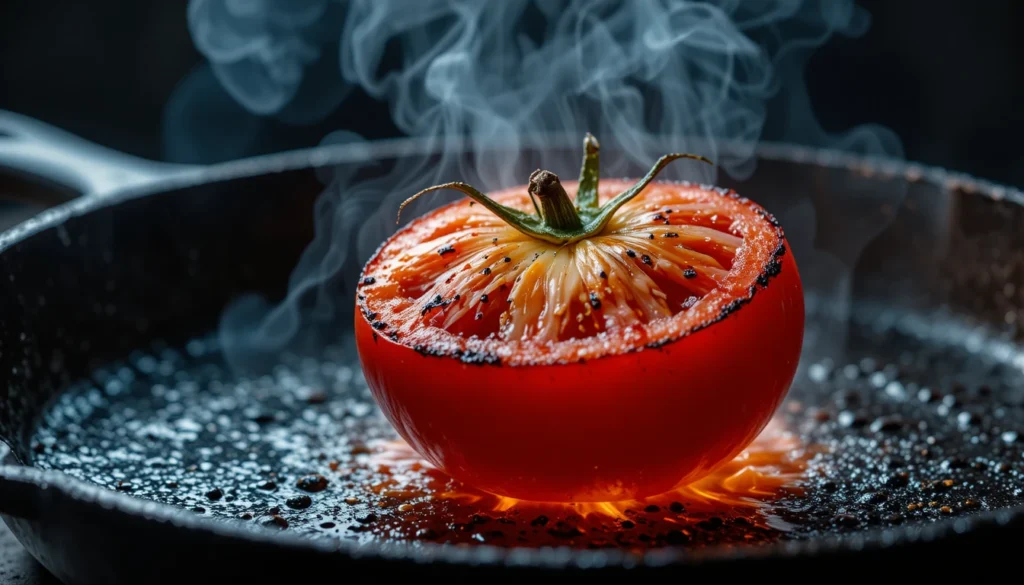
- Cut the vegetable so the soft spot is on a flat surface.
- Place that surface directly on the hottest part of a grill or skillet.
- Char it until blackened.
The heat destroys any problematic microbes at the site. More importantly, the caramelization and char create new, intense flavors that mask any textural imperfections. The “flaw” becomes the flavor epicenter.
The New Crisper Drawer Protocol—Building for Transformation
Your storage system is set up for failure. It’s designed to keep things “fresh” (i.e., unchanged). We need a system designed for intentional evolution.
The Three-Zone Drawer:
- Zone 1: The “Use First” Front Right Corner. This is for anything that has already begun its transformation. The sweetening pepper. The wilting greens. This is not the shame corner. This is the “tonight’s inspiration” corner.
- Zone 2: The “Foundation” Back Section. Onions, garlic, carrots, celery, potatoes. The hardy staples that provide the base for your transformations.
- Zone 3: The “Fresh & Fragile” Left Side. Truly new purchases that still need a day or two in their original state.
Every time you open the drawer, your eyes go to Zone 1 first. That’s what’s for dinner. Not what’s in the freezer. Not what’s in the pantry. Zone 1.
The Mindset of the Second Spring
The final barrier isn’t in your refrigerator. It’s in your mind.
The Two Sentences That Change Everything:
- Instead of: “What was this supposed to be?”
Ask: “What has this wonderfully become?” - Instead of: “Is this still good?”
Ask: “What cooking method does this new state demand?”
A soft tomato isn’t failing to be a salad tomato. It has successfully become a sauce tomato.
Bendy celery isn’t failing to be crudité. It has successfully become soup celery.
Sweet, wrinkled peppers aren’t failing. They have successfully become roasting peppers.
You are not a garbage inspector, sorting the “good” from the “bad.”
You are a culinary guide, helping ingredients complete their natural journey from one delicious form to another.
Your First Mission: The Drawer Autopsy
- Empty the crisper drawer completely. Onto the counter. No hiding.
- Sort without judgment. Not by “good vs. bad,” but by transformation stage: “Sweetening,” “Wilting,” “Intensifying.”
- Choose one item from the most advanced stage. The saddest looking one.
- Apply the appropriate Resurrection method from Part 2.
- Taste it. Not as a diminished version of its former self, but as something new.
You will taste concentration sweetness you didn’t plant the depth that only time and slight decay can create.
The crisis in your crisper isn’t a problem. It’s an opportunity—a forced collaboration with time and nature to create flavors you could never buy.
The rebellion is over. You’ve just joined it.
Tonight, let something in your fridge be perfectly, deliciously, past its prime.