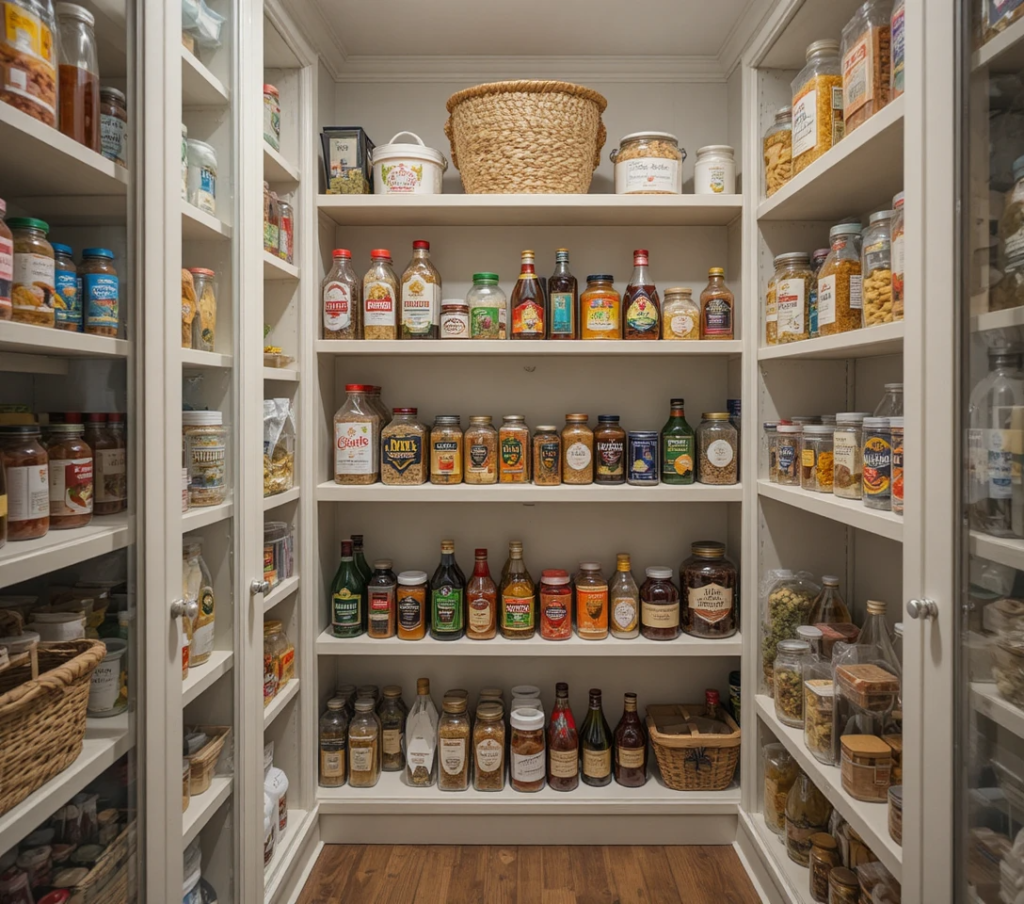
The Gallery of Forgotten Ingredients
In the quiet corners of American pantries and refrigerators, unseen dramas unfold. A half-used jar of capers reminisces about its Mediterranean origins. A wilting bunch of cilantro remembers its vibrant market days. A container of three-day-old rice holds the memory of a family dinner’s laughter. These are not mere leftovers; they are ingredients with biographies, characters in your kitchen’s unfolding narrative, waiting for their portrait to be painted.
Welcome to Pantry Portraiture—an artistic discipline that treats every leftover not as waste, but as a subject for culinary characterization. This isn’t recipe-following; it’s ingredient biography, flavor portraiture, and edible storytelling. Where others see “things to use up,” the pantry portraitist sees characters waiting for their second act.
The Subject Selection
Finding Your Muse in the Icebox
Every great portrait begins with subject selection. Your refrigerator is your gallery of potential subjects.
The Elder Statesmen:
-
Aged cheeses developing personality
-
Fermenting vegetables telling time’s story
-
Slow-reducing sauces gaining wisdom
-
Portrait Approach: Respectful, highlighting earned character
The Fading Beauties:
-
Wilted herbs with delicate grace
-
Overripe fruit in dramatic decline
-
Yesterday’s flowers (edible blooms)
-
Portrait Approach: Urgent, capturing fleeting beauty
The Strong Silents:
-
Staples that never complain
-
Frozen vegetables of unknown origin
-
Canned goods without expiration dates
-
Portrait Approach: Deep, revealing hidden depths
The Complicated Characters:
-
Mystery containers
-
Failed experiment remnants
-
Gift ingredients you’d never buy
-
Portrait Approach: Creative, finding unexpected virtues
The Portraitist’s Toolkit
Brushes, Palettes, and Canvases
The Flavor Palette:
Organized not by type, but by emotional quality:
-
Brights: Citrus, vinegar, fresh herbs (joy, energy)
-
Earth Tones: Mushrooms, root vegetables, beans (stability, comfort)
-
Jewels: Berries, pomegranate, edible flowers (celebration, luxury)
-
Smokey Shades: Paprika, chipotle, smoked salt (mystery, depth)
Textural Brushes:
-
Fine Detail: Microplane, zester, mandoline
-
Broad Strokes: Wooden spoon, whisk, hands
-
Blending Tools: Food processor, immersion blender
-
Finishing Touches: Tweezers, brushes, pipettes
The Canvas Selection:
-
Miniature: Small plates, tasting spoons
-
Standard: Dinner plates, bowls
-
Grand Scale: Platters, boards, multi-component installations
-
Unconventional: Slates, tiles, handmade pottery
Composition Techniques
Framing Your Culinary Subject
The Solo Portrait:
One ingredient, fully realized.
Example: A single aging tomato, roasted until concentrated, presented with its own reduced juices and a whisper of basil.
The Relationship Study:
Two ingredients in conversation.
Example: Day-old bread and overripe tomatoes becoming pan con tomate, each saving the other.
The Group Portrait:
Multiple leftovers finding harmony.
Example: Various roasted vegetables, different ages, united in a galette.
The Narrative Series:
One ingredient across multiple transformations.
Example: Sunday’s roast chicken appearing as:
-
Monday: Chicken salad (literal representation)
-
Wednesday: Chicken soup (impressionistic)
-
Friday: Chicken croquettes (abstract)
-
Sunday: Chicken stock (essential form)
Lighting and Shadow
Playing with Culinary Contrast
Temperature Lighting:
-
Warm Light: Roasting, grilling, searing
-
Cool Light: Chilling, serving cold
-
Mixed Lighting: Hot components with cold elements
Texture Shadows:
-
Crisp against soft
-
Smooth against rough
-
Liquid against solid
-
Airy against dense
Flavor Highlights:
-
Bright acids to lift heavy subjects
-
Umami depths to ground flighty characters
-
Sweet notes to soften bitter personalities
-
Bitter elements to complicate sweet natures
Background and Setting
Creating Context for Your Subject
The Minimalist Backdrop:
-
Plain white plate
-
Single sauce dot
-
Negative space
-
Best for: Strong, independent ingredients
The Narrative Setting:
-
Cultural context clues
-
Seasonal references
-
Meal-time suggestions
-
Best for: Ingredients with strong stories
The Abstract Environment:
-
Unusual serving vessels
-
Geometric arrangements
-
Deconstructed presentations
-
Best for: Experimental or challenging subjects
The Portrait Sessions
Structured Creative Processes
Session Type 1: The Speed Portrait</strong>
-
Time limit: 15 minutes
-
One main subject
-
Minimal additional ingredients
-
Goal: Essential character capture
-
Example: Transforming leftover rice into rice “caviar” with quick pickles
&lt;strong>Session Type 2: The Study Session</strong>
-
Time: 1-2 hours
-
Multiple sketches of same subject
-
Experimental techniques
-
Documentation required
-
Example: Three different treatments of aging vegetables
ss=”yoast-text-mark”>ss=”ds-markdown-paragraph”><strong>Session Type 3: The Masterwork</strong>
-
Time: Half day or more
-
Multiple subjects in conversation
-
Advanced techniques
-
Full documentation and reflection
-
Example: A “Pantry Still Life” featuring 5+ forgotten ingredients
The Exhibition
Sharing Your Pantry Portraits
The Family Salon:
-
Weekly presentation of best portraits
-
Family voting and feedback
-
Recipe cards for successful works
-
Format: Plated desserts or small plates
The Digital Gallery:
-
Photographing each portrait
-
Writing ingredient biographies
-
Sharing on social media with #PantryPortraiture
-
Creating virtual exhibitions
The Community Exhibition:
-
Potluck of pantry portraits
-
Ingredient exchange for future works
-
Technique sharing
-
Collaborative pieces
Signature Styles
Developing Your Portraitist Voice
Realist:
-
Faithful representation
-
Honest preparation
-
Respect for original form
-
Signature move: Perfect reheating techniques
Impressionist:
-
Suggestion over literalism
-
Flavor “brushstrokes”
-
Emotional representation
-
Signature move: Blending into soups, purees
Cubist:
-
Multiple perspectives simultaneously
-
Deconstruction and reassembly
-
Geometric plating
-
Signature move: Chopping and reforming in new shapes
Surrealist:
-
Unexpected combinations
-
Dream logic flavor pairing
-
Playful presentations
-
Signature move: Sweet-savory hybrids, unusual textures
The Critic’s Eye
Developing Artistic Judgment
Self-Critique Questions:
-
Does the portrait honor the subject?
-
Is there technical proficiency?
-
Is there emotional resonance?
-
Is there something surprising?
-
Would I want to see this subject again?
Family Critique Framework:
-
“What do you see first?”
-
“How does it make you feel?”
-
“What memory does it trigger?”
-
“Would you want this portrait again?”
Technical Assessment:
-
Balance of flavors
-
Harmony of textures
-
Visual composition
-
Narrative coherence
The Master’s Gallery
Inspired by Great Food Artists
Alice Waters:
-
Minimal intervention
-
Peak ingredient focus
-
Simple, honest preparation
-
Pantry application: Highlighting one perfect leftover
Ferran Adrià:
-
Scientific approach
-
Texture transformation
-
Conceptual framing
-
Pantry application: Spherification of aging sauces
Mashama Bailey:
-
Cultural storytelling
-
Historical references
-
Personal narrative
-
Pantry application: Connecting leftovers to food memories
David Chang:
-
Umami obsession
-
Cross-cultural fusion
-
Bold flavors
-
Pantry application: Transforming anything with koji or fermentation
The Economic of Art
When Creativity Meets Practicality
The Cost-Per-Portrait Calculation:
(Value of transformed meal) - (Additional ingredients cost) = Artistic gain
The Time Investment Return:
-
Creative satisfaction
-
Skill development
-
Waste reduction
-
Family engagement
-
These returns compound over time
The Collector’s Value:
-
Recipe development
-
Family tradition creation
-
Culinary confidence building
-
These appreciate with each portrait
The Educational Framework
Teaching Pantry Portraiture
Children:
-
“Guess the ingredient” games
-
Simple composition principles
-
Safe technique introduction
-
Positive reinforcement focus
Teens:
-
Cultural context lessons
-
Technical skill building
-
Creative expression emphasis
-
Social sharing encouragement
Adults:
-
Advanced technique workshops
-
Artistic theory application
-
Community building through food
-
Sustainable practice development
The Seasonal Series
Annual Exhibition Calendar
Winter: “The Still Life of Storage”
-
Root vegetables
-
Canned goods
-
Preserved items
-
Hearty, comforting portraits
Spring: “The Reawakening”
-
Sprouting vegetables
-
Young herbs
-
Light broths
-
Fresh, hopeful portraits
Summer: “The Abundance”
-
Garden surplus
-
Farmers market finds
-
Grill remnants
-
Vibrant, overflowing portraits
Fall: “The Harvest and Letting Go”
-
Squashes and gourds
-
Apple varieties
-
Thanksgiving aftermath
-
Rich, reflective portraits
The Digital Age Portraitist
Technology in Pantry Portraiture
Documentation Tools:
-
High-quality food photography
-
Lighting equipment
-
Backdrop selection
-
Styling props
Sharing Platforms:
-
Instagram for visual stories
-
Blog for detailed techniques
-
YouTube for process videos
-
Pinterest for inspiration boards
Community Building:
-
Virtual portrait exchanges
-
Online technique sharing
-
Digital exhibitions
-
Collaborative projects
Conclusion: The Portraitist’s Manifesto
Pantry Portraiture transforms the mundane act of “using leftovers” into a profound practice of seeing deeply, creating intentionally, and honoring completely. It asks us to look at a wilting carrot and see not decline, but character earned through time. To see in yesterday’s rice not staleness, but memory made edible. To see in random leftovers not a problem, but potential waiting for interpretation.
This practice does more than reduce food waste. It cultivates culinary mindfulness, develops creative confidence, builds family traditions, and creates beauty from what others overlook. It turns every kitchen into a studio, every cook into an artist, and every meal into a potential masterpiece.