The Sweet Second Life of Bread
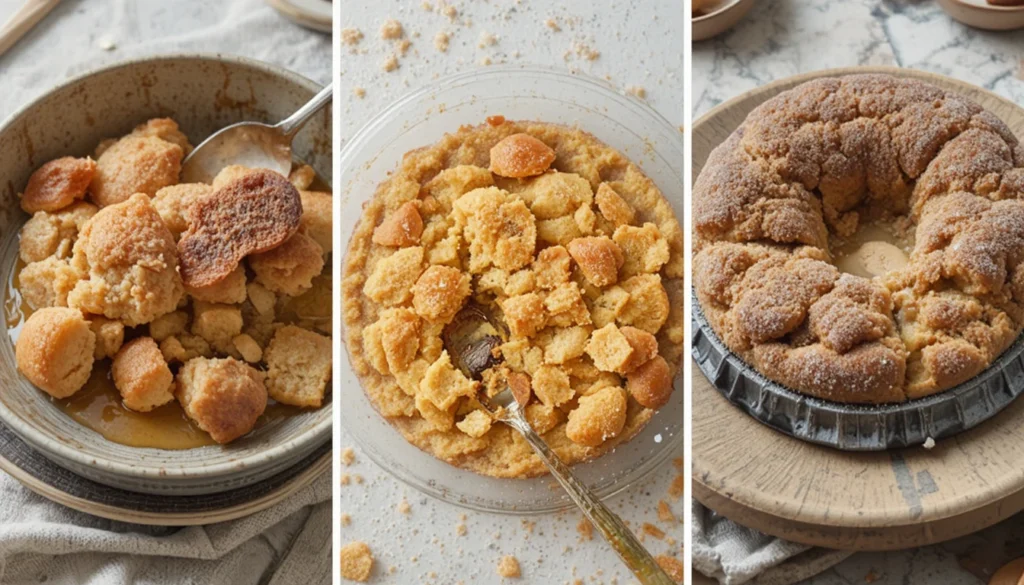
In every kitchen, a quiet transformation awaits—one that turns what many consider the end of a bread’s life into the beginning of something magical. Leftover bread dessert transformation isn’t merely about avoiding waste; it’s about unlocking the hidden sweet potential in every loaf’s final chapters. From the humble bread pudding served in colonial America to the sophisticated desserts gracing today’s Michelin-starred restaurants, stale bread has long been a secret weapon in the dessert arsenal.
Professional bakers and pastry chefs know this truth: Stale bread makes superior desserts. The slight dehydration concentrates flavors, improves texture absorption, and creates structural integrity that fresh bread cannot match. This guide will transform your perception of leftover bread from “something to discard” to “dessert gold waiting to happen.”
Understanding Bread’s Sweet Transformation Science
The Molecular Magic of Staling
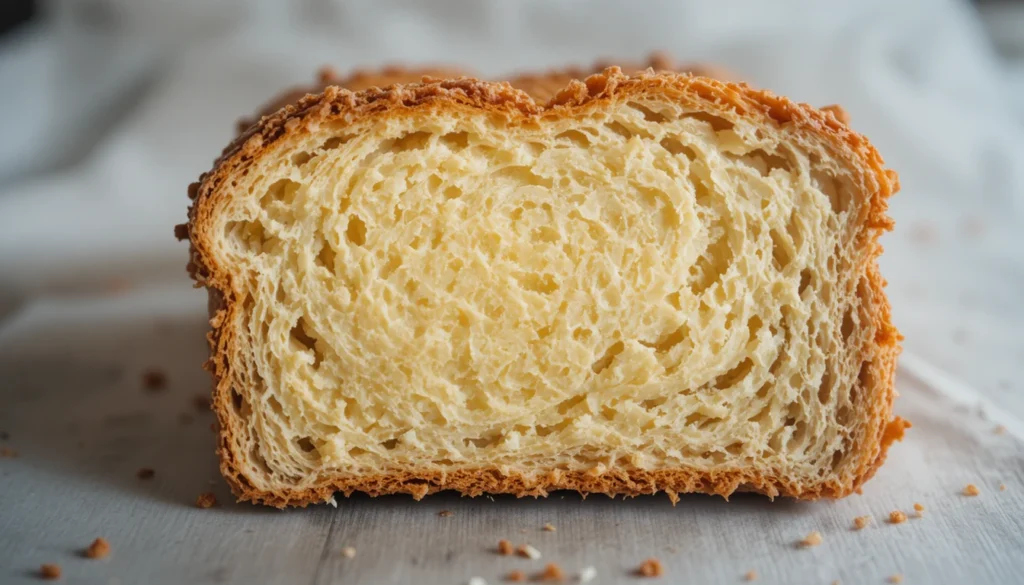
What Really Happens When Bread Stales:
-
Starch Retrogradation: Cooked starch molecules recrystallize, creating a firmer structure
-
Moisture Migration: Water moves from starch to crust, creating perfect texture for soaking
-
Flavor Concentration: Evaporation intensifies remaining wheat and fermentation notes
Why Stale Bread Makes Better Desserts:
-
Superior Liquid Absorption: Soaks up custards without disintegrating
-
Improved Structural Integrity: Holds shape during baking
-
Enhanced Caramelization: Creates better Maillard reaction
-
Concentrated Flavor: Less water means more intense bread character
The Professional Staling Acceleration Method
For intentional dessert preparation:
-
Slice bread into desired thickness
-
Arrange single layer on baking sheet
-
Leave uncovered at room temperature for 8-24 hours
-
Check for firmness without hardness
Bread Category Transformation Guide
1. Sandwich Bread Revolution
Characteristics: Soft texture, mild flavor, even crumb
Best For: Bread pudding, French toast casserole, sweet strata
Professional Transformation: Classic Bread Pudding Perfection
Ingredients:
-
6 cups stale sandwich bread cubes
-
2 cups whole milk or half-and-half
-
3 large eggs
-
¾ cup sugar
-
1 tbsp vanilla extract
-
½ tsp cinnamon
-
¼ tsp nutmeg
-
½ cup raisins or chocolate chips (optional)
Method:
-
Preheat oven to 350°F (175°C)
-
Butter 9×13 baking dish
-
Arrange bread cubes in dish
-
Whisk together remaining ingredients
-
Pour custard over bread, press down gently
-
Let soak 15-30 minutes
-
Bake 45-55 minutes until golden and set
-
Cool slightly before serving
2. Baguette & Crusty Bread Elegance
Characteristics: Crisp crust, airy interior, robust flavor
Best For: Pain perdu (French toast), summer puddings, crostata
Professional Transformation: Baguette Pain Perdu with Caramelized Bananas
Advanced Technique:
-
Slice baguette on bias for maximum surface area
-
Create vanilla bean-infused custard
-
Pan-fry in clarified butter for superior caramelization
-
Top with rum-caramelized bananas
3. Brioche & Enriched Bread Luxury
Characteristics: Rich, buttery, tender crumb
Best For: Upscale bread pudding, trifles, dessert French toast
Professional Transformation: Brioche Bread Pudding with Salted Caramel
Chef’s Secret:
-
Add ¼ cup rum or bourbon to custard
-
Layer with high-quality chocolate chunks
-
Finish with flaky sea salt
4. Whole Grain & Artisan Bread Depth
Characteristics: Nutty flavors, complex textures
Best For: Healthy-ish desserts, breakfast bakes, spiced puddings
Professional Transformation: Multigrain Berry Bread Pudding
Healthy Gourmet Approach:
-
Use maple syrup instead of refined sugar
-
Add antioxidant-rich berries
-
Incorporate nuts for texture contrast
5. Gluten-Free & Alternative Bread Solutions
Characteristics: Different texture profiles, varied absorption rates
Best For: Modified traditional recipes, crumbles, baked fruit dishes
Professional Transformation: Gluten-Free Bread Crumble Topping
Method:
-
Process stale gluten-free bread into coarse crumbs
-
Toss with melted butter, sugar, and spices
-
Use as topping for fruit crisps or baked apples
Professional Techniques for Extraordinary Results
The Perfect Soak: Custard Science
Professional Custard Formula:
-
Liquid: 2 parts dairy to 1 part bread by volume
-
Eggs: 1 egg per cup of liquid for firm set, ½ egg for softer
-
Sugar: Adjust based on bread sweetness (brioche needs less)
-
Flavorings: Add after tempering eggs
Soaking Time Guide:
-
30 minutes: Light custard penetration, distinct bread texture
-
2 hours: Moderate absorption, balanced texture
-
Overnight: Complete integration, uniform custard distribution
Texture Layering Method
Creating Multiple Textures in One Dessert:
-
Bottom Layer: Finer bread cubes, longer soak
-
Middle Layer: Larger chunks, shorter soak
-
Top Layer: Buttered bread cubes for crunch
Flavor Infusion Strategies
Professional Flavor Building:
-
Infuse Dairy: Heat milk/cream with vanilla, citrus zest, spices
-
Liquid Enhancements: Add liqueurs, extracts, flavored syrups
-
Mix-in Strategy: Layer chocolate, fruit, nuts strategically
-
Finish Strong: Glazes, sauces, whipped cream, or ice cream
Global Bread Dessert Traditions
International Inspiration
United Kingdom: Summer Pudding
-
Stale white bread lined mold
-
Filled with berry compote
-
Weighted and chilled overnight
-
Sliced to reveal jewel-toned interior
France: Pain Perdu
-
Literally “lost bread”
-
Thick slices soaked in custard
-
Pan-fried to golden perfection
-
Served with powdered sugar and fruit
Italy: Zuppa Inglese
-
Not soup despite the name
-
Ladyfingers or sponge cake soaked in liqueur
-
Layered with pastry cream
-
Inspired by English trifle
India: Shahi Tukda
-
Royal Mughlai dessert
-
Bread fried in ghee
-
Soaked in saffron-infused sugar syrup
-
Topped with reduced milk rabdi and nuts
Middle East: Um Ali
-
“Mother of Ali” bread pudding
-
Puff pastry or bread base
-
Soaked in sweetened milk
-
Topped with nuts and coconut
-
Baked until golden
Modern Creative Transformations
Contemporary Chef Innovations
Deconstructed Bread Pudding:
-
Bread custard baked in individual molds
-
Crispy bread chips as garnish
-
Sauce dots and crumbles for plating
Bread Ice Cream:
-
Toast bread until deeply caramelized
-
Infuse into cream base
-
Churn into ice cream
-
Serve with caramelized bread crumbs
Sweet Bread Soufflé:
-
Bread puree incorporated into soufflé base
-
Dramatic rise with subtle bread flavor
-
Elegant presentation
Seasonal Specialties
Spring: Lemon-blueberry bread pudding with lemon glaze
Summer: Peach and basil bread pudding with honey drizzle
Fall: Pumpkin spice bread pudding with maple-pecan topping
Winter: Gingerbread bread pudding with bourbon sauce
The Professional De
ssert Matrix
Bread Type × Technique × Flavor Profile
| Bread Type | Best Technique | Flavor Pairing | Presentation Style |
|---|---|---|---|
| White Sandwich | Traditional Pudding | Vanilla, Cinnamon | Rustic, Family-Style |
| Brioche | Individual Ramekins | Chocolate, Orange | Elegant Plated |
| Baguette | Pain Perdu | Berries, Citrus | Bistro-Style |
| Whole Wheat | Breakfast Bake | Maple, Nuts | Casual, Wholesome |
| Rye | Spiced Pudding | Apple, Caraway | Scandinavian Simplicity |
The Health-Conscious Transformation
Nutritious Without Compromise
Reduced Sugar Options:
-
Natural sweeteners: maple syrup, honey, coconut sugar
-
Fruit purees as sweetener and moisture
-
Spices to enhance natural sweetness
Protein Enhancement:
-
Greek yogurt in custard
-
Nut butter swirls
-
Protein powder in dry mix
Fiber Boost:
-
Add oats or bran to topping
-
Incorporate chia or flax seeds
-
Use whole grain breads
Professional Equipment
Guide
Essential Tools for Perfect Results
-
Serrated Bread Knife: Clean cuts without compressing
-
Kitchen Scale: Precision for professional results
-
Water Bath Setup: For silky, evenly-cooked puddings
-
Torch: For caramelized sugar tops
-
Strainer: For smooth custards
-
Individual Ramekins: For elegant presentation
-
Microplane: For fine zest and spices
Storage and Make-Ahead Strategies
Professional Timeline Management
Make-Ahead Options:
-
Up to 2 days ahead: Prepare custard, store separately
-
Up to 1 day ahead: Assemble but don’t bake, refrigerate
-
Baked desserts: Reheat gently in oven or serve at room temperature
Freezing Protocol:
-
Cool completely after baking
-
Wrap tightly in plastic then foil
-
Freeze up to 3 months
-
Thaw in refrigerator overnight
-
Reheat at 300°F until warmed through
Presentation & Plating Perfection
From Home Kitchen to Restaurant-Worthy
Plating Techniques:
-
The Quenelle: Perfect ice cream or whipped cream dollop
-
Sauce Art: Dots, swirls, or painterly strokes
-
Height Building: Stack elements vertically
-
Texture Contrast: Crisp, creamy, soft, crunchy all on one plate
-
Garnish Strategy: Edible flowers, herb sprigs, gold leaf
Serving Vessel Ideas:
-
Individual cast iron skillets
-
Vintage teacups or mason jars
-
Slab-style on wooden boards
-
Deconstructed on slate tiles
The Business of Bread Desserts
Commercial Applications
Bakeries:</strong>
-
Daily special using yesterday’s bread
-
“Rescue Bread” dessert line
-
Baking classes focused on transformation
Restaurants:</strong>
-
Signature bread dessert using house bread
-
Zero-waste dessert program
-
Pairing with dessert wines or coffees
<strong>Home Bakers:</p>
-
Farmers market stall featuring bread desserts
-
Subscription dessert boxes
-
Wedding and event dessert tables
Environmental & Economic Impact
The Numbers Behind Transformation
Waste Reduction:
-
Average household wastes 20% of bread purchased
-
Bread dessert transformation can utilize 100% of leftovers
-
National impact: Millions of loaves saved from landfills annually
Cost Savings:
-
Premium dessert from minimal cost ingredients
-
Restaurant-quality results at home kitchen prices
-
Extended utility from every bread purchase
Conclusion: The Sweet Cycle of Sustainability
Leftover bread dessert transformation represents the perfect intersection of tradition and innovation, sustainability and indulgence, economy and luxury. It proves that what might be considered an ending—the last slices, the hardened loaf, the accumulated ends—is actually a beginning. A beginning of creativity, of discovery, of sweet satisfaction.
Professional chefs have known this secret for generations. Now, it’s time for every home cook to embrace the sweet potential in their bread box. To see not waste, but opportunity. Not an ending, but a delicious new beginning.
Your Transformation Journey Begins Tonight:
Step 1: Save your bread ends and aging slices
Step 2: Choose one recipe from this guide
Step 3: Experience the magic of transformation
Step 4: Share your creation and inspire others
Remember: In the world of bread desserts, there’s no such thing as “too stale,” only “ready to be transformed.” Every loaf has a sweet destiny waiting to be discovered.