
The Tropical City’s Refrigerated Rebellion
Kolkata—where the air itself feels like a warm, damp blanket for eight months of the year—presents a unique culinary challenge: how to store food when “room temperature” means 35°C with 90% humidity. This isn’t just about leftovers; this is about survival. In a city where electricity cuts can last hours and monsoon moisture seeps into everything, your kitchen becomes a battlefield against spoilage. Custom in Japanese Food Traditions Manners.
Welcome to Kitchen Scramble: Kolkata Edition—the art of managing food when the weather, infrastructure, and urban living conditions are conspiring against your refrigerator. This isn’t generic food storage advice. This is Kolkata-specific culinary warfare, developed through generations of Bangali ingenuity.
Chapter 1: Understanding Kolkata’s Unique Food Ecosystem
The Four-Armed Enemy
1. Humidity (The Silent Spoiler)
- Average humidity: 70-90% year-round
- Effect: Bread molds overnight, biscuits turn soggy, spices clump
- Kolkata Solution: Double-container everything
2. Power Cuts (The Unpredictable Adversary)
- Summer frequency: 2-8 hours daily in some areas
- Winter surprise: Unexpected outages
- Kolkata Solution: The strategic freeze-thaw cycle
3. Limited Space (The Urban Reality)
- Average Kolkata kitchen: 40-80 square feet
- Refrigerator size: Small to accommodate space
- Kolkata Solution: Vertical storage intelligence
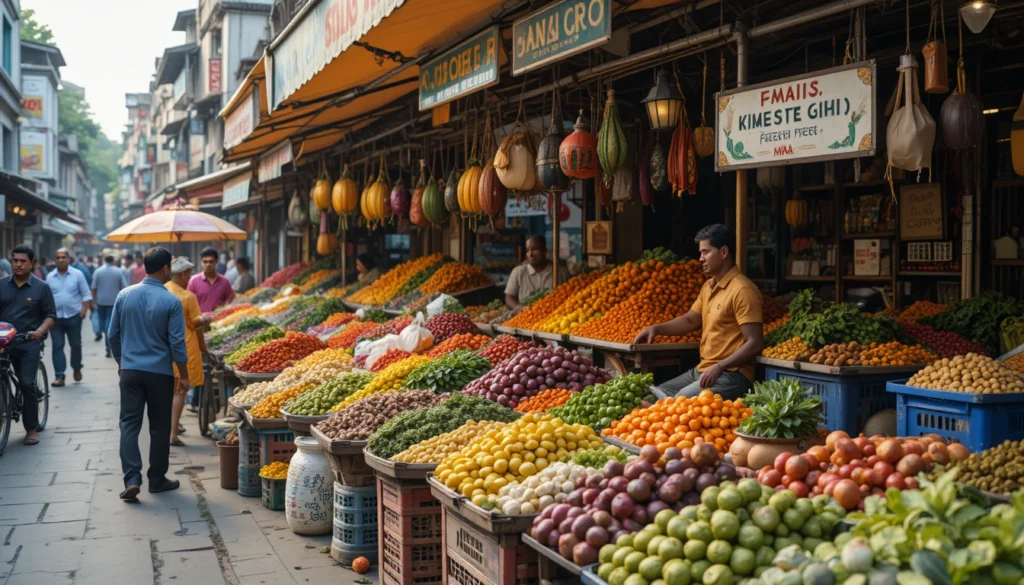
4. Market Rhythm (The Freshness Cycle)
- Morning markets: Maximum freshness
- Evening markets: Bargain prices, shorter shelf life
- Kolkata Solution: Day-based meal planning
Chapter 2: The Kolkata Cold Storage Methodology
The Temperature Zone Strategy
The Immediate Use Shelf (Top Shelf)
What goes here:
* Daily milk packet (if you still use them)
* Today's vegetables
* Cooked food for next 8 hours
* Butter for breakfast

Why top shelf: Warmest part of fridge in Kolkata's heat
The Bengali Essentials Layer (Middle)
The must-haves:
* Mishti doi (in its own container, never original)
* Aam kasundi (lid sealed with oil layer)
* Fresh coconut (grated, in airtight container)
* Green chilies (in paper bag, not plastic)
* Gondhoraj lebu (wrapped individually)

Special Note: Bengalis use more fresh ingredients daily
The Long-Term Kolkata Survival (Bottom/Back)
Strategic reserves:
* Shorshe bata (mustard paste) in oil
* Poppy seed paste (posto bata)
* Tamarind pulp (ice cube tray frozen)
* Ginger-garlic paste (frozen in small portions)
The Kolkata Freezer Hierarchy
The Daily Access
- Ice cubes (you’ll need more than you think)
- Frozen parathas/porota
- Pre-cut vegetables for quick cooking
The Festival Prep
- Shorshe ilish marinate (during season)
- Chingri malai curry base
- Sandesh/rosogolla during special occasions
The Monsoon Reserve
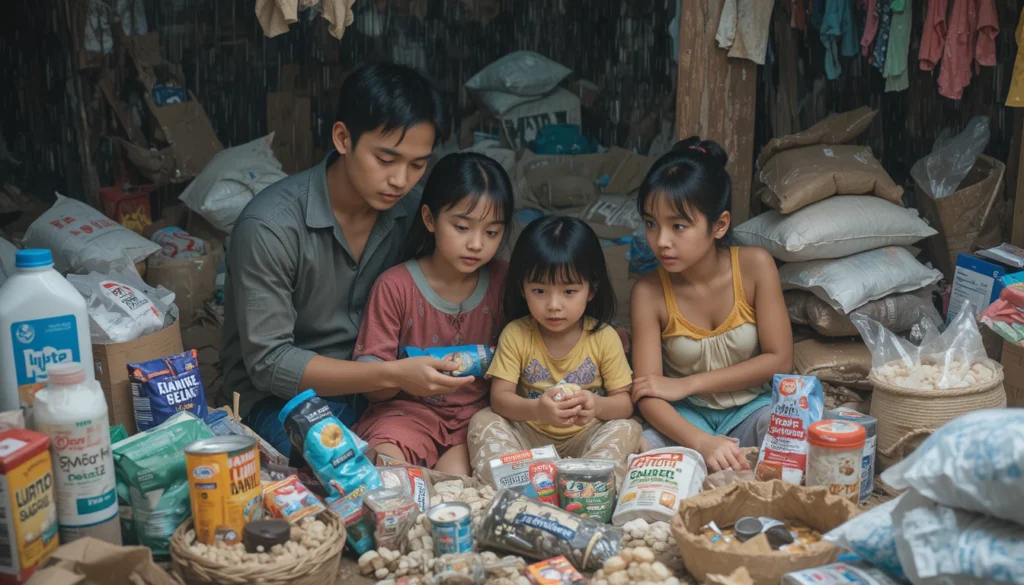
- Dry groceries during rainy season
- Emergency supplies during potential flooding
- Extra milk powder/condensed milk
Chapter 3: Leftover Management, Kolkata Style
The Bengali “Bhaat-Bhaja” Cycle
Fresh Meal
- Rice, fish curry, vegetable, dal
Transformation Begins
Leftover rice →
Option A: Bhuna khichuri with veggies
Option B: Fried rice with peas and eggs
Option C: Rice pudding (payesh) if sweet rice

Leftover fish →
Option A: Fish cakes (machher chop)
Option B: Fish in mustard sauce (shorshe mach)
Option C: Mixed with potato for filling
The Fusion Creation
- Mixed leftovers become:
- Mughlai paratha stuffing
- Omelet filling
- Soup/stew base
The “No-Refrigeration-Needed” Leftovers
Kolkata’s Traditional Wisdom:
- Sauté and Preserve:
- Aloo posto (potatoes in poppy seed) lasts 2 days outside
- Cholar dal (Bengal gram) keeps well
- Lau chingri (bottle gourd with prawns) – finish same day
- The Oil Layer Method:
- Any curry with oil layer on top = natural preservation
- Don’t mix until next serving
- Traditional Bengali cooking does this intentionally
- The “Bhar” Technique:
- Tempering with mustard seeds, panch phoron
- Creates antimicrobial environment
- Extends shelf life naturally
Chapter 4: Seasonal Strategies for Kolkata
Summer (March-June)
The Challenge: 40°C+, frequent power cuts
The Strategy:
Morning (6-8 AM):
* Cook for entire day
* Cool completely before refrigerating
* Use clay pots for natural cooling

Afternoon (12-4 PM):
* Minimal fridge opening
* Keep cooked food in coolest part
* Use fermented foods (doi, achar)

Evening (6 PM onwards):
* Second cooking if needed
* Finish perishables first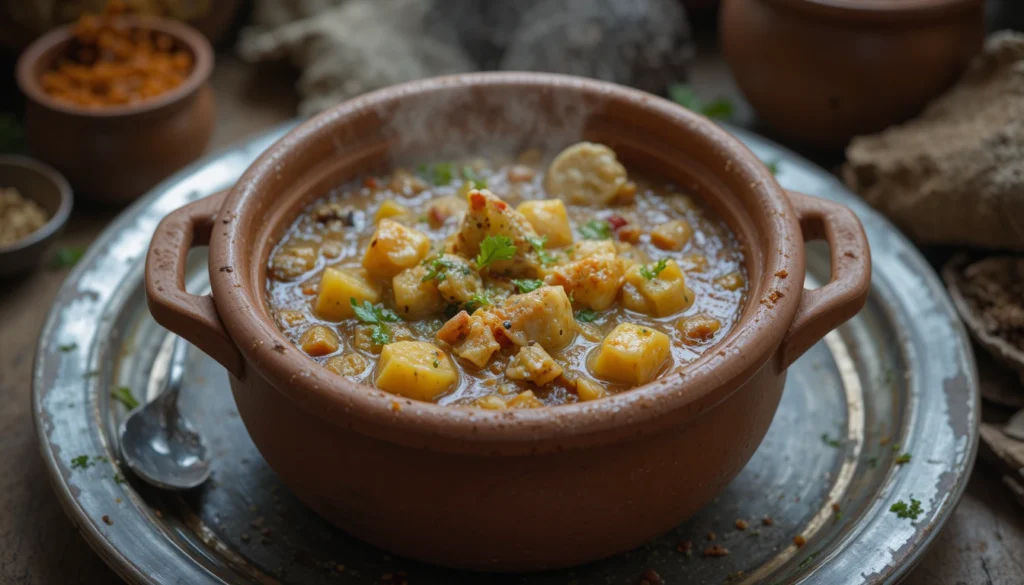
Summer-Specific Tips:
- Keep refrigerator at maximum cold setting
- Place bottles of frozen water in fridge during power cuts
- Use terrace/balcony for “pre-cooling” before refrigeration
Monsoon (July-September)
The Challenge: 100% humidity, mold growth
The Strategy:
Moisture Control:
* Silica gel packets in pantry
* Rice in airtight containers with neem leaves
* Salt bowls in corners to absorb moisture

Refrigerator Management:
* Wipe down weekly with vinegar
* Keep greens in paper towels
* Never put hot food directly in fridge
Winter (November-February)
The Challenge: Variable temperatures, festival cooking
The Strategy:
Festival Prep:
* Cook in batches, freeze intelligently
* Use natural cold (winter nights) for setting desserts
* Plan sequential cooking (sweets → snacks → mains)

Daily Management:
* Reduce refrigerator usage
* Use balcony as natural cold storage
* Enjoy the only time of year things keep well
Chapter 5: Kolkata Kitchen Infrastructure Solutions
The Compact Kitchen Maximization
Vertical Storage for 80 Sq Ft:
Wall 1: Magnetic spice racks
Wall 2: Hanging vegetable baskets
Wall 3: Over-the-door storage units
Ceiling: Hanging pot/pan rack
The “Two-Refrigerator” Hack (When Space Allows):
- Fridge 1: Daily use, vegetables, dairy
- Fridge 2: Backup, bulk storage, festival prep
- Cost-effective alternative: Second-hand refrigerator for ₹3,000-5,000
Power Cut Solutions
The Tiered Response System:
Stage 1 (0-1 hour outage):
* Keep fridge closed
* Use thermal curtains

Stage 2 (1-3 hours):
* Move essentials to coolest room
* Use clay pot cooling
* Begin consumption plan

Stage 3 (3+ hours):
* Cook what will spoil first
* Community sharing with neighbors
* Ice box emergency transfer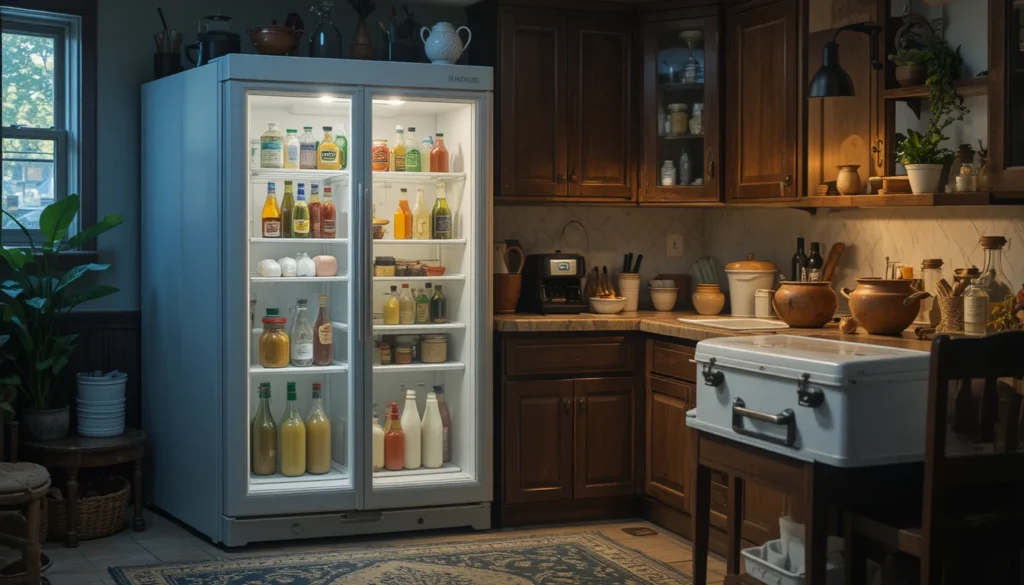
Investment Priorities:
- Voltage stabilizer (non-negotiable in Kolkata)
- UPS for refrigerator (small but crucial)
- Thermal refrigerator blankets (for summer)
- Cooling pads (evaporative cooling around fridge)
Chapter 6: The Kolkata Market Rhythm Method
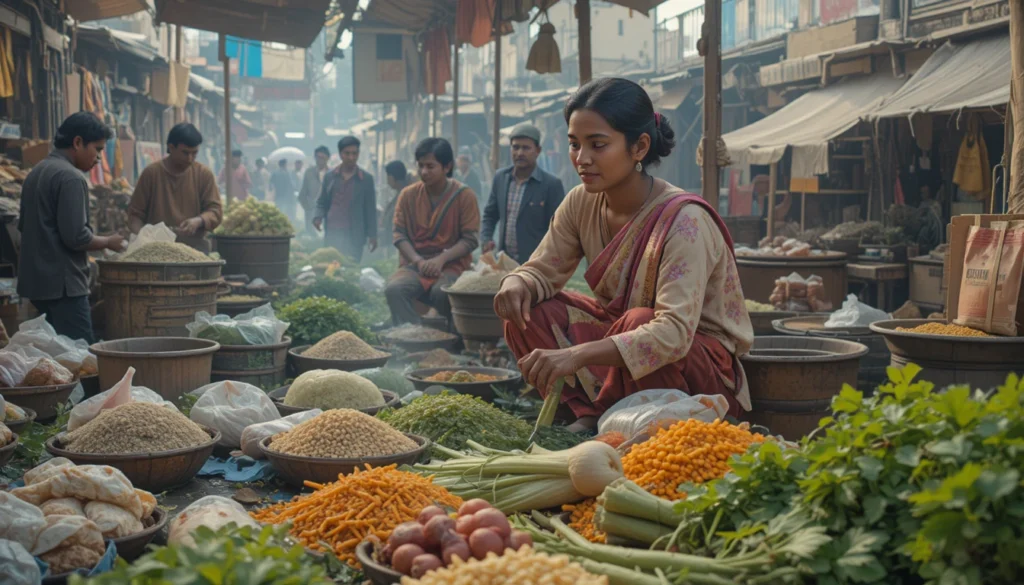
Mapping Your Week to Markets
Monday-Wednesday:
- Gariahat/Maddox Square markets
- Focus: Fresh vegetables, fish
- Strategy: Buy for 3 days max
Thursday-Saturday:
- New Market/Lake Market
- Focus: Specialty items, bulk purchases
- Strategy: Weekend cooking prep
Sunday:
- Local neighborhood markets
- Focus: Bargains, quick needs
- Strategy: Fill gaps, social shopping
The “Layer Purchasing” System
Daily Layer:
- Leafy greens (palong shak, laal shak)
- Fish for today/tomorrow
- Fresh herbs (dhone pata, kadi pata)
3-Day Layer:
- Root vegetables (aloo, begun, potol)
- Cooking essentials (pyaj, rosun, ada)
- Eggs, paneer
Weekly Layer:
- Dal, pulses
- Cooking oils
- Spices
- Frozen needs
Chapter 7: Bengali Food Specific Preservation
Fish: The Kolkata Challenge
Fresh Fish (Day of Purchase):
* Clean immediately
* Marinate if not cooking same day
* Refrigerate with ice pack on top

Leftover Fish Curry:
* Never leave in metal container
* Transfer to glass/ceramic
* Re-boil once daily if keeping
* Best transformed into chops/cutlets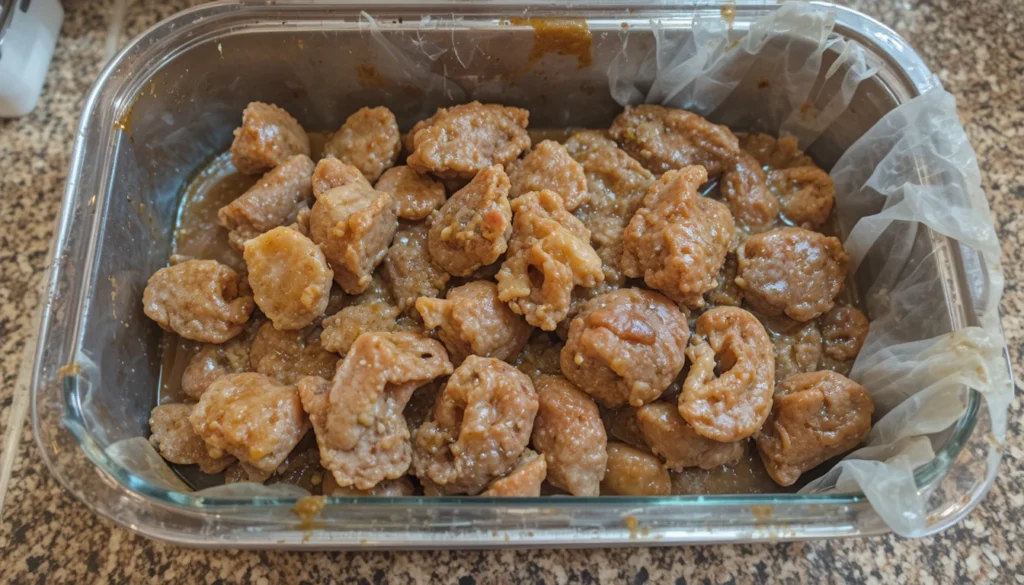
Rice Management
Cooked Rice:
* Cool completely before refrigerating
* Store in shallow container
* Use within 24 hours in Kolkata heat

Leftover Rice Transformations:
1. Fried rice with peas, carrots, eggs
2. Rice pudding (payesh) with milk, cardamom
3. Rice pancakes (pitha) with coconut filling
4. Rice balls in yogurt (dahi bora style)
Sweet Preservation
Rosogolla/Sandesh:
* Store in original syrup/sugar
* Change syrup every 2 days
* Never freeze (texture ruined)

Mishti Doi:
* Keep in clay pot if possible
* Consume within 3 days
* Use leftovers in lassi/smoothies
Chapter 8: The Community Safety Net
Kolkata’s Neighborhood System
The “Fridge Share” During Emergencies:
- Power cut rotation among neighbors
- Elderly/working couples support system
- Festival cooking sharing
The Knowledge Exchange:
- Grandmothers’ preservation techniques
- Market vendor tips (they know best)
- Apartment building collective wisdom
Modern Community Solutions
WhatsApp Groups for Your Building:
Channel 1: Power cut alerts
Channel 2: Market availability updates
Channel 3: Recipe exchanges
Channel 4: Emergency needs
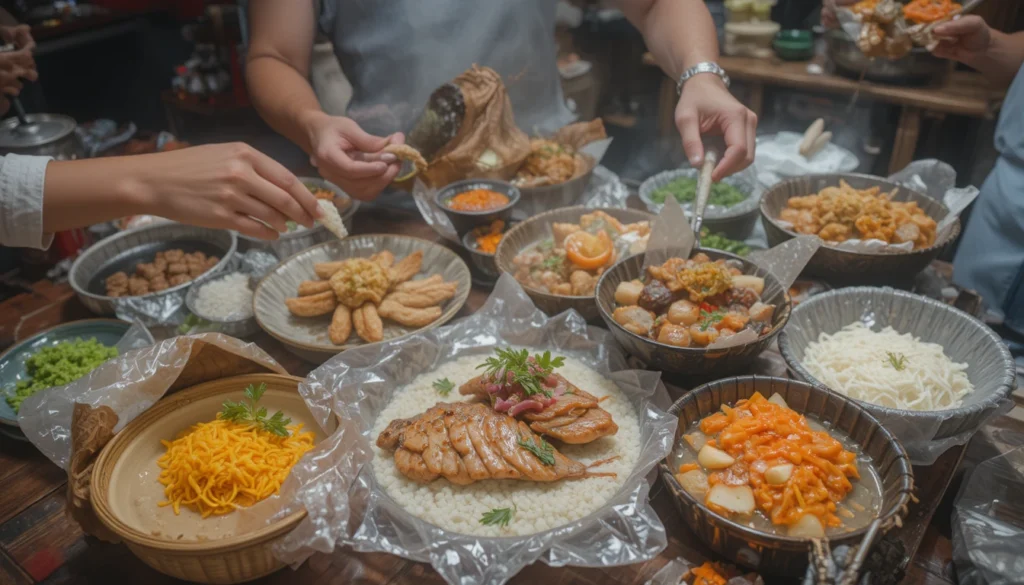
The “Cook Together” Model:
- Weekend community cooking
- Bulk purchase sharing
- Skill exchange (you make fish, I make sweets)
Chapter 9: Technology Meets Tradition
Smart Solutions for Kolkata Kitchens
Budget-Friendly Tech:
- ₹500: Digital thermometer for fridge
- ₹1,000: Humidity monitor for pantry
- ₹2,000: Portable mini cooler for medicines
- ₹3,000: Voltage protector for appliances
Traditional Wisdom Upgrades:
Clay Pot 2.0:
* Terracotta with modern seals
* Natural cooling + hygiene

Hand Fan Strategy:
* Battery-operated fans around fridge
* Improves air circulation

Ice Banking:
* Freeze water bottles during power
* Use as temporary cooling
The Kolkata Kitchen Audit
Monthly Checklist:
- Fridge temperature verification
- Gasket seal check (humidity enters here)
- Condenser coil cleaning
- Food rotation assessment
- Power backup readiness
Chapter 10: Your Kolkata Kitchen Action Plan
This Week’s Implementation
Assessment
- Map your refrigerator zones
- Identify power cut pattern in your area
- Inventory what spoils fastest
Infrastructure
- Buy voltage stabilizer if missing
- Get airtight containers for pantry
- Create “power cut emergency box”
System Setup
- Implement zone strategy in fridge
- Create market day schedule
- Set up community connections
First Transformation
- Take one leftover, transform completely
- Document time/taste results
- Share with neighbor for feedback
Emergency Drill
- Simulate 4-hour power cut
- Practice preservation techniques
- Refine your system
The Kolkata Kitchen Pledge
- I will shop according to market rhythm
- I will use traditional wisdom alongside technology
- I will maintain community food networks
- I will transform before discarding
- I will adapt to Kolkata’s unique challenges
Conclusion: The Kolkata Kitchen Philosophy
Food storage in Kolkata isn’t a chore—it’s a dynamic dance with the city itself. It’s responding to load shedding alerts, smelling the monsoon arriving, feeling the first winter chill, and knowing exactly what that means for your kitchen.
Your refrigerator isn’t just an appliance. It’s your partner in this dance—sometimes leading, sometimes following, always adapting. The leftovers aren’t waste. They’re opportunities for creativity within constraints that are uniquely Kolkata’s.
The true test of a Kolkata cook isn’t making a perfect fish curry. It’s making that fish curry last through a summer power cut, reviving it the next day as something new, and sharing it with a neighbor who’s facing the same challenges.
Start tonight. Look at your kitchen not as a space limited by Kolkata’s challenges, but as a laboratory uniquely equipped to solve them. Your grandmother’s clay pot and your smartphone’s weather app are equally important tools. The market vendor’s advice and the food scientist’s research both matter.
The monsoon will come. The power will cut. The humidity will rise. And your kitchen—with its layered strategies, community connections, and Bengali ingenuity—will be ready.