The Hidden Treasure in Your Kitchen
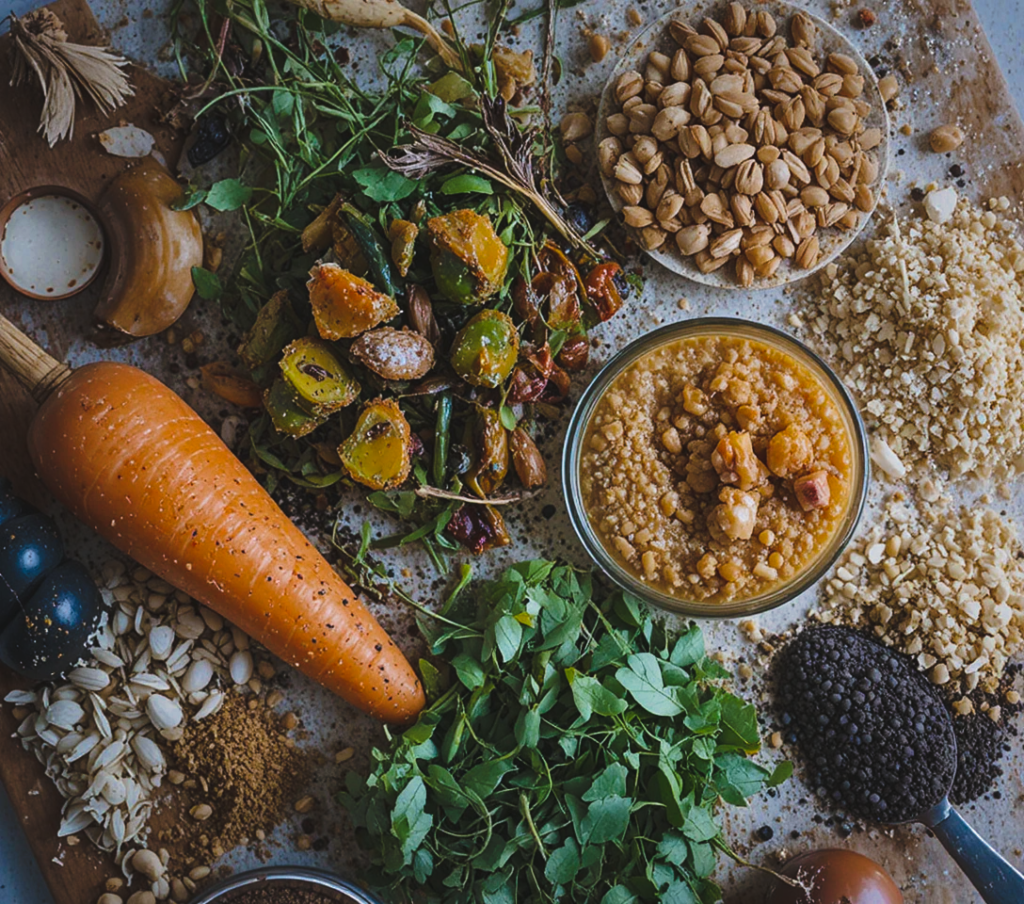
In every kitchen, there exists a secret pantry—one that most cooks overlook entirely. It’s not in your cabinets or refrigerator shelves, but in the ingredients you’ve mentally marked as “past their prime,” “too little to use,” or “not worth saving.” These forgotten foods—the single carrot left in the bag, the heels of bread, the last spoonful of three different dals, the herb stems, the potato peels—hold unexpected potential.
Forgotten food revival isn’t about leftovers in the traditional sense. It’s about rescuing ingredients that never made it to the “first use” stage. It’s a specialized culinary practice that transforms what seems worthless into what becomes wonderful.
The Psychology of Discard: Why We Overlook These Ingredients
Before we dive into techniques, let’s understand why we discard perfectly good food:
-
The Loneliness Factor – Single vegetables or small quantities feel “not enough for a meal”
-
The Aesthetic Bias – Wilted, bruised, or irregular-shaped produce gets rejected
-
The Convenience Trap – Prepping small amounts feels inefficient
-
The Recipe Mindset – We think in complete recipes, not ingredient possibilities
Recognizing these mental barriers is the first step toward becoming a revival expert.
Category 1: The Solitary Survivors
The Last Vegetable Standing
That one potato, lone onion, or single carrot doesn’t need to feel lonely.
Revival Strategy: The Flavor Bomb Base
-
Chop all solitary vegetables small
-
Sauté slowly with garlic and oil
-
Blend with broth or coconut milk
-
Result: Instant soup base, pasta sauce, or curry foundation
Pro Tip: Keep a “solitary vegetables” container in your freezer. Add pieces as they accumulate. When full, you have a ready-made mixed vegetable blend.
The Almost-Empty Jars
The last bits of jam, honey, sauce, or chutney clinging to jars.
Revival Strategy: The Jar Sauce
-
Add 1/4 cup warm water to almost-empty jar
-
Close lid tightly, shake vigorously
-
Pour out flavorful liquid for:
-
Marinades
-
Salad dressings
-
Grain seasoning
-
Soup flavoring
-
Category 2: The “Too Small to Use” Ingredients
End-of-Bag Grains and Lentils
When you have 2 tablespoons of rice, 1/4 cup of dal, and a sprinkle of quinoa.
Revival Strategy: Heritage Grain Blend
Mix all small grain/lentil quantities together. This becomes your signature:
-
Breakfast porridge (cook with milk and spices)
-
Soup thickener
-
Stuffing for vegetables
-
Burger binding agent
The Last 1/4 Cup of Everything
Small amounts of various cooked vegetables, beans, or meats.
Revival Strategy: Fusion Filling
Combine all small quantities with:
-
1 mashed potato or bread slice (binder)
-
Spices
-
1 egg (if non-vegetarian)
Form into patties, croquettes, or stuffing for parathas/samosas.
Category 3: The “Ugly But Edible” Produce
Wilted Greens Revival
Limp spinach, sagging cilantro, or tired fenugreek leaves.
Three-Stage Revival:
-
Ice Water Bath – 15 minutes in icy water restores crispness
-
Quick Blanch – 30 seconds in boiling water, then ice bath
-
Transformation – Blend into pesto, chutney, or soup
Sprouting Potatoes & Onions
They’re still perfectly edible!
Sprouted Potato Strategy:
-
Remove sprouts thoroughly
-
Use for mashed potatoes (texture unaffected)
-
Make potato pancakes
-
Create creamy potato soup
Sprouting Onion Strategy:
-
Plant the sprouted part for green onions
-
Use the onion itself in cooked dishes (flavor remains intact)
Category 4: The “Wrong Part” Ingredients
Herb Stems & Roots
Cilantro roots, fenugreek stems, mint stems—all pack intense flavor.
Revival Method: Stem Paste
-
Wash stems thoroughly
-
Blend with garlic, ginger, and oil
-
Freeze in ice cube trays
-
Use as flavor base for curries, soups, marinades
Vegetable Peels & Skins
Potato peels, carrot skins, cucumber ends.
Transformation Techniques:
-
Crispy Peels: Toss with oil and spices, bake until crisp
-
Flavor Stock: Simmer peels with water for vegetable broth
-
Powdered Nutrition: Dry thoroughly, grind into powder for sneaking into doughs and batters
Category 5: The “Mystery Containers”
The Unknown Freezer Items
Those unlabeled frozen packets from months ago.
Identification & Revival Protocol:
-
Thaw under refrigeration
-
Smell Test – Fresh smell means proceed
-
Visual ID – Determine main ingredient
-
Universal Application:
-
If saucy: Soup or pasta sauce base
-
If solid: Filling for pies, wraps, or mixed fried rice
-
If uncertain: Cook thoroughly with strong spices
-
The Condiment Cemetery
Half-used sauces and pastes crowding fridge doors.
Condiment Resurrection:
Create “Fusion Mother Sauce” by blending:
-
2-3 compatible condiments
-
Fresh garlic/ginger
-
Citrus juice
-
Oil for emulsion
This becomes your signature sauce for grains, proteins, or dipping.
The Forgotten Food Revival Toolkit
Essential Equipment:
-
Small containers for accumulation
-
Blender/grinder for transformations
-
Ice cube trays for freezing small amounts
-
Fine strainer for stocks and juices
-
Parchment paper for easy freezing
Mindset Shifts Required:
-
See potential, not waste
-
Think in components, not complete dishes
-
Embrace imperfection
-
Value small quantities
-
Practice culinary curiosity
Weekly Revival Routine
Daily Habit: Before cooking, check for forgotten ingredients
Tuesday: “Solitary Vegetable” transformation day
Thursday: “Condiment Cleanout” sauce creation
Saturday: “Mystery Container” challenge
Sunday: Plan meals that intentionally create revival opportunities
Nutritional Benefits of Revival Cooking
Revived ingredients often offer surprising benefits:
-
Herb stems contain concentrated nutrients
-
Vegetable peels house fiber and micronutrients
-
Wilted greens retain vitamins when properly revived
-
Small grain mixes provide diverse amino acid profiles
Cultural Wisdom in Modern Kitchens
Our grandmothers practiced food revival instinctively:
-
Indian: Using every part of vegetables (sambar using peels)
-
Italian: Day-old bread in ribollita and panzanella
-
Japanese: Utilizing fish bones for dashi
-
Mexican: Transforming stale tortillas into chilaquiles
This isn’t innovation—it’s remembering.
Environmental Impact: The Math of Small Savings
If each household revived just 100 grams of forgotten food weekly:
-
Monthly savings: 400 grams per household
-
National impact (for 50 million households): 20,000 tonnes monthly
-
Water saved: Approximately 20 billion liters annually
-
Landfill reduction: Equivalent to 800 football fields
Small actions, multiplied, create significant change.
Getting Started: Your First Revival Project
Beginner’s Challenge: The “Almost Empty” Revival
-
Collect all nearly-finished condiment jars
-
Create a fusion sauce
-
Use it in tonight’s dinner
-
Note the satisfaction of “creating from almost nothing”
Intermediate Project: The “Solitary Vegetable” Soup
-
Gather all single vegetables
-
Create a soup without following a recipe
-
Name your creation
-
Share with someone
Advanced Mastery: The “Everything Transformed” Meal
One meal where every element comes from revived ingredients.
The Unexpected Benefits Beyond Food
Practicing food revival develops:
-
Creativity – Working within constraints sparks innovation
-
Resourcefulness – Seeing value where others don’t
-
Mindfulness – Being present with what you have
-
Gratitude – Appreciating food’s journey to your kitchen
-
Confidence – Trusting your culinary instincts
Conclusion: The Revival Revolution
Forgotten food revival isn’t a culinary trend—it’s a return to wisdom. In a world of abundance, we’ve forgotten how to work with scarcity, how to see potential in limitation, how to create from what seems insufficient.
Your kitchen contains more than ingredients; it contains opportunities for creativity, sustainability, and connection to culinary traditions that valued every leaf, stem, and peel..