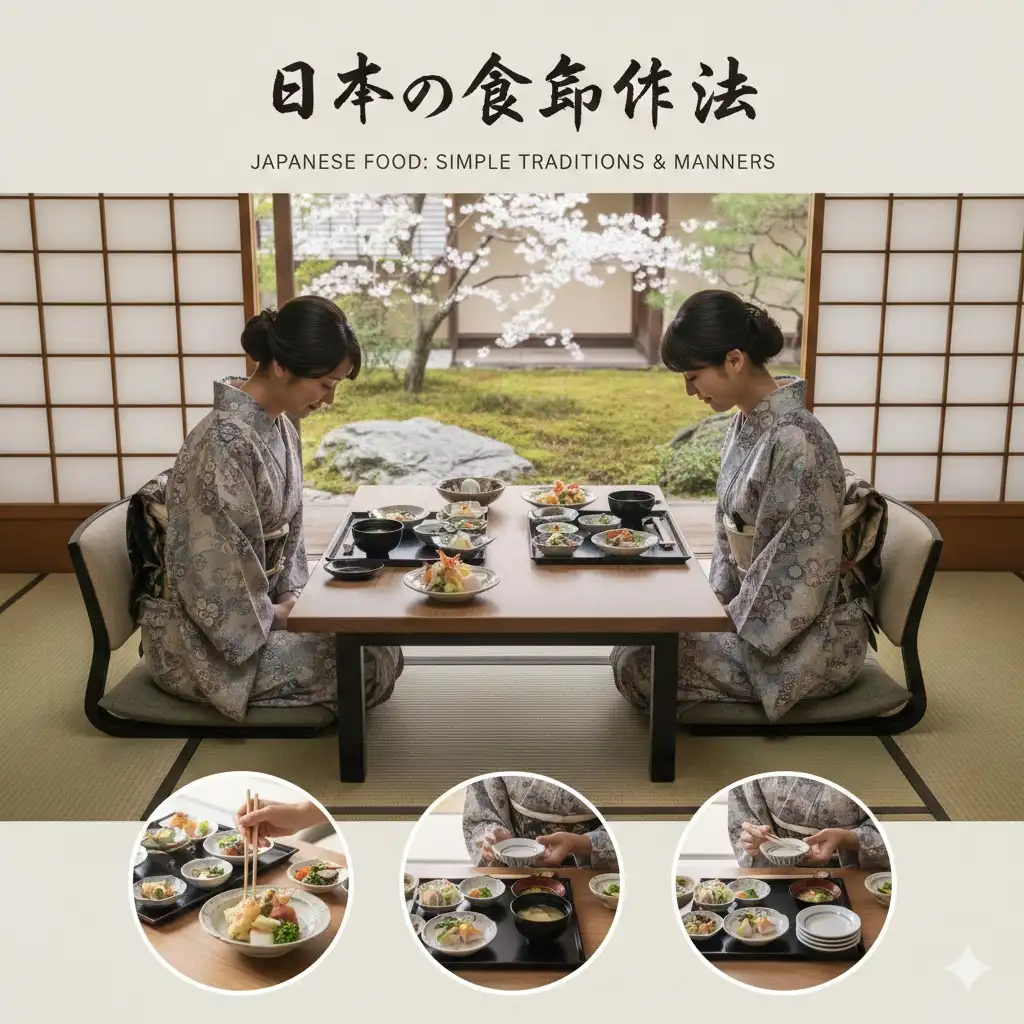
Custom in Japanese Food looks simple. A bowl of rice. A piece of fish. A quiet table. But behind that calm surface lives a deep world of rules, habits, and values.
And here’s the thing. Still, you still eat, If you do n’t know the customs, you still eat. You still enjoy. But when you understand them, food feels different. Slower. Warmer. More human.
This guide explains custom in Japanese food in clear, easy English. No stiff language. No textbook tone. real explanations, real examples, and real-life use.
You’ll also learn how Ijapanese food service works. why manners matter so much, and how these customs shape daily life in Japan.
Why Japanese Food Customs Matter
People don’t rush meals. They don’t waste food. They don’t treat eating as background noise.
Japanese food customs teach three core ideas:
- Respect for food
- Respect for people
- Respect for nature
These ideas guide home cooking, restaurants, street food, and formal dining.
And yes, they shape Ijapanese food service from top to bottom.
The Heart of Japanese Food Culture
Japanese food customs come from history, religion, and diurnal life.
Key influences include:
- Shinto beliefs about nature
- Buddhist ideas of mindfulness
- Farming traditions based on seasons
- Community-focused living
Over time, these influences formed clear food habits. Some feel strict. Some feel gentle. All feel meaningful.
Itadakimasu: The Start of Every Meal
Before eating, people say itadakimasu.
This word does not mean “enjoy your meal.” It means “I receive this with gratitude.”
You thank:
- The cook
- The farmer
- The animal or plant
- Nature itself</span>
In Ijapanese food service, staff often pause before meals begin. This moment sets the tone. Calm. Respectful. Present.
Gochisousama: The Proper Ending
After eating, people say gochisousama deshita.
It means “thank you for the meal.”
This habit teaches a simple lesson. Food takes effort. Someone worked for it.
In restaurants, customers often say this to staff. Staff bow slight. No rush. No noise.
Chopstick Customs You Must Know
Chopsticks look simple. But they carry strong meaning.
Never Do These Things
- Stick chopsticks upright in rice
- Pass food from chopstick to chopstick
- Point at people with chopsticks
- Rub disposable chopsticks together
These actions connect to funerals or disrespect.
What You Should Do
- Place chopsticks neat when resting
- Use the back end for shared dishes
- Move food gent
In Ijapanese food service, staff notice chopstick manners quiet. They don’t correct you. But they notice. Zero Waste Cooking A Simple
Why Silence at the Table Is Normal
Japanese meals often feel quiet.
This silence does not mean boredom. It means focus.
People pay attention to:
- Taste
- Texture
- Temperature
Talking happens. Laughing happens. But food stays at the center.
The Noodle Exception
Slurping noodles is fine. It shows enjoyment. It cools hot food.
So yes, silence has rules too.
Lifting Bowls Is Good Manners
In many cultures, lifting bowls feels rude. In Japan, it feels correct.
People lift:
- Rice bowls
- Soup bowls
- Small side dishes
This habit:
- Keeps posture clean
- Reduces spills
- Shows respect
In Ijapanese food service, bowls sized for lifting. This design supports the custom.
Rice Is Not Food
Rice holds deep meaning in Japan.
For centuries, rice meant:
- Wealth
- Survival
- Power
Even today, rice gets special care.
Rice Customs
- Do not leave rice behind
- Do not pour soy sauce on plain rice
- Eat rice as it comes
Rice supports other dishes. It does not compete.
Seasonal Eating and the Idea of Shun
Shun means eating food at its best season.
Not early. Not late. Right now.
Spring vegetables. Summer fish. Autumn mushrooms. Winter roots.
Restaurants change menus often. Home cooks follow nature’s calendar.
This habit keeps food fresh and meaningful.
In Ijapanese food service, seasonal menus show skill and care.
Food Presentation Is Part of the Meal
Japanese food looks calm and balanced.
This comes from kaiseki traditions.
Key ideas include:
- Balance of color
- Balance of shape
- Use of empty space
Food should feel natural. Not crowded.
Plates change with seasons. Colors match weather and mood.
Shared Dishes, Personal Respect
Many meals include shared plates.
But grabbing free feels rude.
Customs include:
- Taking small portions
- Using serving utensils
- Avoiding digging for favorites
This habit supports harmony.
In Ijapanese food service, shared dishes come with clear tools and layout.
Drinking Customs at the Table
Alcohol has its own rules.
The most important rule is simple.
Do not pour your own drink.
You pour for others. They pour for you.
This keeps everyone connected.
Refusing alcohol allowed. But people do it gentl.
Fast Food and Modern Life
Japan has fast food. Japan has convenience stores.
Customs still exist.
People:
- Eat quiet
- Avoid walking while eating
- Sort trash carefull
Even quick meals follow respect-based habits.
Ijapanese food service adapts customs to speed without losing meaning.
Eating Alone Is Normal
Solo dining is common in Japan.
Ramen shops even design booths for one person.
Eating alone does not mean loneliness. It means independence.
Food still deserves care, even without company.
Common Mistakes Visitors Make
Mistakes happen. That’s okay.
Common errors include:
- Wrong chopstick use
- Talking too loud
- Mixing sauces incorrect
Most people forgive mistakes quick.
Effort matters more than perfection.
Best Practices to Follow
Use these habits to blend in easy:
- Watch others before acting
- Eat slow
- Say thank you
- Keep the table clean
These simple steps show respect.
Pros and Cons of Strict Food Customs
Pros
- Creates calm meals
- Reduces waste
- Builds gratitude
- Improves food quality
Cons
- Feels confusing at first
- Can feel strict to outsiders
Over time, benefits outweigh discomfort.
How Japanese Food Customs Shape Service Quality
Japanese food service feels smooth for a reason.
Customs guide:
- How staff greet guests
- How food arrives
- How tables stay clean
Staff act quiet but efficient.
This system builds trust and comfort.
Tips for Travelers and Learners
- Learn basic phrases
- Observe before copying
- Ask polite questions
- Relax and enjoy
You don’t need perfection. You need respect.
Future of Japanese Food Customs
Modern life changes habits. But core values stay.
Young people adapt customs to busy lives. Restaurants blend tradition with innovation.
Ijapanese food service continues to lead the world in care-based dining.
Conclusion: More Than Rules, It’s a Mindset
Custom in Japanese food is not about fear of mistakes.
It’s about awareness.
Try one custom today. Slow down. Say thank you. Taste full.
Food feels different when you do.
Frequent Asked Questions Custom in Japanese Food
What is the most important custom in Japanese food
Gratitude matters most. Saying itadakimasu and gochisousama shows respect. These words frame the meal from start to finish. They remind people that food has value.
In Japanese culture, this habit begins at home and continues in restaurants. Ijapanese food service treats gratitude as a core standard.
Why do Japanese people eat quiet
Quiet eating shows focus and respect. People want to taste food full. Silence helps them stay present.
This habit also keeps shared spaces calm. Restaurants feel peaceful, even when full.
Is slurping noodles rude in Japan
No, slurping is acceptable for noodles. It shows enjoyment and helps cool hot food Many locals do it.
In noodle shops, silence without slurping can feel odd.
Can foreigners break food customs
Yes, mistakes happen. Most people understand. Effort matters more than perfect behavior.
Trying to learn shows respect. That matters most.
Why is rice treated so carefull
Rice holds deep cultural and historical value. It supported life for centuries.
Wasting rice feels disrespectful because it represents effort and nature.
What should I never do with chopsticks
Never stick chopsticks upright in rice. Never pass food between chopsticks. These actions connect to funerals.
Always place chopsticks neat when resting.
Is eating while walking rude in Japan
Yes, in most cases. Eating deserves attention. Walking while eating feels careless.
People prefer stopping, eating, and then moving on.
How does Japanese food service feel so efficient
Customs guide behavior. Staff move with purpose. Guests cooperate silent.
This shared understanding creates smooth service.
Do young people still follow food customs
Yes, but in flexible ways. Core habits remain strong.
Tradition adapts without disappearing.
What is shun in Japanese food
Shun means eating food at its seasonal best. This idea keeps food fresh and meaningful.
Menus change often to match nature.
Is Japanese food etiquette strict
It feels structured but gentle. People guide behavior through example, not rules.
Awareness matters more than correction.
How can I respect Japanese food customs easy
Watch others. Eat slow. Say thank you. Keep things clean.
These small actions go a long way.