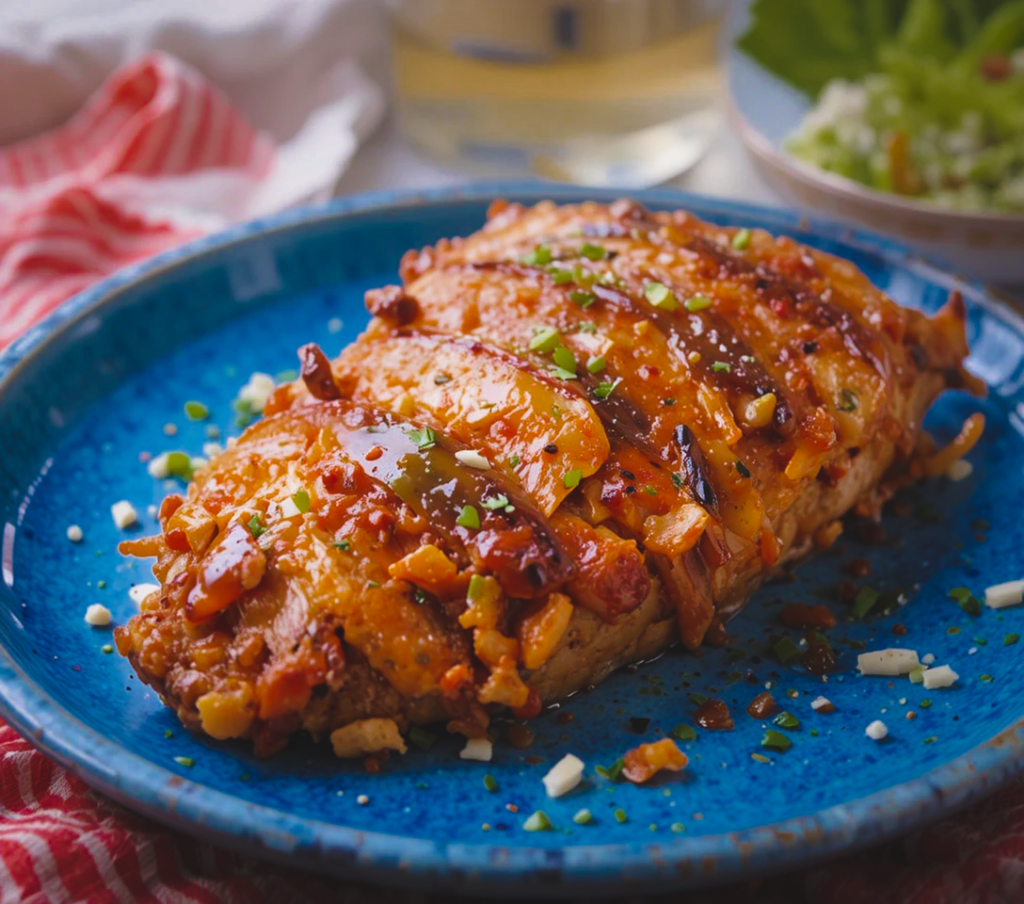
The art of leftover transformation isn’t one-size-fits-all. Each food category—proteins, grains, vegetables, breads, dairy, and condiments—requires specialized techniques, understanding, and creative approaches. Professional chefs and resourceful home cooks recognize that successful transformation begins with category intelligence: knowing not just what you have, but what category it belongs to, and what rules govern its successful revival.
This comprehensive guide breaks down food transformation into six distinct categories, providing you with specialized knowledge that will transform your approach to leftovers forever. Whether you’re dealing with yesterday’s roast chicken or last week’s bread ends, you’ll find category-specific solutions that respect the unique properties of each food type.
Protein Transformation – The Second Act Strategy
Understanding Protein Behavior
Science Behind Protein Leftovers:
-
Proteins undergo further denaturation when cooled and reheated
-
Moisture loss is the primary challenge
-
Flavor concentration often improves with time
Safety First – Protein Protocols:
-
Maximum refrigeration: 3-4 days
-
Reheat to internal temperature of 165°F (74°C)
-
Avoid repeated reheating cycles
Transformation Techniques by Protein Type:
Poultry (Chicken, Turkey):
-
Shredded Applications: Tacos, sandwiches, salads, wraps
-
Diced Transformations: Fried rice, pasta dishes, pot pies
-
Creamy Reincarnations: Chicken salad (with Greek yogurt, celery, grapes), creamy soups, enchiladas
-
Crispy Revivals: Shred and crisp in skillet for tacos or salads
Red Meats (Beef, Pork, Lamb):
-
Thin-Slice Strategy: Sandwiches, wraps, steak salads
-
Chop and Incorporate: Chili, shepherd’s pie, fried rice
-
Shredded Approach: BBQ sandwiches, loaded potatoes, omelets
-
Breakfast Integration: Hash, breakfast burritos, frittatas
Fish and Seafood:
-
Gentle Handling Required: Flake, don’t chop
-
Cold Applications: Seafood salads, sushi rolls, pasta salads
-
Warm Transformations: Fish cakes, chowders, seafood pasta
-
Baked Options: Seafood au gratin, stuffed peppers
Plant Proteins (Tofu, Tempeh, Lentils):
-
Texture Re-engineering: Marinate and bake/pan-fry
-
Blended Creations: Burgers, meatballs, loaf
-
Creamy Transformations: Dips, spreads, sauce bases
-
Crispy Applications: Tofu croutons, tempeh bacon bits
Professional Protein Transformation Formula:
Original Form → Texture Modification → Flavor Enhancement → New Application
Example: Roast chicken → Shred → Toss in BBQ sauce → BBQ chicken pizza topping
Grain & Starch Transformation – The Textural Revolution
The Science of Starch Retrogradation
Why Leftover Grains Transform Better:
-
Cooled starches realign into crystalline structures
-
Improved oil absorption capacity
-
Better separation for fried applications
Category-Specific Techniques:
Rice Varieties:
-
Fried Rice Excellence: Day-old rice is ideal
-
Rice Pancakes/Cakes: Bind with egg, form patties
-
Rice Pudding Evolution: Sweet or savory versions
-
Soup Integration: Thickening agent or ingredient
Pasta & Noodles:
-
Pasta Frittata: Italian classic transformation
-
Pasta Bake: Layer with sauce and cheese
-
Cold Pasta Salad: Perfect for next-day lunch
-
Pasta Soup: Add to broth with vegetables
Bread Products:
-
Stale Bread Solutions:
-
Breadcrumbs (seasoned or plain)
-
Croutons (baked or fried)
-
Bread pudding (sweet or savory)
-
Panzanella (Italian bread salad)
-
-
Specific Bread Types:
-
Baguette: Bruschetta, French toast sticks
-
Sliced Bread: Strata, bread casserole
-
Tortillas: Chips, casserole layers, soup garnish
-
Potatoes (All Forms):
-
Mashed Potatoes:
-
Potato pancakes/cakes
-
Shepherd’s pie topping
-
Soup thickener
-
Bread dough addition
-
-
Roasted/Baked Potatoes:
-
Breakfast hash
-
Potato salad
-
Soup addition
-
Frittata filling
-
-
French Fries/Home Fries:
-
Breakfast burritos
-
Loaded fry nachos
-
Chop for potato salad
-
Grain Transformation Principle:
Moisture Management + Structural Reengineering = Successful Transformation
Vegetable Transformation – The Color & Crunch Revival
Understanding Vegetable Categories:
Leafy Greens:
-
Revival Technique: Ice water bath (10-15 minutes)
-
Transformations: Pesto, soups, smoothies, saag
-
Cooked Leafy Leftovers: Frittata filling, pasta addition, stuffed bread
Cruciferous Vegetables (Broccoli, Cauliflower):
-
Texture Revival: Quick blanch or roast
-
Transformations: Creamed vegetables, soups, fritters, casseroles
-
Mashed Options: Mix with potatoes for colcannon
Root Vegetables:
-
Re-crisping Method: Oven at 400°F for 10-15 minutes
-
Transformations: Hash, vegetable cakes, soup purees
-
Roasted Vegetable Leftovers: Pasta sauce, pizza topping, quiche filling
Nightshades (Tomatoes, Peppers, Eggplant):
-
Moisture Management: Drain if too watery
-
Transformations: Sauce, caponata, ratatouille, stuffed vegetables
-
Grilled/Roasted Leftovers: Sandwich spread, dip base, pasta addition
Professional Vegetable Revival System:
Assessment
-
Texture evaluation
-
Moisture content check
-
Flavor concentration
Technique Selection
-
Re-crisp (oven/air fryer)
-
Puree (soups/sauces)
-
Incorporate (composite dishes)
Application
-
Standalone dish
-
Component in larger dish
-
Sauce or garnish
Sauces, Soups & Liquid Leftovers
The Concentration Principle
Sauce Transformations:
-
Thick Sauces: Soup base, pasta bake sauce, pizza sauce
-
Thin Sauces: Marinade, cooking liquid, dressing base
-
Gravies: Pot pie filling, poutine sauce, biscuit topping
Soup Revival Strategies:
-
Thicken: Add pureed vegetables or roux
-
Thin: Add broth or cream
-
Transform: Use as sauce base, cooking liquid for grains
-
Reinvent: Add new ingredients for different soup
Broth & Stock Leftovers:
-
Freeze in ice cube trays for future use
-
Cook grains in flavored broth
-
Use as soup or sauce base
Sauce Transformation Formula:
Original Sauce + Complementary Ingredients + Texture Adjustment = New Creation
Dairy & Egg Transformations
Dairy Category Management:
Cheese Odds & Ends:
-
Hard Cheeses: Grate and freeze for future use
-
Soft Cheeses: Make cheese spread or dip
-
Multiple Varieties: Create “fridge cleanout” mac and cheese
Milk & Cream Nearing Expiration:
-
Make paneer (Indian cheese)
-
Create creamy soups or sauces
-
Bake custards or puddings
Yogurt & Sour Cream:
-
Marinade base for proteins
-
Baking substitute for oil/butter
-
Sauce or dip base
Egg-Based Leftovers:
-
Hard-boiled Eggs: Egg salad, deviled eggs, sandwich filling
-
Omelet/Frittata Pieces: Salad topping, sandwich filling
-
Quiche: Reheat slices or crumble for salad
Composite Dish Transformations
When Entire Meals Need Reinvention
Casserole Leftovers:
-
Individual Portions: Scoop and reheat in ramekins
-
Deconstruct: Use components separately
-
Transform: Add to soup or turn into pot pie
Pizza Next-Day Strategies:
-
Skillet Reheat: For crispy crust
-
Frittata Base: Cube and bake with eggs
-
Crouton Creation: Bake until crisp for salad topping
Stir-fry & Curry Reinvention:
-
Fried Rice Addition: Mix with fresh rice
-
Wrap Filling: Combine with fresh vegetables
-
Soup Enhancement: Add broth and noodles
Sandwich & Wrap Revivals:
-
Deconstruct: Use fillings in salads or omelets
-
Toast/Bake: Panini or melt transformation
-
Casserole Layer: Use as casserole component
Specific Equipment Recommendations
Essential Tools by Category:
Proteins:
-
Meat thermometer (critical for safety)
-
Shredding claws or forks
-
Vacuum sealer for freezing
Grains:
-
Rice paddle for fried rice
-
Non-stick skillet
-
Baking sheets for crisping
Vegetables:
-
Vegetable steamer
-
Immersion blender for purees
-
Mandoline for uniform slicing
Breads:
-
Bread knife for clean cuts
-
Baking stone for reheating
-
Food processor for breadcrumbs
The Professional’s Category Cross-Reference Matrix
How Categories Work Together:
| Primary Leftover | Companion Category | Resulting Dish |
|---|---|---|
| Roast Chicken (Protein) | Stale Bread (Grain) | Chicken Salad Sandwich |
| Cooked Rice (Grain) | Leftover Vegetables | Vegetable Fried Rice |
| Roasted Vegetables | Eggs (Dairy) | Vegetable Frittata |
| Pasta (Grain) | Tomato Sauce (Sauce) | Pasta Bake |
| Chili (Composite) | Cornbread (Grain) | Chili Cornbread Casserole |
Food Safety by Category
Category-Specific Guidelines:
High-Risk Categories (3-4 day limit):
-
Proteins (especially poultry and seafood)
-
Dairy-based dishes
-
Cooked rice (special attention required)
Medium-Risk Categories (4-5 day limit):
-
Vegetable dishes
-
Grain-based meals
-
Bread products
Lower-Risk Categories (5-7 day limit):
-
Pickled or fermented items
-
Very dry items (crackers, certain breads)
-
High-sugar or high-salt preserves
The Transformation Mindset by Category
Developing Category Intelligence:
Ask These Questions:
-
What category does this belong to?
-
What are this category’s transformation rules?
-
What techniques work best for this category?
-
What safety considerations apply?
-
What complementary categories would enhance transformation?
Weekly Category Rotation System
Balanced Transformation Practice:
Monday: Protein Focus Day
Tuesday: Grain & Starch Revival
Wednesday: Vegetable Transformation
Thursday: Sauce & Soup Reinvention
Friday: Composite Dish Creativity
Saturday: Category Cross-Training
Sunday: Planning & Preparation
Advanced Category Techniques
Professional Methods for Home Cooks:
Protein: Sous vide reheating for perfect temperature control
Grains: Par-cooking for multiple future applications
Vegetables: Blanch-freeze method for preserved freshness
Breads: Staling acceleration for certain applications (bread pudding)
Sauces: Reduction and fortification techniques
The Environmental Impact by Category
Waste Reduction Statistics:
-
Proteins: Most valuable category to save (highest environmental cost)
-
Grains: Often wasted in large quantities
-
Vegetables: Quickest to spoil, regular transformation prevents loss
-
Breads: Surprisingly high waste category in many households
Category-Based Meal Planning
Strategic Leftover Creation:
Intentional Overproduction by Category:
-
Always cook extra grains (most versatile)
-
Roast additional vegetables (multiple applications)
-
Prepare more protein than needed (freezes well)
-
Make larger batches of sauce (freezes perfectly)
Conclusion: Mastering the Categorical Approach
Transforming leftovers isn’t a single skill—it’s six different skills, each corresponding to a food category. By developing category intelligence, you move from random experimentation to strategic transformation. You understand not just what to do, but why it works for that specific category.
The most successful leftover transformers aren’t just creative—they’re categorically literate. They know that proteins need moisture management, grains benefit from retrogradation, vegetables require texture revival, and each category has its own rules, techniques, and best practices.
Your Category Mastery Challenge:
This Month: Focus on one category each week
-
Week 1: Master protein transformations
-
Week 2: Conquer grain and starch revivals
-
Week 3: Excel at vegetable transformations
-
Week 4: Integrate all categories seamlessly
Remember: In the world of food transformation, categories aren’t limitations—they’re guidelines. They’re the framework within which creativity flourishes. They’re the knowledge base that makes your transformations consistently successful.
By understanding food categories, you don’t just transform leftovers—you transform your entire approach to cooking, waste reduction, and culinary creativity. You become not just a cook who uses leftovers, but a culinary strategist who masters them, category by category