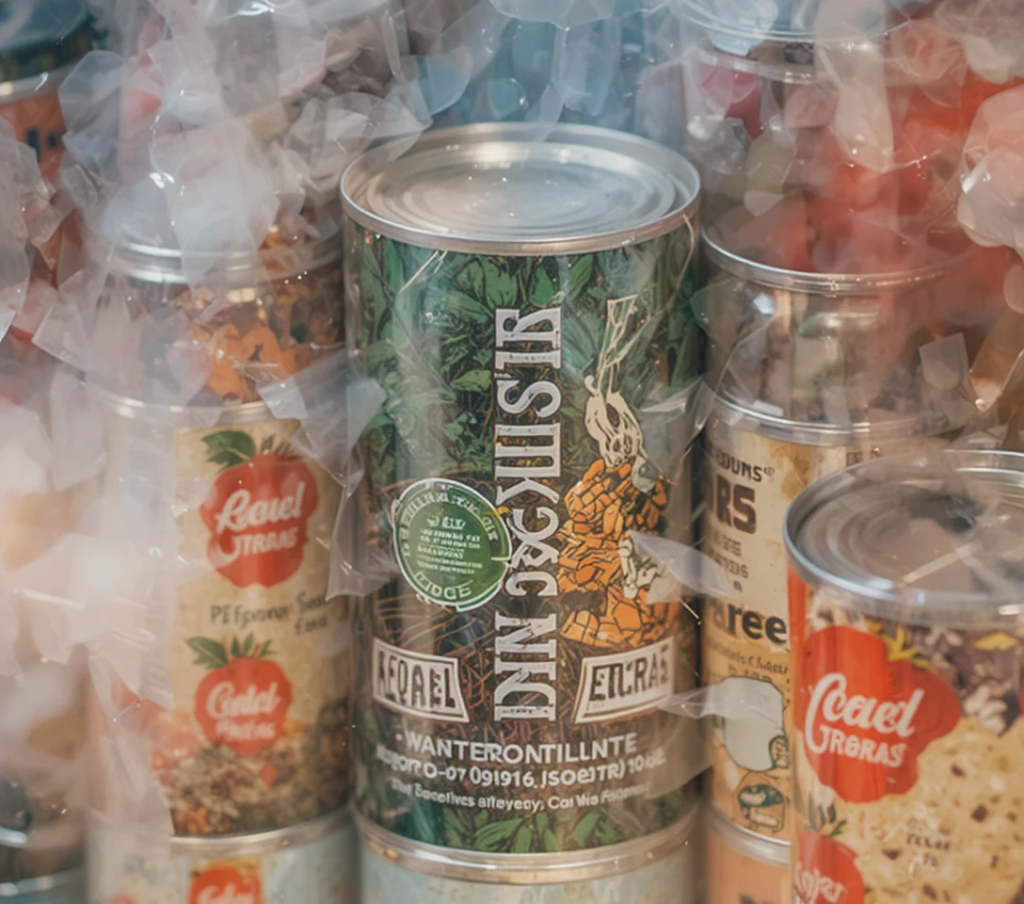
Yes, you can recycle food cans. In fact, they’re one of the most recyclable items in your kitchen. But there’s a right way and a wrong way to do it. This guide covers everything you need to know about recycling food cans correctly.
The Short Answer
Yes, you can and should recycle food cans. Both steel and aluminium food cans are 100% recyclable and can be turned into new products infinitely without losing quality.
Zero Waste Cooking A Simple Way to Eat Better and Waste Less
What Types of Food Cans Are Recyclable?
✅ YES – Recycle These:
-
Steel cans (soup, vegetables, tuna, pet food) – Use a magnet to check
-
Aluminium cans (soda, beans, broth, canned fruit)
-
Empty aerosol cans (completely empty, remove plastic caps)
-
Clean aluminium foil and trays
-
Metal lids (if larger than 3 inches)
❌ NO – Don’t Recycle These:
-
Dirty or food-contaminated cans
-
Painted or chemically-treated cans (unless specified)
-
Cans with hazardous materials (paint, pesticides)
-
Crushed steel cans with sharp edges (safety hazard)
-
Paper labels (they burn off during processing)
Step-by-Step: How to Recycle Food Cans Correctly
1. Empty Completely
Remove all food contents. Scrape out every bit.
2. Rinse Thoroughly
Use leftover dishwater or a quick water rinse. No soap needed. Cans don’t need to be spotless, just free of major food residue.
3. Check with Magnet
-
Sticks = Steel can – Leave as-is
-
Doesn’t stick = Aluminium can – Crush to save space
4. Prepare for Recycling
-
Remove plastic lids (trash these)
-
Put small steel lids inside can and pinch closed
-
Keep labels on (they burn off during melting)
-
Place cans loosely in bin – NO plastic bags
Why Proper Preparation Matters
Contamination is the #1 problem in recycling. One dirty can can ruin an entire batch:
The Domino Effect:
-
Food residue attracts pests at recycling facilities
-
Liquid contaminates paper and cardboard
-
Entire loads get sent to landfill
-
Cities pay higher processing fees
-
Recycling becomes less economical
The Fix: A 30-second rinse prevents all these problems.
Steel vs. Aluminium: Know the Difference
| Feature | Steel Food Cans | Aluminium Cans |
|---|---|---|
| Magnet Test | Sticks strongly | Does not stick |
| Common Items | Soup, vegetables, tuna | Soda, beans, fruit |
| To Crush? | No – leave intact | Yes – crush to save space |
| Recycling Rate | ~70% in US | ~50% in US |
| Energy Saved | 75% less than new | 95% less than new |
Special Cases and Exceptions
Pet Food Cans
Rinse EXTRA thoroughly. Strong odors linger and can contaminate other materials.
Coffee Cans
Metal can = recyclable
Plastic lid = check local rules (usually trash)
Paper label = leave on
Aerosol Cans
Must be COMPLETELY empty. Remove plastic caps. Check local guidelines – some areas treat as hazardous waste.
Canned Goods with Dents
Recyclable if they hold their shape. Severely damaged cans should go in trash.
The Recycling Journey: Where Your Can Goes
Week 1: Your clean can gets collected and taken to a MRF (Materials Recovery Facility).
At the Facility:
-
Magnets separate steel cans
-
Eddy currents separate aluminum
-
Optical scanners check for contamination
-
Workers do final quality control
Week 2: Cans are shredded, melted at 2,800°F, and formed into ingots.
Week 6-8: Ingots become sheets, then new cans or other products.
Your old soup can could be back on shelves as a new can in 60 days.
Environmental Impact: By the Numbers
-
Recycling 1 aluminum can saves enough energy to power a TV for 3 hours
-
Making aluminium from recycled cans uses 95% less energy than virgin materials
-
Recycling all US aluminium cans would save the energy equivalent of 16 million barrels of crude oil
-
Steel cans contain approximately 25% recycled content already
-
The average American recycles 300+ cans annually
Common Recycling Mistakes to Avoid
Mistake 1: The “Toss It In” Approach
Putting dirty cans in recycling “hoping for the best.” This guarantees contamination.
Mistake 2: Bagging Recyclables
Plastic bags jam sorting machinery. Workers must cut them open or send entire bags to landfill.
Mistake 3: Not Checking Local Rules
Recycling rules vary by city. Always check your municipality’s specific guidelines.
Mistake 4: “Wishcycling”
Adding non-recyclable items “just in case.” When in doubt, throw it out.
Pro Tips for Easy Recycling
Create a System:
-
Keep a small container by the sink for cans
-
Rinse when you wash dishes
-
Crush aluminium cans weekly
-
Have a magnet on your fridge for quick checks
Involve the Family:
-
Make the magnet test a game for kids
-
Let teenagers be responsible for crushing cans
-
Track how many cans you recycle monthly
When Traveling:
If you can’t rinse properly, throw cans in regular trash. Better than contaminating public recycling streams.
FAQs About Recycling Food Cans
Q: Do I need to remove paper labels from cans?
A: No. Labels burn off during the melting process at 2,800°F.
Q: Can I recycle cans with the pull-tab still attached?
A: Yes. The tab is the same metal as the can.
Q: What about cans with plastic lining inside?
A: The thin plastic coating burns off during melting. Recyclable.
Q: Are crushed cans harder to recycle?
A: No. Crushed aluminium cans are actually preferred. Steel cans should remain intact.
Q: Can I recycle rusty cans?
A: Minor surface rust is OK. Heavily corroded cans should be trashed.
Q: What happens if I make a mistake?
A: Better to put a questionable can in trash than ruin a recycling batch. One contaminated item can spoil hundreds of good ones.
The Bigger Picture: Your Impact
When you recycle food cans correctly, you:
Save Energy: Recycling metals uses significantly less energy than mining and processing new materials.
Reduce Mining: Less need for destructive bauxite (aluminium) and iron ore (steel) mining.
Support Jobs: The US recycling industry employs over 500,000 people.
Lower Emissions: Metal recycling produces far fewer greenhouse gases.
Close the Loop: Creating a circular economy where materials stay in use.
Take the 7-Day Can Recycling Challenge
Day 1: Start rinsing every can
Day 2: Do the magnet test on 5 cans
Day 3: Crush your aluminium cans
Day 4: Check your local recycling rules online
Day 5: Teach one person the proper method
Day 6: Set up a dedicated can recycling spot
Day 7: Notice how little space cleaned cans take
Conclusion: More Than Just Tossing a Can
Recycling food cans isn’t about following arbitrary rules. It’s about participating in a system that conserves resources, saves energy, and reduces waste.
That simple act of rinsing a can? It’s a vote for efficiency. A choice for sustainability. A small habit with big consequences.
The metal in your food can has been around for millions of years. It’ll be here millions more. You decide: will it sit in a landfill, or will it live again as something new?
Start today. Rinse one can. Do the magnet test. Feel the difference that comes from knowing you’re doing it right. Because in the world of recycling, there are no small actions—only small habits that create big change.