Zero Waste Cooking A Simple Way to Eat Better and Waste Less
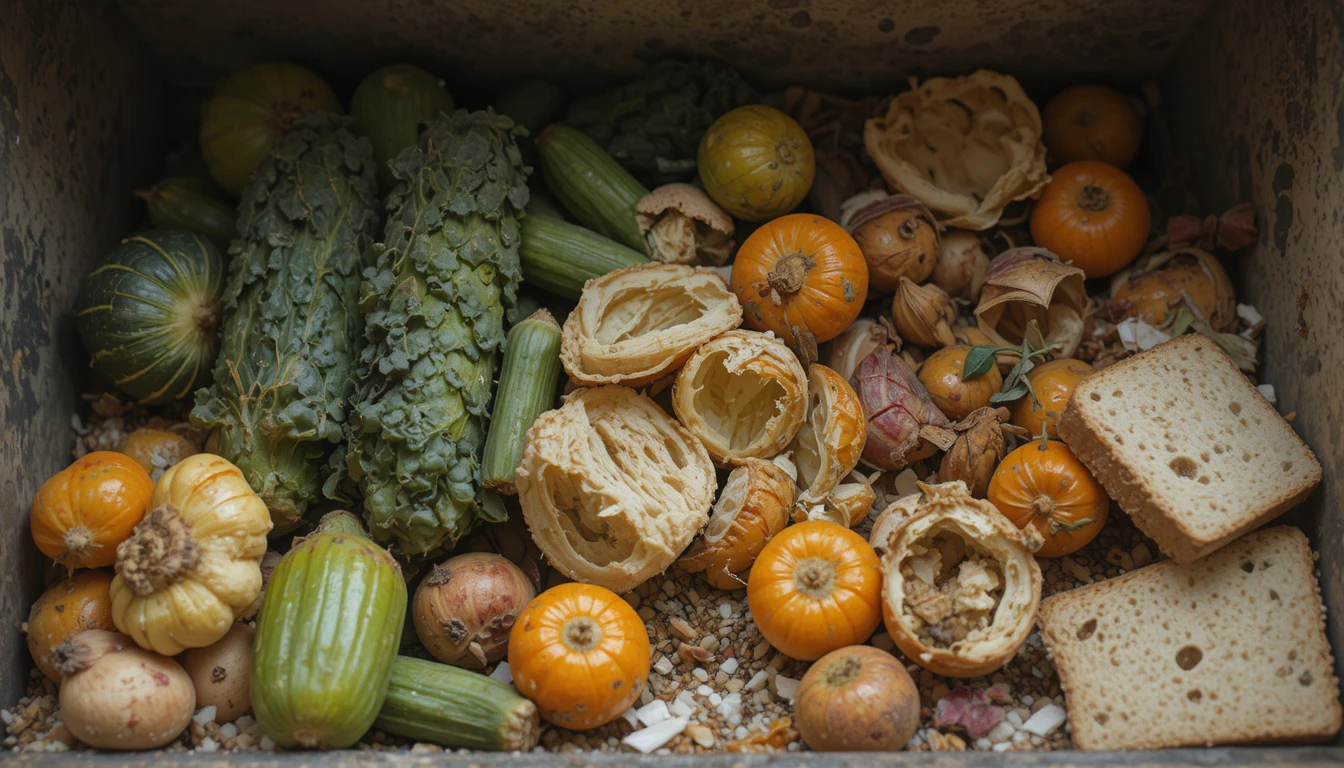
Most kitchens create waste without meaning to Vegetable peels go into the bin. Leftover rice dries out. Bread gets hard and forgotten.
It happens in busy homes everywhere.
Zero waste cooking is not about being perfect. It is about being aware. It means using food fully and with respect. When space is small and time is limited, this approach feels even more helpful.
People who love calm homes and thoughtful living often fall in love with this style of cooking. It saves money reduces stress makes meals feel more meaningful. Custom in Japanese Food Traditions Manners.
Once you start, it feels natural.
What Zero Waste Cooking Really Means
Zero waste cooking means using as much of your food as possible.
It does not mean fancy recipes and strict rules.
It simply means thinking before throwing things away.
Stems Peels Leftovers Scraps
Many of these still have value.
This way of cooking fits real life kitchens. Especially small ones.
Why People Are Choosing This Way of Cooking
Modern life creates too much waste.
Food costs more. Storage space is limited. Time feels short.
Zero waste cooking helps balance all of this.
You shop smarter cook calmer and clean less.
It also creates a deeper connection with food. You notice textures. Smells. Colors. Nothing feels rushed.
Starting With What Is Already in Your Kitchen
The best place to start is your fridge.
Look at what is inside.
Half a lemon Soft vegetables Cooked grains Sauces in small jars
Ask one simple question.
Can this still be eaten today or tomorrow?
This small habit changes everything.
Using Vegetable Scraps in Smart Ways
Vegetable scraps are full of flavor.
Carrot peels Onion ends Celery leaves
These make wonderful stock.
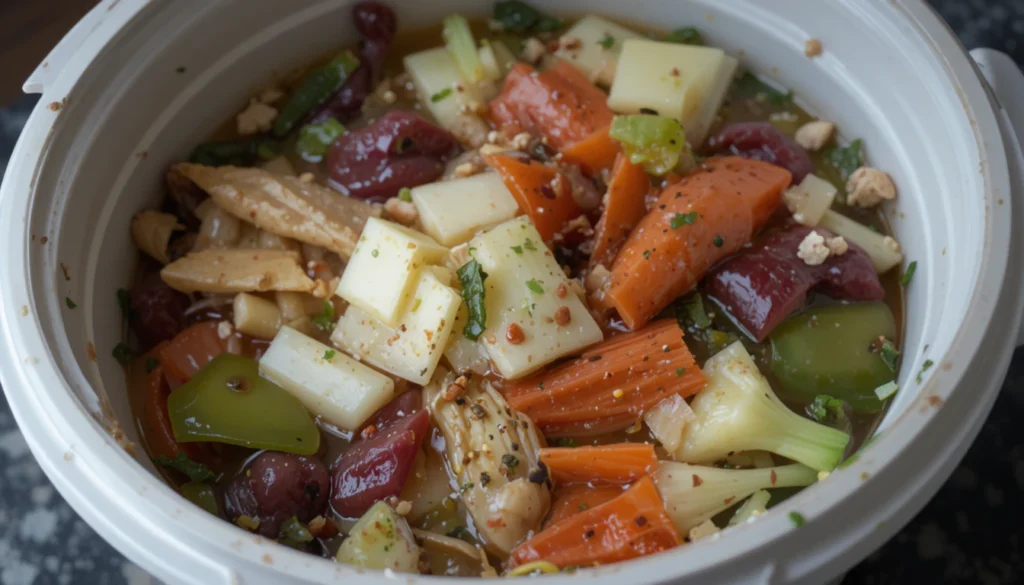
Keep a small container in the freezer. Add scraps during the week. When it is full, boil it gently with water.
You get rich stock without buying boxes from the store.
This feels simple and rewarding.
Leftover Meals Can Become New Dishes
Leftover food does not need to look boring.
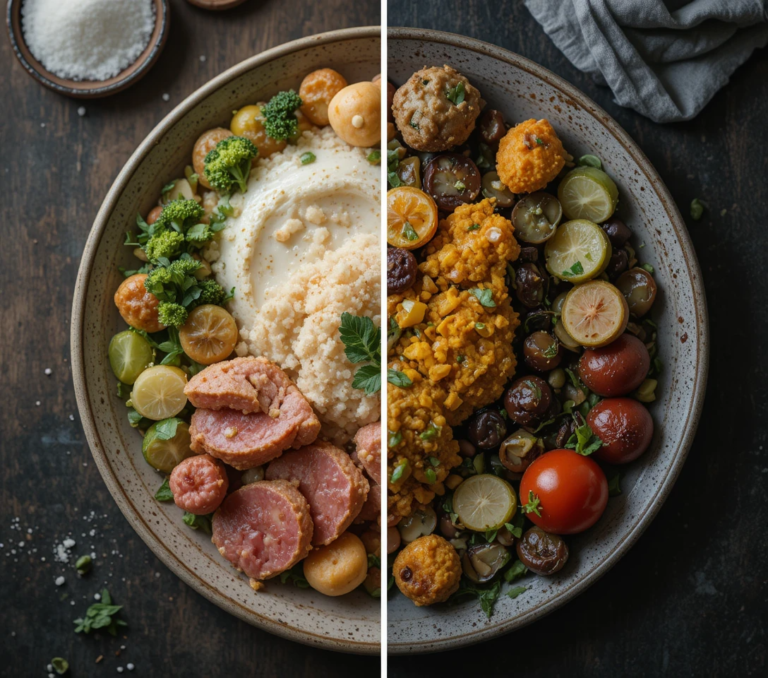
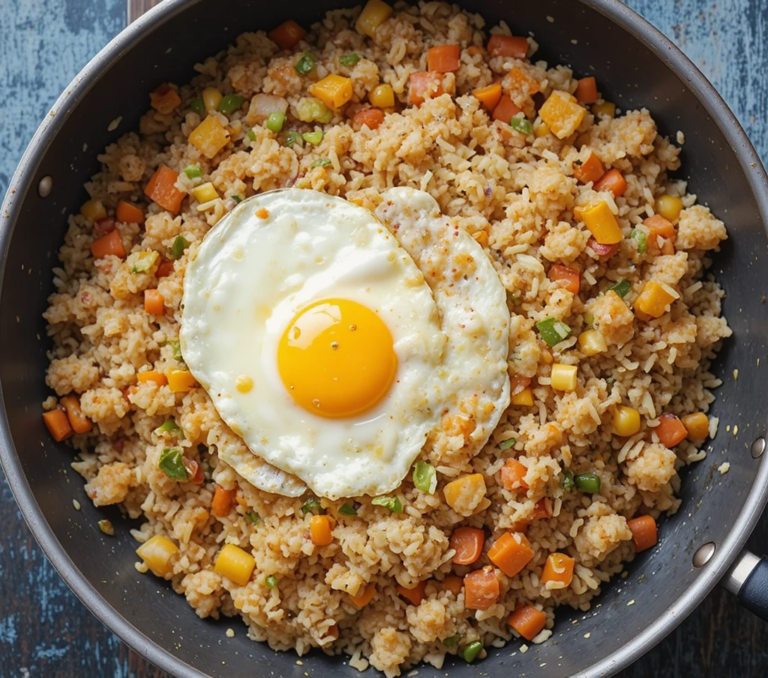
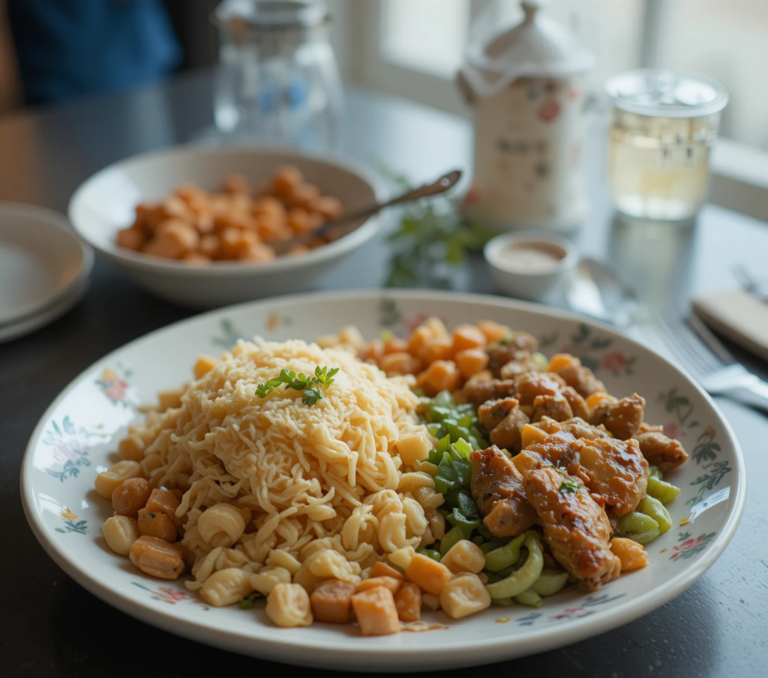
Cooked rice becomes fried rice. Roasted vegetables become soup. Pasta turns into a warm bake.
You are not repeating meals. You are transforming them.
This saves time on busy days. It also reduces the stress of deciding what to cook.
Bread That Feels Too Old Still Has Use
Bread is wasted often.
But dry bread still has value.
Toast it for crumbs. Make simple croutons. Use it in soups.
Store bread in cloth instead of plastic. It lasts longer and tastes better.
Small changes like this add up quickly.
Fruit That Looks Tired Can Still Shine
Soft fruit does not need to go away.
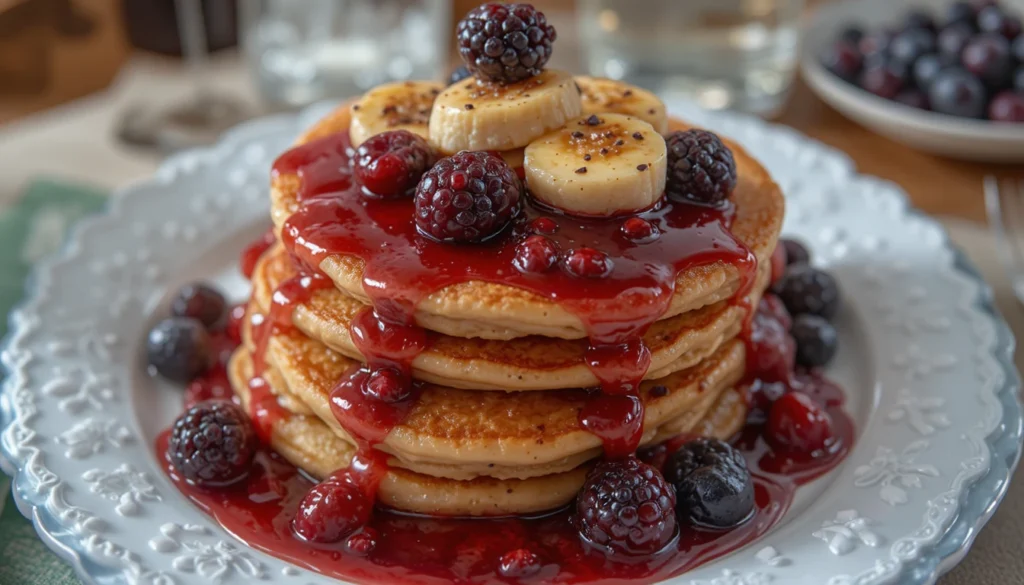
Bananas become pancakes. Apples become warm compote. Berries turn into sauces.
These small treats feel comforting. They work well in small homes with limited freezer space.
Planning Meals Without Pressure
Zero waste cooking works best with gentle planning.
Not strict schedules. Not complicated lists.
Just awareness.
Plan meals around what needs to be used first. Keep portions realistic. Cook smaller amounts if needed.
This keeps the fridge lighter and cleaner.
Storage Matters More Than People Think
Good storage reduces waste.
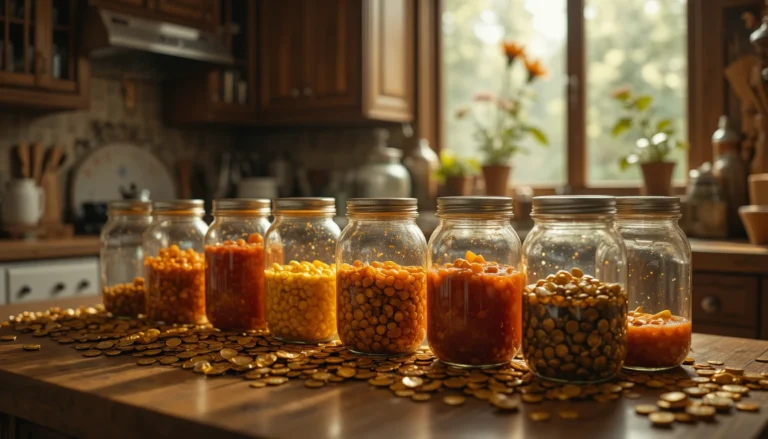
Clear containers help you see food. Glass jars keep flavors fresh. Labels help you remember dates.
Avoid over stacking. Food hidden in the back often gets wasted.
A calm fridge creates calm cooking.
Cooking With the Whole Ingredient
Many parts of food are ignored.
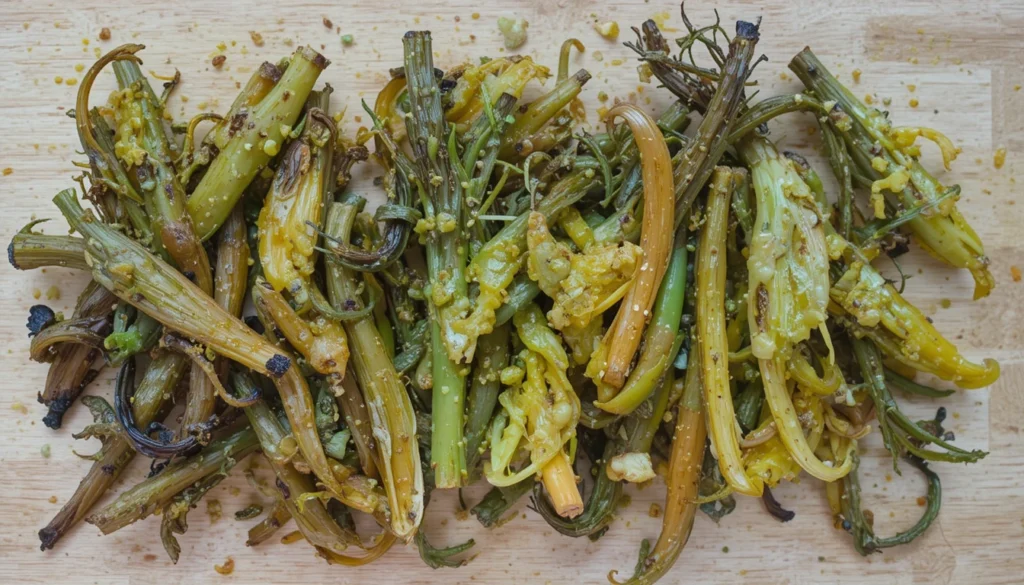
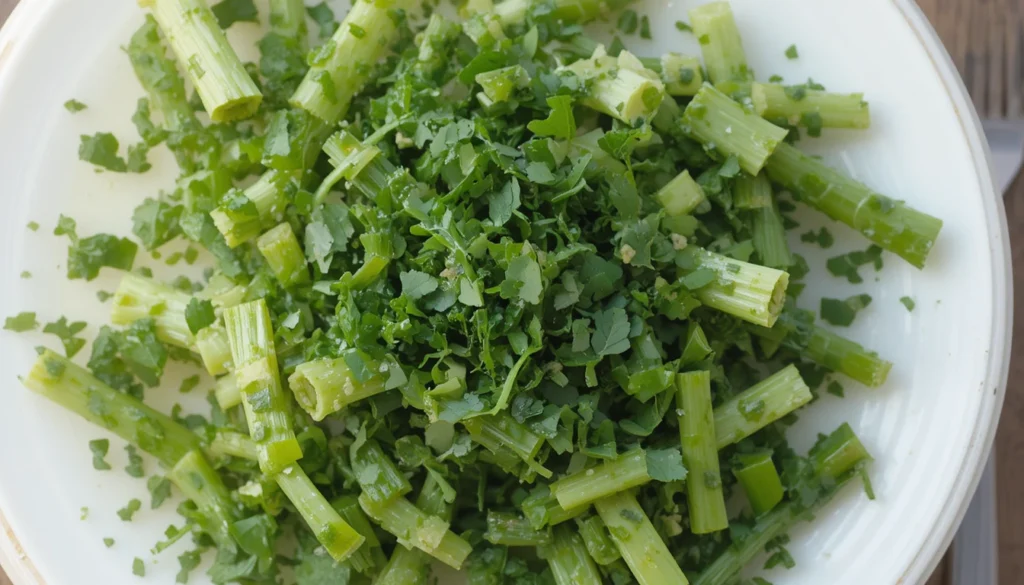
Broccoli stems Beet greens Herb stems
These are edible and tasty.
Slice stems thin. Chop greens gently. Add herbs near the end of cooking.
This creates depth in simple meals.
Small Kitchens Benefit the Most
Small kitchens cannot hide waste.
Zero waste cooking keeps counters clear. Storage simple. Cleaning easier.
You use fewer tools cook simpler meals and waste less energy.
This fits beautifully with minimalist living.
Teaching This Habit to Family and Kids
This style of cooking is easy to share.
Let kids help save scraps. Explain why food matters. Cook together using leftovers.
It builds respect for food early.
Common Mistakes to Avoid
Balance is important.Use what you can. Let go of what you cannot.
Zero Waste Cooking Saves Money Naturally
Less food waste means fewer grocery trips.
You buy only what you need. You cook what you already have.
This supports simple budgets and mindful spending.
How This Supports a Better Lifestyle
This way of cooking supports more than meals.
It supports calm routines mindful choices sustainable living.
You feel good about what you eat and how you live.
Final Thoughts on Cooking With Care
Zero waste cooking is not a trend. It is a mindset.
It invites you to slow down. To notice. To respect food and space.
Start small. One meal. One habit.
Over time, your kitchen will feel lighter. Your cooking will feel easier. And nothing important will be wasted