The Afterlife of Food
Every Ending Is a New Beginning
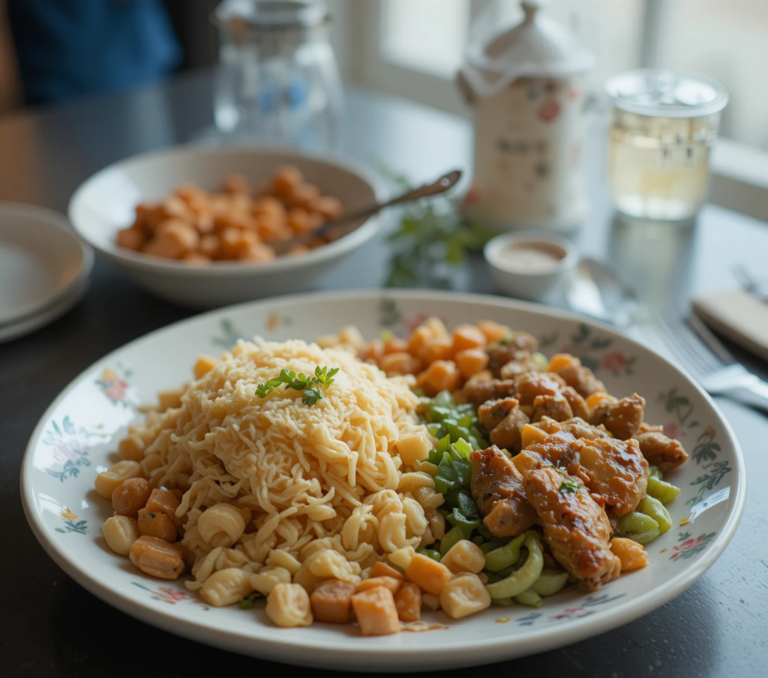
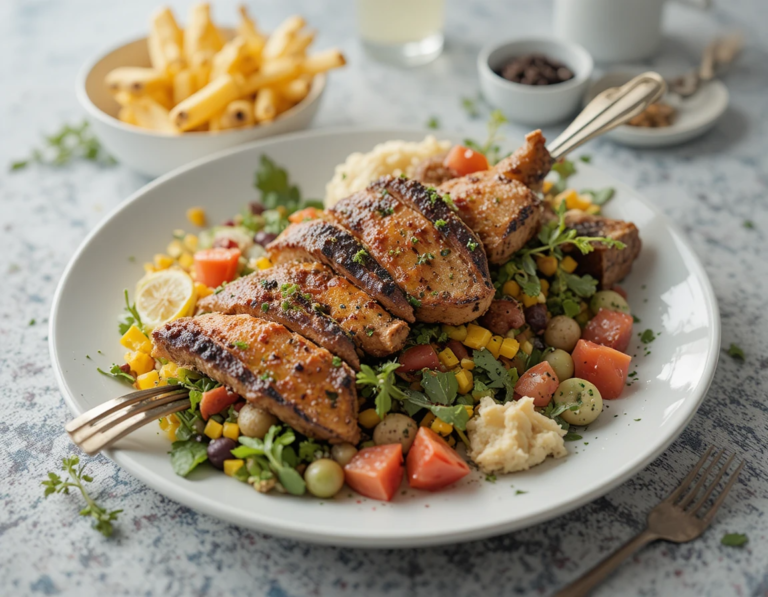
You open your refrigerator. There they sit—containers of food from meals past, each holding something that was once center stage but is now waiting in the wings. Most Americans see this as a problem to solve or, worse, as garbage waiting to happen. But there’s another way to see it.
This guide will transform how you see the food in your refrigerator. Not through complicated techniques or expensive equipment, but through a simple shift in perspective and a handful of practical skills anyone can learn.
The Leftover Mindset
From “Leftover” to “Planned-Over”
The first transformation happens before you touch a single ingredient. It happens in your head.
The Old Way:
-
“What do I do with all this leftover chicken?”
-
“I’m so tired of eating the same thing.”
-
“This is just… yesterday’s food.”
The New Way:
-
“I have pre-cooked chicken ready for three different meals.”
-
“What will this become tomorrow?”
-
“These are ingredients with a head start.”
The Shift:
Stop calling them leftovers. Call them planned-overs second-act ingredients pre-prepared components. But recognize that what you have isn’t a problem to solve—it’s an opportunity to create.
The Waste Problem by Numbers
-
The average American family throws away $1,500 worth of food every year.
-
That’s 20-30% of all food purchased.
-
It’s the equivalent of throwing away one out of every three bags of groceries.
-
Nationally, food waste accounts for 8-10% of global greenhouse gas emissions.
The Good News:
Most of this waste is completely avoidable. Not through deprivation or complicated systems, but through simple, practical transformation techniques that anyone can learn in minutes.
The Safety Foundation
Before You Transform, You Must Protect
No transformation is worth getting sick. These rules are non-negotiable.
The 2-Hour Rule:
Food left at room temperature for more than 2 hours should not be saved. In hot weather (above 90°F), this drops to 1 hour.
The 4-Day Window:
Most cooked leftovers are safe to eat within 3-4 days when properly refrigerated. After that, freeze or discard.
The Temperature Check:
Reheat all leftovers to 165°F (74°C) internal temperature. Use a food thermometer—your eyes can’t tell you if it’s safe.
The Sensory Test:
-
Look: Mold? Unusual colors? Slimy film? Discard.
-
Smell: Off odors? Sour notes? Ammonia? Discard.
-
Touch: Sticky? Unusual texture? Discard.
When in doubt, throw it out. This is not waste—it’s wisdom.
The Essential Toolkit
What You Actually Need (And What You Don’t)
You Don’t Need:
-
A professional kitchen
-
Expensive equipment
-
Culinary school training
-
Complicated recipes
You Do Need:
-
A sharp knife and cutting board
-
A good skillet (non-stick or stainless steel)
-
Storage containers (glass is best, clear is essential)
-
A food thermometer ($10 investment, priceless returns)
-
Basic seasonings (salt, pepper, oil, acid)
-
Your senses (eyes, nose, taste buds)
Nice to Have:
-
Air fryer (excellent for re-crisping)
-
Instant Pot (great for quick transformations)
-
Food processor (speeds up prep)
-
Vacuum sealer (extends freezer life)
Category-by-Category Transformation
1. Protein Leftovers
The Challenge:
Proteins dry out when reheated. They lose moisture, become tough, and lose appeal.
The Solution:
Don’t just reheat—reintroduce moisture.
Four Simple Protein Transformations:
A. The Shred Method
Best for: Chicken, turkey, pork roast
How: Pull meat apart with two forks
Use for: Tacos, sandwiches, salads, rice bowls, nachos
Time: 3-5 minutes
Flavor boost: Toss with BBQ sauce, salsa, or vinaigrette
B. The Chop Method
Best for: Steak, pork chops, meatloaf
How: Cut into bite-sized pieces
Use for: Fried rice, hash, omelets, pasta
Time: 2-4 minutes
Flavor boost: Sear in hot pan with garlic and onions
C. The Bind Method
Best for: Small amounts, odds and ends
How: Mix with egg and breadcrumbs
Use for: Croquettes, patties, meatballs
Time: 8-10 minutes
Flavor boost: Add herbs, cheese, or spices to the mixture
D. The Simmer Method
Best for: Dry or tough proteins
How: Submerge in liquid and heat gently
Use for: Soup, stew, curry, chili
Time: 15-20 minutes
Flavor boost: Use broth, tomatoes, or coconut milk
Real-World Example:
Sunday: Roasted chicken (dinner)
Monday: Chicken salad sandwiches (lunch)
Tuesday: Chicken tacos with salsa (dinner)
Wednesday: Chicken noodle soup (dinner)
One chicken, four meals, zero waste.
2. Rice and Grain Leftovers
The Secret Nobody Tells You:
Day-old rice is better than fresh rice for certain dishes. When rice cools, its starches reorganize. This makes it ideal for frying—it separates beautifully and absorbs flavors without turning to mush.
Four Simple Grain Transformations:
A. Fried Rice
Best for: White rice, brown rice, quinoa
How: High heat, small oil, constant movement
Add: Vegetables, protein, egg, soy sauce
Time: 10 minutes
Pro tip: Day-old rice only—fresh rice will clump
B. Rice Pudding
Best for: Any cooked rice
How: Simmer with milk, sugar, cinnamon
Time: 15-20 minutes
Pro tip: Add raisins, nuts, or coconut for variety
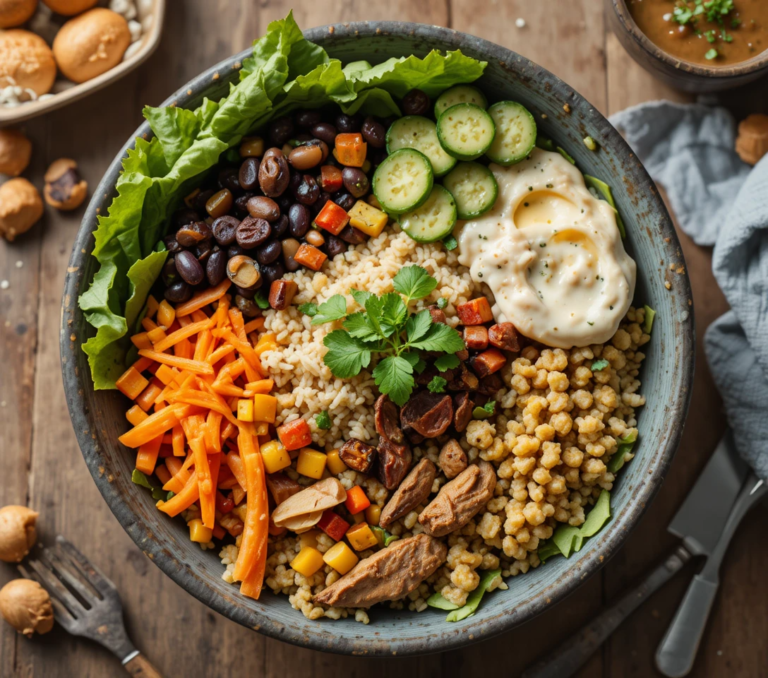
C. Grain Bowls
Best for: Quinoa, farro, barley, rice
How: Top with protein, vegetables, sauce
Time: 5 minutes assembly
Pro tip: Warm grains slightly or serve cold
D. Soup Thickener
Best for: Small amounts of any grain
How: Stir into broth-based soups
Time: 2 minutes
Pro tip: Adds body and nutrition without effort
Real-World Example:
Monday: Rice with stir-fry (dinner)
Tuesday: Fried rice with vegetables (lunch)
Wednesday: Rice pudding (dessert)
Thursday: Rice added to tomato soup (lunch)
One batch of rice, four uses.
3. Vegetable Leftovers
The Challenge:
Cooked vegetables lose crispness. They become soft, sometimes sad-looking.
The Truth:
Soft vegetables are not ruined—they’re transformed. Their flavors have concentrated. Their cell walls have broken down, making nutrients more available. They’re perfect for certain applications.
Four Simple Vegetable Transformations:
A. Soup Base
Best for: Any cooked vegetables
How: Blend with broth, season, heat
Time: 10 minutes
Pro tip: Add cream or coconut milk for richness
B. Frittata Filling
Best for: Vegetables of any kind
How: Whisk eggs, add vegetables, bake or pan-cook
Time: 15 minutes
Pro tip: Cheese makes everything better
C. Pasta Sauce
Best for: Roasted vegetables, tomatoes, peppers
How: Blend with tomatoes or cream
Time: 10 minutes
Pro tip: Add pasta water to bind sauce
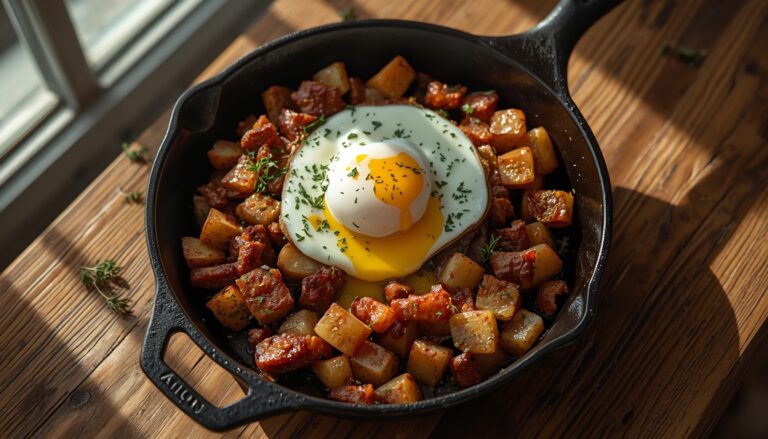
D. Hash
Best for: Potatoes, root vegetables, peppers, onions
How: Chop, pan-fry until crispy
Time: 12 minutes
Pro tip: Top with egg for complete meal
Real-World Example:
Tuesday: Roasted vegetables (dinner side)
Wednesday: Vegetable frittata (breakfast)
Thursday: Blended into tomato sauce for pasta (dinner)
Friday: Added to soup (lunch)
Zero waste, maximum flavor.
4. Bread Leftovers
The Irony:
We throw away bread as it gets stale, yet many classic dishes specifically require stale bread.
Four Simple Bread Transformations:
A. Breadcrumbs
Best for: Any bread, crusts, ends
How: Process in food processor, spread on baking sheet, toast at 300°F until dry
Time: 15 minutes
Storage: Keep in freezer for months
Use for: Coating chicken, topping casseroles, adding crunch
B. Croutons
Best for: Sturdy bread, baguettes
How: Cube, toss with oil and seasoning, bake at 375°F until crisp
Time: 15 minutes
Use for: Salads, soups, snacking
C. Bread Pudding (Savory)
Best for: Any bread
How: Cube bread, soak in egg-milk mixture, add cheese and herbs, bake
Time: 45 minutes
Use for: Breakfast, brunch, comfort food
D. Bread Pudding (Sweet)
Best for: Any bread, especially brioche, challah
How: Cube bread, soak in egg-milk-sugar mixture, add raisins or chocolate, bake
Time: 50 minutes
Use for: Dessert, breakfast
Real-World Example:
Week old: Ends of sourdough and whole wheat
Saturday morning: French toast
Sunday: Breadcrumbs made from remaining pieces
Monday: Croutons for Caesar salad
Nothing wasted, everything elevated.
5. Pasta Leftovers
The Problem:
Reheated pasta often becomes mushy. Sauce separates. Texture suffers.
The Solutions:
A. Pasta Frittata
Best for: Any pasta with sauce
How: Mix with beaten eggs, pour into hot skillet, cook until set, flip or finish under broiler
Time: 15 minutes
Result: Crispy edges, tender interior, completely new dish
B. Pasta Bake
Best for: Pasta with sauce
How: Transfer to baking dish, top with cheese, bake at 375°F until bubbly
Time: 20 minutes
Result: Fresh-baked appeal, crispy cheese topping
C. Cold Pasta Salad
Best for: Pasta without sauce or with light sauce
How: Toss with vinaigrette, fresh vegetables, herbs
Time: 10 minutes
Result: Perfect lunch, picnic food
D. Pasta Soup
Best for: Small amounts of pasta
How: Add to broth with vegetables
Time: 5 minutes
Result: Hearty soup in minutes
6. Holiday and Feast Leftovers
The Situation:
Thanksgiving, Easter, Christmas, Super Bowl, birthday parties—you cooked for a crowd and now have enough food for an army.
The Strategy:
Don’t eat the same meal for five days. Transform it into five different meals.
Thanksgiving Transformation Timeline:
Day 1: Traditional Thanksgiving dinner
Day 2: Turkey sandwiches with cranberry mayo
Day 3: Turkey pot pie
Day 4: Turkey and stuffing casserole
Day 5: Turkey soup from the carcass
Day 6: Stock in the freezer for future use
Each day feels like a different meal because it IS a different meal.
The Freezer as Your Transformation Partner
Strategic Freezing, Not Just Storage
Most people use their freezer as a morgue—a place where food goes to die, forgotten until it’s unrecognizable.
Use it as a transformation tool instead.
What Freezes Well:
-
Soups and stews (portion in bags, freeze flat)
-
Cooked grains (rice, quinoa, farro)
-
Tomato-based sauces
-
Cooked beans
-
Bread and baked goods
-
Stock and broth
-
Casseroles (assemble but don’t bake)
How to Freeze for Transformation:
The Flat Freeze Method:
Pour soups, sauces, and liquids into quart-sized freezer bags. Lay flat on a baking sheet. Freeze until solid. Stack like books. Thaws in minutes under running water.
The Portion Control Method:
Freeze in meal-sized portions, not family-sized blocks. You can always thaw multiple portions. You can’t refreeze once thawed.
The Labeling Method:
Contents + Date + Suggested Use.
*Example: “Turkey Stock – 11/23 – Use for soup or gravy”*
The Ice Cube Tray Method:
Freeze pesto, tomato paste, herb oils, and concentrated stocks in ice cube trays. Pop out, store in bags. Each cube is perfectly portioned flavor.
The 15-Minute Transformation Library
Quick Wins for Busy People
chicken (10):
-
Chicken salad (5 minutes)
-
Chicken tacos (8 minutes)
-
Chicken fried rice (10 minutes)
-
Chicken quesadillas (8 minutes)
-
Chicken soup (12 minutes)
-
Chicken Caesar salad (5 minutes)
-
Chicken pasta (10 minutes)
-
Chicken sandwiches (4 minutes)
-
Chicken nachos (6 minutes)
-
Chicken and rice bowl (5 minutes)
rice (8):
-
Fried rice (10 minutes)
-
Rice pudding (15 minutes)
-
Rice soup (8 minutes)
-
Stuffed peppers (20 minutes)
-
Rice and beans (5 minutes)
-
Breakfast rice with milk and cinnamon (5 minutes)
-
Rice patties (12 minutes)
-
Rice salad (8 minutes)
vegetables (8):
-
Frittata (12 minutes)
-
Soup (10 minutes)
-
Pasta sauce (10 minutes)
-
Grain bowl (5 minutes)
-
Hash (12 minutes)
-
Quesadilla filling (8 minutes)
-
Omelet filling (6 minutes)
-
Smoothie (leafy greens) (3 minutes)
pasta (6):
-
Pasta frittata (12 minutes)
-
Pasta bake (20 minutes)
-
Cold pasta salad (8 minutes)
-
Pasta soup (6 minutes)
-
Warmed with fresh sauce (8 minutes)
-
Fried pasta (10 minutes)
bread (8):
-
Croutons (12 minutes)
-
Breadcrumbs (10 minutes)
-
French toast (10 minutes)
-
Bread pudding (45 minutes, mostly baking)
-
Panzanella salad (10 minutes)
-
Bruschetta (8 minutes)
-
Garlic bread (8 minutes)
-
Bread soup (15 minutes)
The International Leftover Library
Let Other Cultures Be Your Guide
Italy:
-
Day-old bread becomes panzanella and ribollita
-
Day-old risotto becomes arancini (fried rice balls)
-
Leftover pasta becomes frittata di pasta
-
Stale bread becomes breadcrumbs for pasta
Mexico:
-
Day-old tortillas become chilaquiles and tortilla soup
-
Leftover meats become taco fillings
-
Rice becomes Mexican fried rice
-
Beans become refried beans
India:
-
Leftover roti becomes roti pizza and roti rolls
-
Leftover dal becomes dal paratha
-
Rice becomes lemon rice or curd rice
-
Vegetables become pakora filling
China:
-
Day-old rice is required for fried rice
-
Leftover meats become stir-fry additions
-
Vegetables become noodle soup components
-
Dumplings can be pan-fried the next day
Japan:
-
Leftover rice becomes onigiri (rice balls)
-
Leftover fish becomes ochazuke (rice with tea)
-
Vegetables become tempura (if fresh enough) or nimono (simmered)
France:
-
Stale bread becomes pain perdu (French toast)
-
Leftover meat becomes hachis Parmentier (shepherd’s pie)
-
Day-old baguette becomes croque monsieur
The Weekly Transformation System
A Simple Plan for Zero Waste
Sunday: Foundation Cooking
-
Cook extra rice and grains
-
Roast extra vegetables
-
Make extra protein
-
Portion and store strategically
Monday: Direct Use
-
Use Sunday’s components as prepared
-
Simple assembly meals
Tuesday: First Transformation
-
Rice becomes fried rice
-
Chicken becomes chicken salad
-
Vegetables become frittata
Wednesday: Second Transformation
-
Fried rice becomes soup addition
-
Chicken salad becomes wrap filling
-
Frittata becomes sandwich
Thursday: Combination Day
-
Combine all small amounts
-
Create “everything” soup or casserole
-
Clean out containers
Friday: Freezer Dive
-
Use something from the freezer
-
Prevent freezer waste
-
Restock with this week’s extras
Saturday: Creative Challenge
-
Try one new transformation technique
-
Experiment with international approach
-
Document what works
Sunday: Plan Next Week
-
Assess what remains
-
Plan meals that use components
-
Shop with transformation in mind
Common Problems Solved
“My family won’t eat leftovers.”
The Solution:
Stop calling them leftovers. Don’t serve them the same way twice. Transform the form, change the name, plate it differently.
Instead of: “We’re having leftover chicken.”
Try: “I made chicken tacos with that roasted chicken.”
Instead of: “Here’s that rice from Tuesday.”
Try: “Fried rice with vegetables and egg.”
Instead of: “Finishing the vegetables.”
Try: “Frittata with cheese and herbs.”
Presentation matters. Naming matters. Attitude matters.
“I forget what’s in my refrigerator.”
The Solution:
-
Use clear containers (see food, not guessing)
-
Store at eye level (out of sight, out of mind)
-
Designate a “use soon” shelf
-
Take a photo before shopping
-
Keep a whiteboard on the fridge
“I don’t have time to transform leftovers.”
The Solution:
-
Transform doesn’t mean “complicated”
-
Five-minute transformations exist
-
Batch transform (do multiple at once)
-
Freeze for later
-
Remember: Transforming is usually faster than cooking from scratch
“I don’t know what to make.”
The Solution:
-
Use the ingredient-first approach
-
Ask: “What protein do I have?”
-
Ask: “What grain do I have?”
-
Ask: “What vegetables do I have?”
-
Combine with sauce and fresh elements
The Formula:
Protein + Grain + Vegetable + Sauce + Fresh Element = Meal
The Bigger Picture
Why This Matters Beyond Your Kitchen
The Environmental Case:
-
Food waste in landfills produces methane, a greenhouse gas 25 times more potent than CO2
-
If global food waste were a country, it would be the third-largest emitter of greenhouse gases
-
Reducing food waste is the single most effective action individuals can take on climate change
The Economic Case:
-
$1,500 average annual savings per household
-
$200 billion annual waste nationally
-
Every dollar spent on food that gets eaten is a dollar that doesn’t need to be spent again
The Social Case:
-
1 in 8 Americans experiences food insecurity
-
The food wasted in the United States could feed every food-insecure person three times over
-
Transforming food honors the resources and labor that brought it to your table
The Personal Case:
-
Cooking becomes creative, not repetitive
-
Skills develop through practice
-
Confidence grows with each success
-
You become the person who “can make anything from anything”
Conclusion: The Transformation Mindset
Learning to transform leftovers isn’t really about food. It’s about how you see the world.
It’s about seeing potential instead of waste. Possibility instead of limitation. Opportunity instead of obligation.
It’s about recognizing that value doesn’t expire when freshness fades. That good things can become other good things. That endings are often beginnings in disguise.