The Culinary Synesthesia Cooking
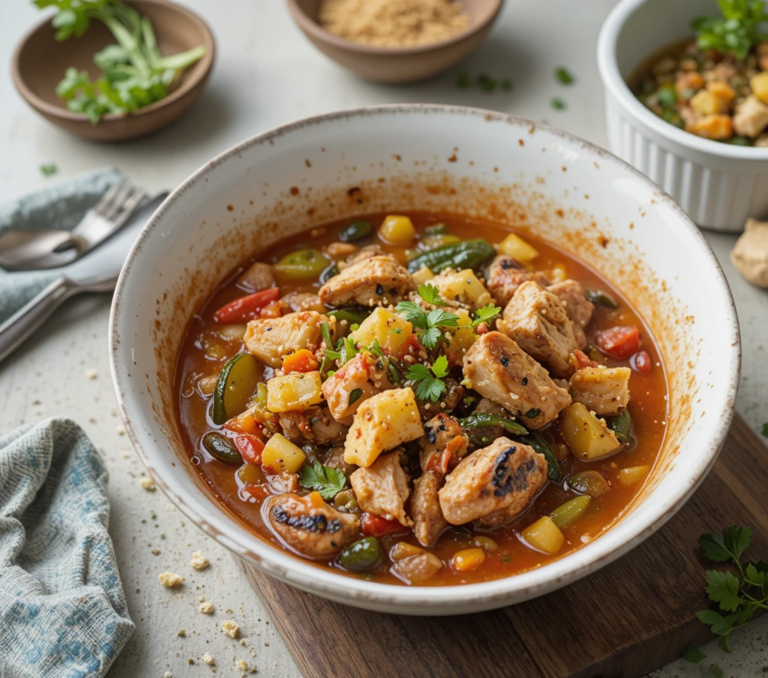
It began subtly—the roasted garlic didn’t just smell pungent and sweet; it appeared in my mind’s eye as a deep amethyst spiral. The crusty bread didn’t just crunch; it sounded like cello notes in C minor. The leftover chili wasn’t just spicy and rich; it felt geometrically like nested octahedrons. This wasn’t imagination; this was culinary synesthesia—the neurological phenomenon where stimulation of one sensory pathway leads to automatic experiences in another.
Professional kitchens have quietly embraced this cross-sensory intelligence for decades. The legendary chef who “sees” balance in a sauce isn’t being poetic—they’re experiencing gustatory-visual synesthesia. The baker who “hears” when bread is perfectly proofed isn’t mystical—they’re experiencing tactile-auditory crossover. This isn’t reserved for the neurologically unique; it’s a skill that can be developed, a language your kitchen already speaks if you learn to listen in multiple senses simultaneously.
Welcome to Synesthetic Cooking—where leftovers aren’t just transformed; they’re translated across sensory dimensions.
The Synesthetic Palette—Tasting in Full Spectrum
Building Your Cross-Sensory Vocabulary
The Chromatic Flavor Wheel:
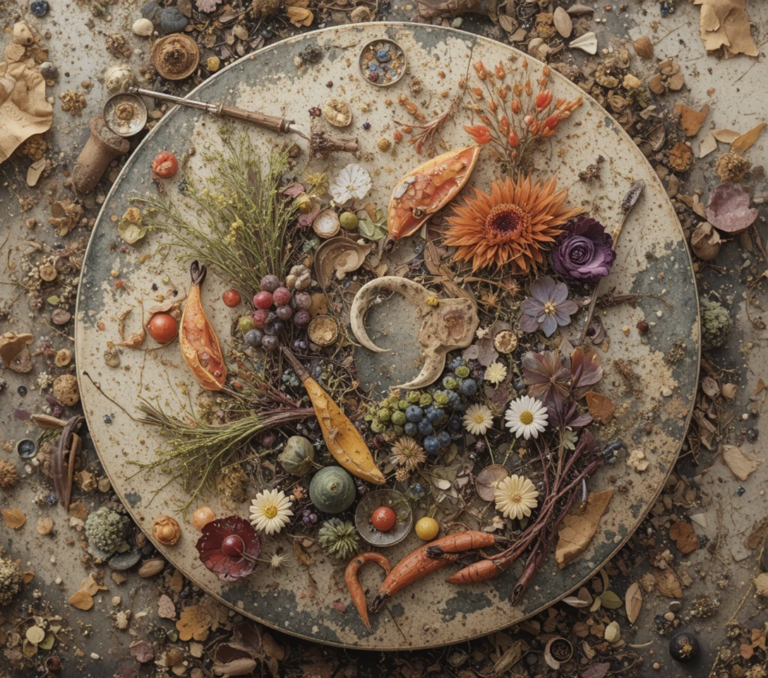
Traditional flavor wheels show relationships. The synesthetic wheel shows cross-sensory translations:
-
Umami → Burnt sienna texture with velvet nap
-
Acidity → Citrine points with glass-like edges
-
Sweetness → Round cerulean spheres with satin finish
-
Bitterness → Angular charcoal shapes with matte texture
-
Saltiness → Fine silver dust that sparkles audibly
Professional Exercise: Leftover Flavor Mapping
Take yesterday’s roasted vegetables. Don’t just taste them:
-
What color is the caramelization? (Most report amber-gold)
-
What shape is the soft interior? (Often described as yielding cubes)
-
What sound does the texture make in your mind? (Common: soft percussion)
-
What temperature color is the dish? (Reheated often reads as orange-crimson)
The Multi-Sensory Ingredient Database
Professional synesthetic cooks maintain mental files:
Tomato Synesthetic Profile:
-
Visual: Pulsing red orb with slight luminosity
-
Auditory: Juicy plosive sound (like a soft “pop”)
-
Tactile: Cool silk turning to warm velvet when cooked
-
Spatial: Expanding sphere that fills the mouth evenly
Day-Old Bread Profile:
-
Visual: Parchment rectangle with fracturing gold lines
-
Auditory: Cello crackle transitioning to harp strings when moistened
-
Tactile: Dry linen externally, cotton batting internally
-
Kinetic: Collapsing architecture that rebuilds with liquid
Synesthetic Transformation Techniques
Cross-Sensory Leftover Revival
Technique 1: Chromatic Rebalancing
Problem: Leftover stew appears muddy brown visually and sonically flat.
Solution: Add ingredients that introduce new “colors” and “notes”:
-
Fresh herbs → Emergreen spikes with flute tones
-
Lemon zest → Yellow sparks with ping sounds
-
Toasted nuts → Golden-brown crunch with marimba notes
Technique 2: Textural Orchestration
Problem: Leftover proteins often feel sonically monotone (one-note texture).
Solution: Create “chord progressions” of texture:
-
Shredded chicken (soft strings) + Celery (crisp percussion) + Almonds (hard woodwinds)
-
Result: A textural chord rather than a single note
Technique 3: Aromatic Shape Correction
Problem: Leftover soup’s aroma has become a collapsed sphere.
Solution: Rebuild aromatic architecture:
-
Simmer with fresh aromatics to create expanding aroma pyramids
-
Finish with herb oil to add floating aromatic discs
-
Synesthetic result: Aroma shifts from flat circle to 3D lattice
The Synesthetic Kitchen Layout
Designing for Cross-Sensory Workflow
The Chromatic Station
Where visual-food relationships are developed
-
Color-coded cutting boards (not by protein, but by flavor families)
-
Lighting that reveals true food colors (full-spectrum bulbs)
-
Black and white plates for maximum color contrast
-
Professional secret: Blue lighting temporarily mutes appetite; use for tasting discipline
The Acoustic Prep Area
Where texture-sound relationships are explored
-
Different surfaces for different “chopping notes” (wood = warm, metal = bright)
-
Water station with adjustable flow sounds
-
Quiet zone for listening to cooking processes
-
Advanced technique: Record your knife work; analyze the rhythm
The Olfactory Studio
Where smell-shape training occurs
-
Herb garden arranged by aromatic shape (round basils, spiky rosemaries)
-
Spice drawer organized by aroma density
-
Essential oil reference for shape calibration
-
Training exercise: Blind smell identification focusing on shape, not name
The Tactile Laboratory
Where mouthfeel is engineered
-
Texture samples library (various grains, gels, foams)
-
Temperature gradient tools
-
Mouth mapping diagrams
-
Development tool: Keep a texture journal
Synesthetic Recipe Development
Writing Recipes for Multiple Senses
Traditional recipe:
“Add 2 cups chopped vegetables”
Synesthetic recipe:
“Introduce emerald-green cubes (1-inch zucchini) that will chime when bitten, followed by sunset-orange disks (carrots) providing smooth glissando mouthfeel, and amethyst crescents (eggplant) offering velvet bass notes.”
Leftover Transformation Formula:
[Existing sensory profile] + [Intentional sensory additions] = [New multi-sensory experience]
Example: Transforming Day-Old Risotto
-
Existing: Visual – pale yellow mound; Auditory – soft hum; Tactile – warm putty
-
Additions:
-
Peas → Jade spheres with pop sounds
-
Lemon → Sunburst points with zest sparkles
-
Crispy shallots → Golden lace with crackle percussion
-
-
Result: Visual – jeweled landscape; Auditory – rhythmic composition; Tactile – varied topography
The Neurogastronomy of Leftovers
Why Synesthesia Improves Transformation
Scientific Principle: Cross-Sensory Reinforcement
When multiple senses agree on an experience, perception intensifies. A leftover dish that looks vibrant, sounds appealing, feels interesting, and tastes good registers as fundamentally better than one that merely tastes good.
The Leftover Perception Problem:
-
Day-old food often loses sensory dimensions
-
Visual appeal diminishes
-
Aromas flatten
-
Textures homogenize
-
Result: Even if flavor remains, the experience feels diminished
The Synesthetic Solution:
Restore or enhance multiple sensory dimensions:
-
Visual: Add fresh herbs (green sparks), sauces (color veils), garnishes (edible confetti)
-
Auditory: Create crunch (percussion), sizzle (sustained notes), crackle (staccato)
-
Tactile: Layer temperatures, combine smooth and rough, play with viscosity
-
Olfactory: Rebuild aroma architecture with fresh aromatics
Professional Synesthetic Techniques
Methods from Chef-Synesthetes
The Flavor-Shape Alignment Method:
Each leftover ingredient has a “shape energy”:
-
Starches → Cubes and spheres (comforting, stable)
-
Proteins → Columns and arches (supportive, structural)
-
Vegetables → Stars and fractals (lively, complex)
-
Sauces → Waves and spirals (connecting, fluid)
Transformation rule: Combine shapes that create pleasing “visual chords.”
The Texture-Sound Composition Technique:
Treat your plate like a musical score:
-
Creamy elements → Sustained strings
-
Crispy elements → Percussion hits
-
Chewy elements → Woodwind phrases
-
Juicy elements → Brass swells
Leftover application: Turn monotonous texture into rhythmic composition.
The Aroma-Color Layering System:
Aromas have visual temperatures:
-
Warm spices → Gold to crimson gradient
-
Fresh herbs → Emergreen to lime spectrum
-
Citrus → Yellow-white light
-
Earthy notes → Umber to sienna range
Professional trick: “Paint” with aromas to create color harmony.
Developing Your Synesthetic Intelligence
Training Your Cross-Sensory Perception
Daily Exercises:
The Morning Coffee Meditation
-
Don’t just drink coffee
-
Note its brown gradient (from center to edges)
-
Listen to its pour sound and slurp resonance
-
Feel its heat pattern in your mouth
-
Map its bitterness shape (often triangular)
The Leftover Sensory Audit
Before transforming any leftover:
-
Describe its current color story
-
Map its texture soundscape
-
Chart its aroma shape
-
Diagram its flavor geometry
The Cross-Sensory Journal
Keep a kitchen journal with columns for:
-
Visual description (beyond obvious colors)
-
Auditory notes
-
Tactile mappings
-
Aromatic shapes
-
Flavor geometries
-
Emotional resonances
The Synesthetic Dinner Party
Multi-Sensory Dining Experiences
The Auditory Amuse-Bouche
-
Transform leftover crostini into edible sound systems
-
Different toppings create different “bite sounds”
-
Synesthetic element: Guests close eyes, identify ingredients by sound
The Chromatic Transformation
-
Leftover vegetable purees become edible paints
-
Guests create flavor paintings on edible “canvas”
-
Synesthetic element: Color-flavor correlation education
The Tactile Exploration
-
Various transformed leftovers at different temperatures/textures
-
Served in the dark
-
Synesthetic element: Texture identification without visual cues
The Aromatic Architecture
-
Deconstructed leftover components
-
Reassembled based on aroma shapes
-
Synesthetic element: Building aroma “structures”
The Technology of Synesthetic Cooking
Tools for Enhanced Cross-Sensory Experience
Digital Flavor Visualization:
-
Apps that translate taste data into color maps
-
Sound generators that respond to texture changes
-
Aroma sensors that create shape diagrams
Multi-Sensory Kitchen Equipment:
-
Stoves with visual temperature displays (color gradients)
-
Blenders with sound analysis (optimal texture frequencies)
-
Knives with vibration feedback (perfect cut detection)
Wearable Synesthetic Aids:
-
Glasses that enhance food colors
-
Ear pieces that amplify cooking sounds
-
Future potential: Haptic gloves for texture analysis
The Therapeutic Kitchen
Synesthetic Cooking for Well-being
Stress Reduction:
-
Creating visually harmonious meals from leftovers
-
Focusing on pleasing texture sounds
-
Building balanced aroma shapes
-
Therapeutic effect: Multi-sensory mindfulness
Cognitive Enhancement:
-
Cross-sensory cooking exercises neural pathways
-
Ingredient identification by non-dominant senses
-
Flavor memory through multiple sensory channels
-
Cognitive benefit: Neuroplasticity stimulation
Emotional Processing:
-
Expressing emotions through food colors
-
Creating texture-soundscapes matching moods
-
Building aroma-shapes for emotional states
-
Emotional benefit: Non-verbal expression channel
Conclusion: Your Kitchen as Symphony
Synesthetic cooking transforms the kitchen from a place of mere nourishment to a studio for multi-sensory art, a laboratory for perceptual expansion, and a sanctuary for mindful presence. It teaches us that leftovers aren’t failures of planning, but opportunities for sensory translation, that aging ingredients aren’t declining in quality but shifting across sensory dimensions.
This approach does more than reduce food waste. It expands culinary consciousness, deepens sensory appreciation, enhances creative expression, and transforms daily cooking into neurological exploration.