A Complete Guide to Turning Leftovers into New Meals
The Smart Way to Handle Leftover Food
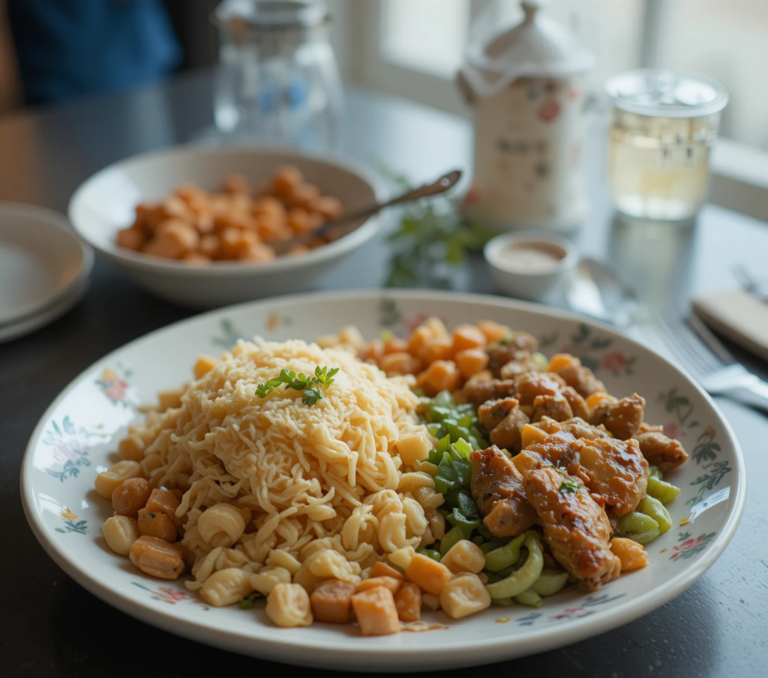
We’ve all been there—opening the refrigerator to find yesterday’s rice, last night’s vegetables, or that extra roti looking a bit sad. Most people see this as food that needs to be thrown away, but smart home cooks see something completely different: ingredients waiting for their next delicious transformation.
Food transformation isn’t just about saving money (though you’ll definitely do that). It’s about becoming a more creative, efficient, and environmentally responsible cook. In this comprehensive guide, we’ll show you exactly how to turn what you might consider “leftovers” into meals your family will request again and again.
Why Food Transformation Matters Today
Let’s start with some eye-opening facts. The average Indian household wastes about 40 kilograms of food every month. That’s not just wasted money—it’s wasted resources, energy, and effort. When you transform leftovers instead of throwing them away:
-
You save significant money – Approximately ₹2,000-₹3,500 per month
-
You save cooking time – Transformed meals are often quicker than starting from scratch
-
You help the environment – Less food in landfills means less methane gas production
-
You reduce stress – Knowing what to do with leftovers eliminates kitchen dilemmas
The Golden Rules of Safe Food Transformation
Before we get creative, let’s talk safety. These rules are non-negotiable:
Rule 1: The 2-Hour Rule
Always refrigerate cooked food within 2 hours of preparation. Bacteria grow fastest between 5°C and 60°C.
Rule 2: Proper Storage
Use airtight containers and label them with dates. Glass containers are best because they don’t absorb smells and let you see what’s inside.
Rule 3: The 3-4 Day Window
Most cooked foods are best transformed within 3-4 days. If you won’t use it in time, freeze it.
Rule 4: The One Reheat Rule
Only reheat the amount you’ll eat immediately. Repeated reheating affects both safety and quality.
Mastering Basic Food Transformations
Rice: The Ultimate Transformation Champion
Leftover rice is actually better for many dishes than fresh rice. Here’s why: when rice cools, its starch structure changes, making it perfect for frying without becoming mushy.
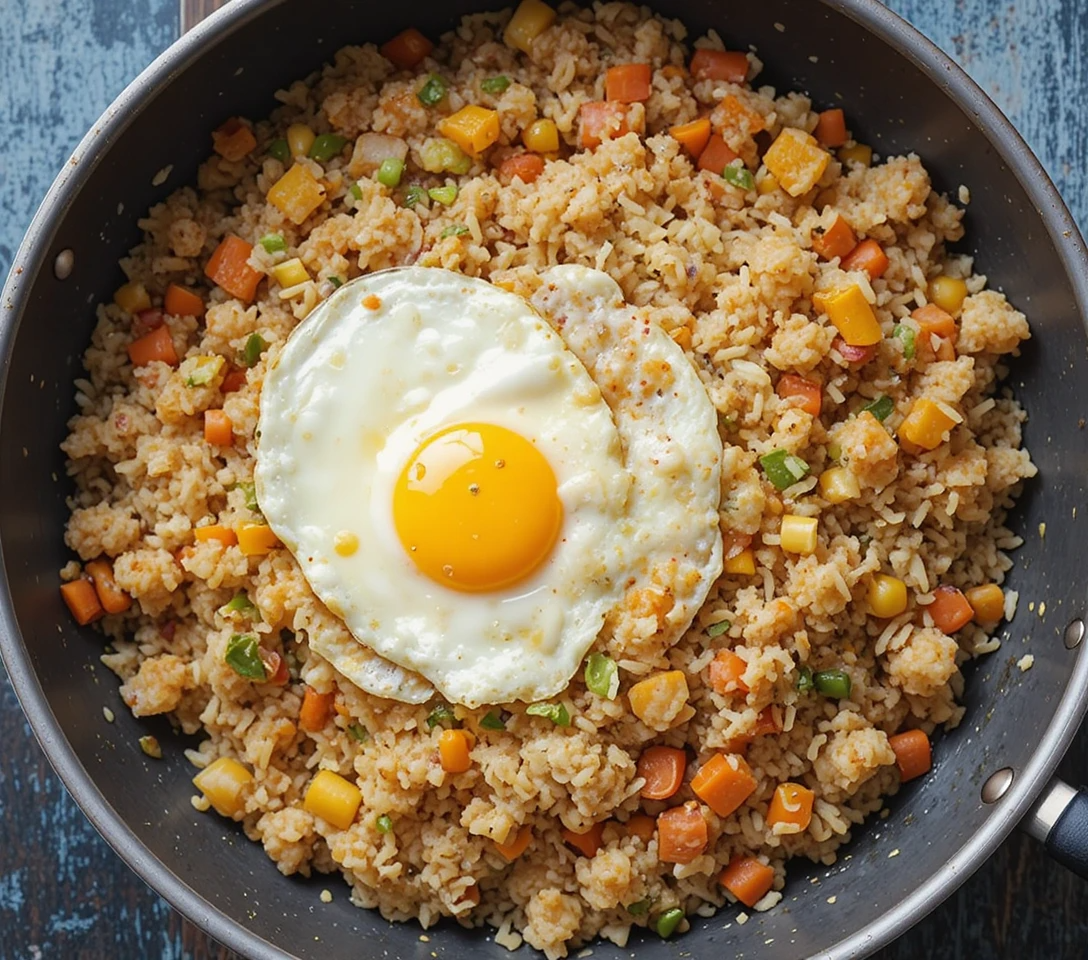
Perfect Fried Rice in 15 Minutes:
-
Heat 1 tablespoon oil in a large pan or wok
-
Add finely chopped garlic, ginger, and green chili
-
Add mixed vegetables (carrots, peas, corn, bell peppers)
-
Push vegetables to one side, scramble 2 eggs in the empty space
-
Add 2 cups of leftover rice and 2 tablespoons soy sauce
-
Mix everything together, garnish with spring onions
Other Rice Transformations:
-
Rice cutlets: Mix rice with mashed potatoes, shape into patties, and shallow fry
-
Rice pudding: Cook with milk, sugar, and cardamom for a delicious dessert
-
Stuffed peppers: Mix rice with spices and vegetables, stuff into bell peppers, and bake
Roti/Chapati: Don’t Let Them Go Stale
Stale roti might seem unappealing, but it’s actually a versatile ingredient waiting to be rediscovered.
Roti Pizza – Kids Love This:
-
Spread pizza sauce or tomato sauce on a roti
-
Add grated cheese and your favorite toppings (sweet corn, bell peppers, onions, paneer)
-
Bake at 200°C for 8-10 minutes or cook in a pan with a lid
More Roti Ideas:
-
Roti rolls: Spread chutney, add chopped vegetables, roll up, and toast lightly
-
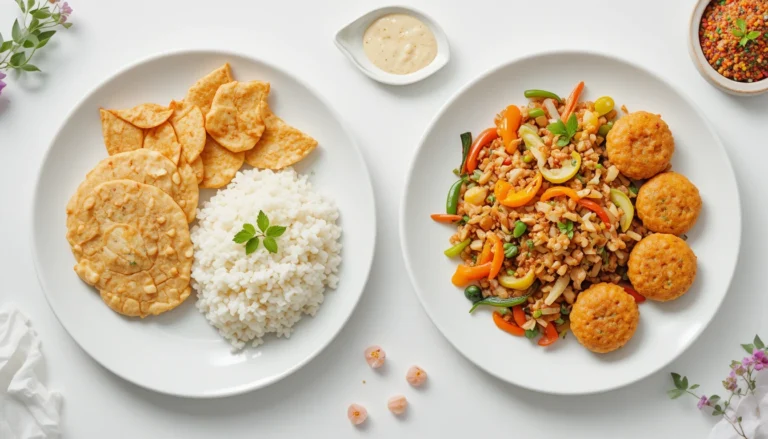
Roti chips: Cut into triangles, season with chaat masala, and bake until crisp
-
Roti nachos: Layer with beans, cheese, and salsa, then bake
Vegetables: Giving Them New Life
Wilted or cooked vegetables still have plenty of flavor and nutrition to offer.
The Everything Vegetable Soup:
-
Sauté onions and garlic in a little oil
-
Add all leftover vegetables (chopped)
-
Add vegetable stock or water, simmer for 20 minutes
-
Blend if you want creamy soup, or leave chunky
-
Season with salt, pepper, and herbs
Vegetable Fritters (Pakoras):
-
Mix chopped vegetables with besan (gram flour)
-
Add water to make a thick batter
-
Season with salt, chili powder, and garam masala
-
Drop spoonfuls in hot oil, fry until golden
Protein Transformations
Leftover Chicken or Meat
Easy Chicken/Meat Fried Rice:
Simply add shredded leftover chicken or meat to your fried rice at the vegetable stage.
Meat-Stuffed Parathas:
-
Mix shredded meat with chopped onions, green chilies, and coriander
-
Use as filling for parathas
-
Cook on tawa with ghee or oil
Leftover Dal (Lentils)
Dal Parathas:
-
Mix thick leftover dal with whole wheat flour
-
Add spices if needed
-
Knead into dough (add more flour if too sticky)
-
Roll out and cook as regular parathas
Dal Soup:
-
Thin leftover dal with water or stock
-
Add vegetables like carrots and spinach
-
Simmer for 10-15 minutes
-
Serve with crusty bread
International Inspiration for Leftovers
Indian Fusion Ideas
-
Curry pasta sauce: Blend leftover curry with tomatoes for a unique pasta sauce
-
Biryani fried rice: Use leftover biryani rice for an extra-flavorful fried rice
-
Samosa filling: Use leftover vegetable dishes as samosa filling
Italian Approach
-
Frittata: Mix leftover vegetables with eggs and cheese, bake until set
-
Pasta bake: Combine leftover pasta with sauce and cheese, bake until bubbly
Mexican Style
-
Quesadillas: Place leftovers between tortillas with cheese, cook until melted
-
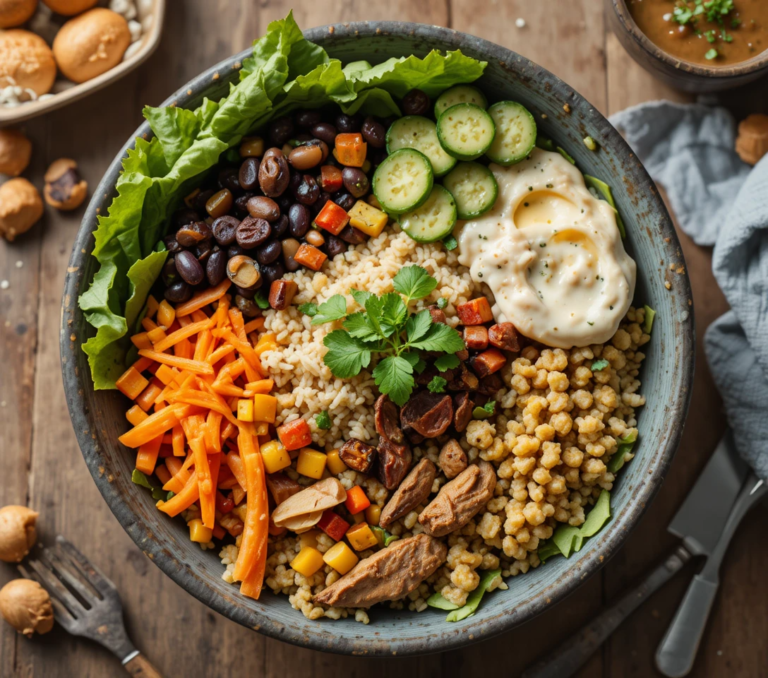
Burrito bowls: Arrange leftovers over rice with fresh salsa and guacamole
The Weekly Transformation Plan
To make food transformation a habit, try this weekly schedule:
Monday: Cook extra rice and vegetables intentionally
Tuesday: Make fried rice with Monday’s leftovers
Wednesday: Transform rotis into something new (pizza, rolls, or chips)
Thursday: Clean out the fridge soup or stir-fry
Friday: “Everything goes” pizza or wraps
Saturday: Creative transformation challenge (try something new)
Sunday: Plan next week’s meals with transformation in mind
Advanced Tips for Serious Savers
The Freezer Strategy
Your freezer is your best friend for food transformation:
-
Freeze leftover sauces in ice cube trays
-
Save vegetable peels and ends for making stock
-
Freeze overripe bananas for smoothies or banana bread
-
Create “meal starter” packs (chopped vegetables, cooked beans, etc.)
The Planned-Over Method
Cook with tomorrow in mind:
-
When making vegetables, cook 50% more than you need
-
Always cook extra grains (rice, quinoa, dalia)
-
Prepare components separately rather than combined dishes
Presentation Matters
Sometimes it’s all about how you serve it:
-
Serve transformed food in different dishes than the original
-
Add fresh garnishes (herbs, sprouts, nuts)
-
Give dishes new, appealing names
Common Questions Answered
Q: How many times can I reheat food safely?
A: Only reheat once. Take out only what you’ll eat immediately.
Q: What foods should not be transformed?
A: Anything that smells off, has changed color significantly, or has been in the fridge too long (beyond 4 days for most cooked foods).
Q: My family complains about eating leftovers. What can I do?
A: Don’t call them leftovers! Present them as new dishes with different names. The fried rice made from yesterday’s rice is “Special Vegetable Fried Rice,” not “leftover rice.”
Q: How do I know if food is still good?
A: Follow the smell test, look test, and taste test (a tiny bit). When in doubt, throw it out.
The Environmental Impact
Your transformation efforts make a real difference:
-
For every kilogram of food you save from waste, you prevent approximately 2.5 kilograms of CO2 emissions
-
Reducing food waste by just 25% in your home is equivalent to taking one car off the road for a month each year
-
The water saved by not wasting food is substantial—it takes about 1,000 liters of water to produce 1 kilogram of wheat
Getting Started: Your First Week
Day 1: Start small. Pick one item in your fridge that needs transformation and try one recipe from this guide.
Day 2: Plan tonight’s dinner with tomorrow’s lunch in mind. Cook extra intentionally.
Day 3: Transform last night’s dinner into today’s lunch. Notice how much time you save.
Day 4: Try an international transformation idea.
Day 5: Get your family involved. Have a “transformation challenge” where everyone creates something from leftovers.
Day 6: Evaluate your waste. How much less are you throwing away?
Day 7: Plan next week’s meals with transformation in mind.
Success Stories
“I used to throw away so much food, especially rice and rotis. After learning transformation techniques, I’ve cut my grocery bill by 30% and actually enjoy cooking more because I’m being creative.” – Priya, Mumbai
“My kids used to complain about eating the same food twice. Now they love ‘Roti Pizza Night’ and ask for it every week. They don’t even realize they’re eating leftovers!” – Raj, Delhi
“As a working professional, food transformation has saved me so much time. I cook larger batches on weekends and transform them differently each day. My lunch is always interesting and I save money too.” – Anjali, Bangalore
Conclusion: Your Transformation Journey
Food transformation isn’t a complicated science—it’s a simple shift in perspective. It’s about seeing potential instead of waste, opportunity instead of obligation, and creativity instead of routine.
The benefits extend far beyond your kitchen. You’ll save money, reduce your environmental footprint, become a more creative cook, and reduce daily stress about what to make.