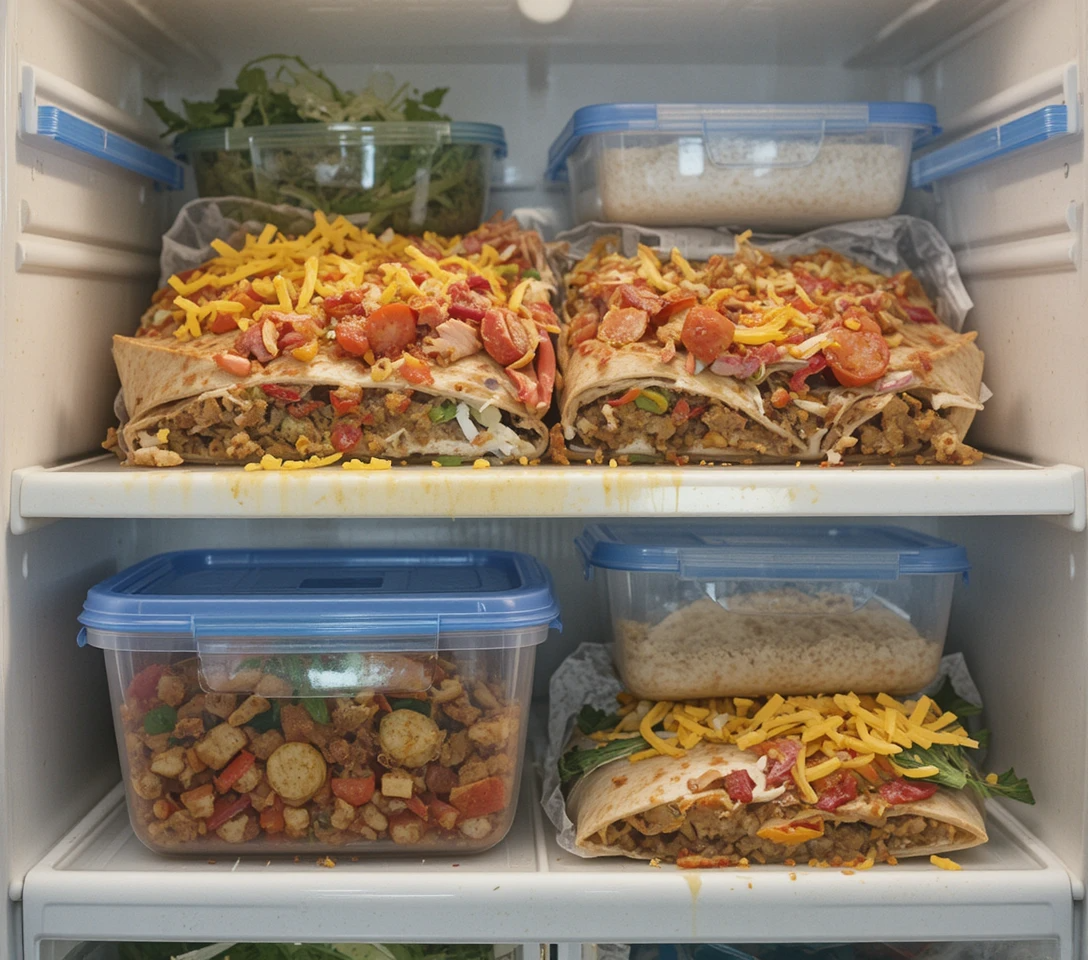
The American Kitchen Reset Smart Ways to Love Your Leftovers
Hey America, Let’s Talk About Your Fridge
We need to have a real talk about what’s happening in American kitchens right now. You know that moment—you open the refrigerator, see last night’s dinner in those familiar containers, and think “Not again.” But what if I told you those leftovers aren’t a problem? They’re actually your secret weapon for easier, cheaper, and less stressful meals?
This isn’t about fancy cooking. This is about real solutions for real American families who are busy, budget-conscious, and tired of throwing away food and money.
The Real Cost of “I Don’t Want Leftovers”
Let’s look at the numbers that matter:
-
The average American family throws away about $1,500 worth of food each year
-
That’s $125 every month going straight into the trash
-
Plus 2-3 hours weekly spent cooking food that won’t get eaten
-
Add another hour dealing with grocery shopping for food you already have but won’t eat
But here’s the good news: fixing this problem doesn’t require cooking classes or expensive ingredients. It just requires a new way of seeing the food you already have.
The 3-Container Solution (Start Tonight)
Here’s What You Need:
3 clear containers (Tupperware, glass, whatever you have)
Here’s What You Do:
-
Container 1: “Eat First” – Food that needs eating in 1-2 days
-
Container 2: “Transform Soon” – Food that needs attention in 3-4 days
-
Container 3: “Freeze It” – Food to save for later
Why This Works:
-
You see what you have (clear containers = no mystery food)
-
You know what needs attention (no more science experiments)
-
You make decisions faster (everything has a place and purpose)
5 American-Approved Transformations (15 Minutes or Less)
Transformation 1: The “Better Than Takeout” Fried Rice
Time: 12 minutes
What you need: Leftover rice + protein + veggies + soy sauce + eggs
How to:
-
Heat oil in pan
-
Scramble 2 eggs, remove
-
Add chopped leftovers, cook 3 minutes
-
Add rice, soy sauce, cook 3 minutes
-
Mix eggs back in
Serves: 2-3 people
Cost: About $1.50 total
Takeout comparison: Saves $15-20
Transformation 2: The “Everyone Cleans Their Plate” Soup
Time: 15 minutes
What you need: Any leftovers + broth + one fresh thing
How to:
-
Put leftovers in pot
-
Add broth (any kind)
-
Simmer 10 minutes
-
Add one fresh thing (herbs, lemon, hot sauce)
Pro tip: Use different broths for different flavors—chicken for comfort, vegetable for light, beef for hearty.
Transformation 3: The “No One Will Know” Quesadilla
Time: 8 minutes
What you need: Tortillas + cheese + leftovers
How to:
-
Chop leftovers small
-
Place in tortilla with cheese
-
Cook in dry pan until golden
-
Cut into wedges
Kid-approved version: Call them “pizza quesadillas”
Transformation 4: The “Clean Out the Fridge” Bowl
Time: 10 minutes
Formula: Grain + Protein + Veggies + Sauce
Assembly line:
-
Heat grain (rice, quinoa, pasta)
-
Add protein (chicken, beef, beans)
-
Add veggies (any kind)
-
Add sauce (ranch, BBQ, Italian)
Why it works: Everyone can make their own how they like it.
Transformation 5: The “Breakfast for Dinner” Frittata
Time: 15 minutes
What you need: Eggs + leftovers + cheese
How to:
-
Whisk 6 eggs
-
Mix in chopped leftovers
-
Pour into hot pan
-
Cook 5 minutes, then broil 2 minutes
Perfect for: That little bit of everything that’s not enough on its own.
The Weekly American Leftover Plan
Sunday (Plan Day):
-
Cook one big thing (roast, casserole, etc.)
-
Make extra intentionally
Monday (Leftover Night):
-
Straight reheating (everyone’s tired anyway)
Tuesday (Transformation Night):
-
Pick one transformation method
-
Give leftovers new life
Wednesday (New Cook Night):
-
Cook something different
-
Make extra intentionally
Thursday (Transformation Night):
-
Transform Wednesday’s meal
Friday (Clean Out Night):
-
Use everything left
-
Often becomes soup or bowls
Saturday (Flex Day):
-
Either eat out or get creative
Money You’ll Actually Save
Monthly Savings Breakdown:
-
Grocery bill reduction: $40-60 (buying less because you use more)
-
Takeout reduction: $30-50 (fewer “I don’t want to cook” nights)
-
Restaurant savings: $20-40 (more meals at home)
-
Total monthly savings: $90-150
What That Buys You:
-
2-3 family movie nights
-
A nice date night
-
Several tanks of gas
-
Part of a car payment
-
The peace of mind of extra savings
Time You’ll Actually Get Back
Weekly Time Savings:
-
Less grocery shopping: 1 hour
-
Less cooking from scratch: 2 hours
-
Less cleanup: 30 minutes
-
Less meal decision stress: 30 minutes
-
Total weekly: 4 hours
What You Can Do With 4 Extra Hours Weekly:
-
Exercise regularly
-
Read that book
-
Family game night
-
Actually relax
-
Pursue a hobby
American Family Tested & Approved
The Johnson Family (Suburban, 2 kids):
Before: “We were throwing away so much food. The guilt was real.”
After: “We save about $100 monthly and actually enjoy ‘leftover nights’ now.”
Favorite transformation: Taco leftovers become taco salad
The Martinez Family (City apartment, busy professionals):
Before: “We ordered takeout 4-5 nights weekly. Expensive and unhealthy.”
After: “We cook twice weekly but eat home-cooked meals 5-6 nights.”
Favorite transformation: Roast chicken becomes multiple meals
The Williams Family (Rural, budget-conscious):
Before: “Our grocery bill was killing us. We wasted so much.”
After: “We cut our food waste by 80% and saved our budget.”
Favorite transformation: Everything becomes soup
Common Questions (Real Answers)
Q: What if my family complains?
A: Don’t call them leftovers. Give them new names. Last night’s chicken becomes “California chicken salad.” Yesterday’s roast becomes “Texas BBQ bowls.”
Q: What if I’m not a good cook?
A: These transformations require minimal cooking—mostly assembly and heating. If you can make a sandwich, you can do these.
Q: What about food safety?
A: Simple rules:
-
1-3 days in fridge = good
-
Looks/smells normal = good
-
Over 4 days or unsure = toss
-
When in doubt, throw it out
Q: What if there’s not enough?
A: Add inexpensive fillers:
-
Rice or pasta
-
Beans or lentils
-
Extra vegetables
-
Bread or tortillas
-
Eggs
The Bigger Picture: Why This Matters
Beyond Your Wallet:
-
Less stress knowing what’s for dinner
-
More creativity in the kitchen
-
Better nutrition eating home-cooked meals
-
Family connection cooking and eating together
-
Environmental good less waste
The American Values Connection:
-
Resourcefulness (making the most of what you have)
-
Practicality (solutions that actually work)
-
Family (meals that bring people together)
-
Independence (less reliance on restaurants/takeout)
-
Thrift (good old-fashioned smart money management)
Your 7-Day Start Plan
Day 1 (Tonight):
-
Open fridge
-
Find one container
-
Try one transformation
-
Note how it goes
Days 2-3:
-
Try another transformation
-
Notice what works/doesn’t
-
Adjust as needed
Days 4-7:
-
Make it part of your routine
-
Involve your family
-
Track your savings
-
Celebrate small wins
The Truth About American Kitchens
We’ve been sold a lie that good cooking means starting from scratch every night. That beautiful meals require hours of work. That leftovers are punishment.
The truth is simpler and more powerful: Good cooking often means smart reimagining. Beautiful meals can come from yesterday’s dinner. Leftovers aren’t punishment—they’re opportunity.
The most American thing you can do in your kitchen isn’t cooking a perfect steak or baking apple pie.
Here’s all you need to do:
-
Open your refrigerator
-
Find one container that needs attention
-
Pick one transformation from this article
-
Spend 15 minutes making it new
-
Notice how it feels to create instead of reheat
That’s it. One container. One transformation. One step toward a kitchen that works for you instead of against you.
The food is already cooked. The money is already spent. The time is already invested. All that’s left is to give it a second chance—and maybe discover that second chances often taste even better than the first.
Your kitchen, your rules. Your food, your transformation. Start tonight.