The First Whiff The First Crunch Where Your Dog’s True Meal Begins
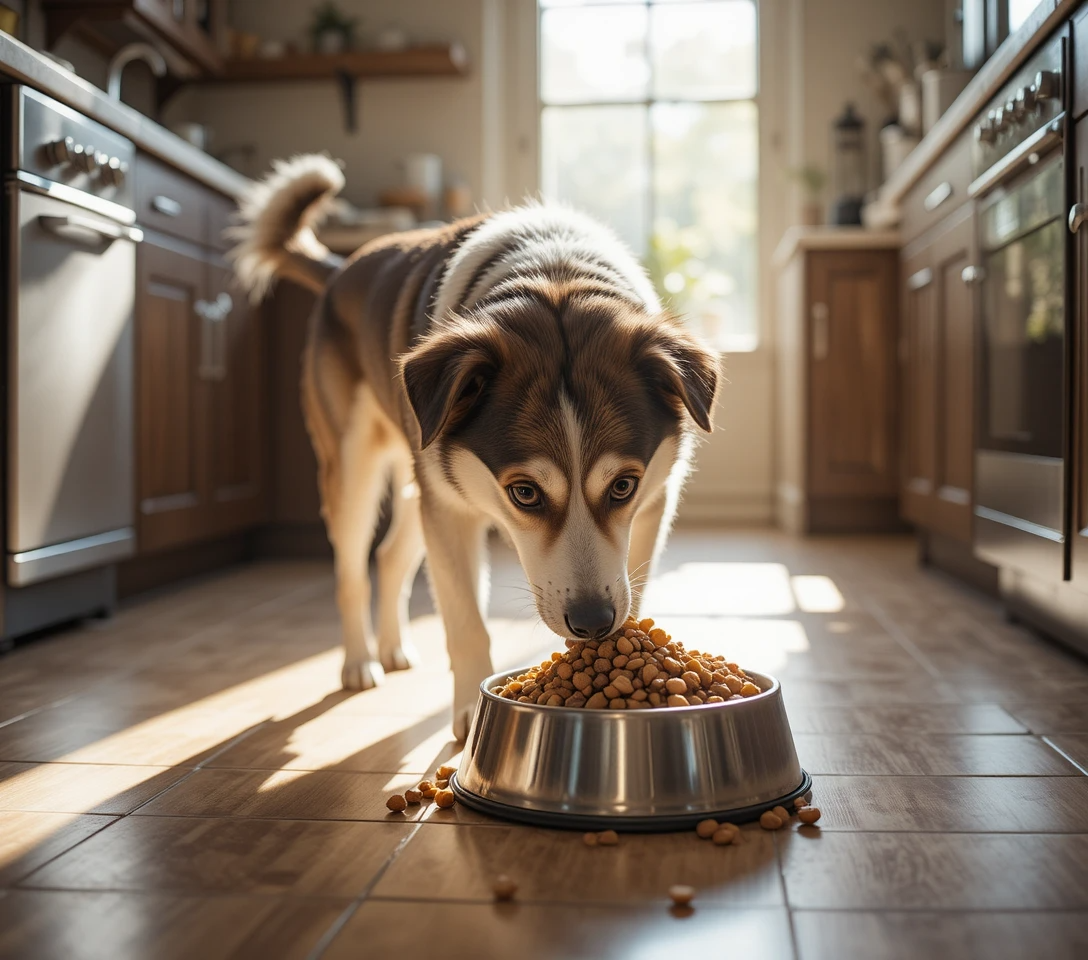
You’re holding a bowl of kibble in a sunlit kitchen. Around you, life hums—emails ping, a kettle whistles. But at your feet, the world narrows to a single point: the soft, impatient tap of a tail on tile. You don’t pour the food yet. You pause. This pause—this quiet, intentional space between decision and donation—is where your dog’s true meal begins. It’s not on any ingredient list, but it’s the most vital nutrient.
This is the Ritual of Offering, and for your dog, it’s treated with the reverence of a sacred act.
The Unseen Preparation
Before the first piece of kibble hits the bowl, the stage is set. It’s in the ritual of the scoop—the sound of dry food cascading from bag to metal canister. It’s the running tap as you rinse and refill the water bowl, ensuring it’s fresh and full. The bowl is placed not just anywhere, but in their spot, the place of safety and routine. This isn’t just filling a dish; it’s setting an intention. It’s a silent promise: What happens here matters. You matter.
The ritual peaks with the call. It might be a word—“Dinner!”—or the simple, familiar shake of the food bin. When sounded, the household often stills for them. Their ears prick. Their playful chaos softens into focused anticipation. It’s a collective deep breath before the plunge. In that second, you’re not just dispensing calories—you’re enacting the ancient covenant of provider and pack. You’re preparing to deliver care.
The First Bite as Communion
Now comes the core ritual: the first taste.
For a dog, the first bite of any meal is not taken—it is granted. There’s a deliberate ceremony. They might not dig in immediately. First, the nose plunges deep into the bowl for a full sensory audit. The inhale is long, analytical—decoding the notes of roasted chicken, the hint of omega-rich oil, the earthy tone of sweet potato.
Then, the first crunch. It’s a sound of profound satisfaction, crisp and clear in the quiet kitchen. This is where your care becomes physical for them. They’re not just eating; they’re receiving your effort. The careful research you did on ingredients, the choice you made for their health, the love that filled the scoop—it all lands in their consciousness at once. Every crunch after is sustenance, but the first is the thesis statement of your bond.
A renowned veterinarian once told me: “We formulate for lifelong vitality, but the dog eats for the joy of this moment.” We aren’t just balancing nutrients; we are engineering trust, meant to be reaffirmed with every single meal.
The Science of the Sniff
This ritual isn’t just sentiment; it’s rooted in their biology. A dog’s sense of smell is their primary interface with the world. That deep, investigative sniff before eating forces mindfulness—canine mindfulness. It assesses safety, freshness, and palatability. It triggers salivary enzymes and digestive juices, preparing their body to receive nourishment optimally. They’re not just eating food; they’re reading a story written in scent.
This is why a simple bowl of well-chosen food can mean transcendence for them. That first deliberate sniff after the ritual of preparation isn’t just checking for dinner—it’s an event. The farmer who grew the grains, the nutritionist who balanced the minerals, your own hand that placed it before them—it all arrives in their awareness at once. They don’t just consume it; they recognize it as yours.
A Ritual for Modern Life
What makes this practice profound is its radical simplicity. You don’t need a chef or a raw food subscription to practice it.
Try it at the next meal.
Don’t just dump and walk away. Be present. Feel the weight of the food in the scoop. Listen to the sound it makes. Watch them in that moment of pure, focused anticipation. Then, as they eat, observe the calm, rhythmic crunching. That’s the ritual. You’ve just transformed a daily chore into a moment of connection.
In our world of endless distraction, this is the ultimate rebellion: to declare that this bowl, this sniff, this single crunch is the only thing in the universe for these next two minutes. The phone can wait. The to-do list can pass. Nothing is more urgent than honoring this ancient, silent conversation.
The Lasting Nourishment
The beauty of this ritual is its afterglow. When they finish a meal this way, they don’t just wander off. They often sigh—a deep, contented exhalation. They might come to you, press a warm head against your knee, their body soft with satisfaction. The Japanese might call this yutori—a feeling of spacious, unhurried contentment. Full, but not stuffed. Nourished, in body and in bond.
This is the real gift of the ritual. It teaches that love isn’t always something you say. It’s something you provide, scoop by scoop, in the simple, profound act of feeding as if every meal is a fresh affirmation of your promise to them.
So tonight, before you fill the bowl, pause. Prepare their space with intention. Feel the gratitude for their companionship, even silently. And as they take that first, grateful crunch, witness it completely. The ritual doesn’t make the food more expensive. It makes you more present. And in that subtle shift, an entire world of devotion—and peace—opens up. For both of you.